Book review – Opening The Box of Delights by Philip W. Errington (Herne Books)

This is very much the time of year when the wolves begin running again. And in that case, all you can do is reach for The Box of Delights in one of its many iterations. For me, that tends to be either John Masefield’s novel (published in 1935) or the 1984 BBC television adaptation.

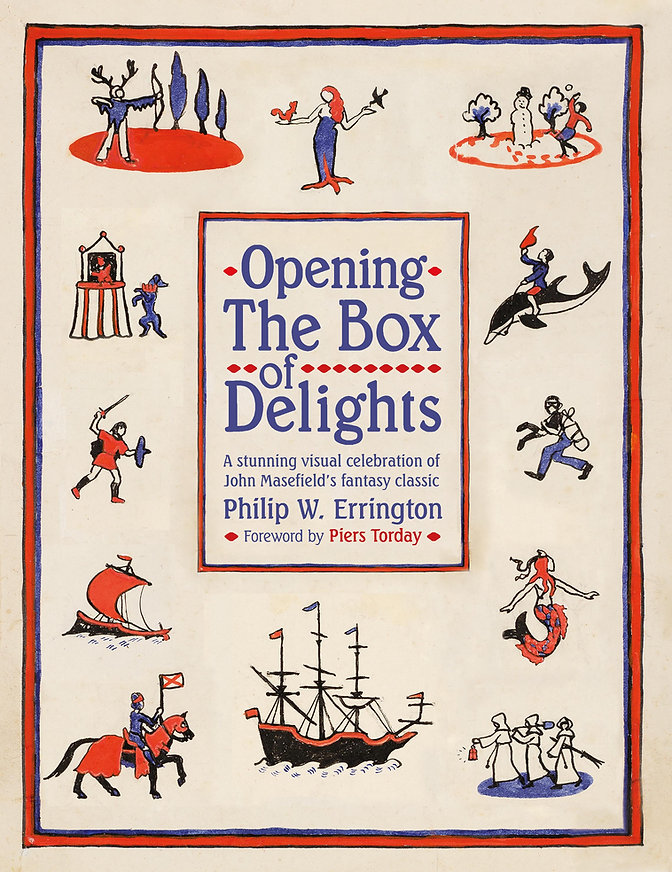
And when revisiting the Box, there can be no finer companion than Opening The Box of Delights by Philip W. Errington. Originally published in 2020 and revised and republished in both 2024 and 2025, it’s a handsome hardback, running to 160 pages, which is packed with all the information you could ever need.

The book is divided into six main sections. Firstly, there’s a brief look at the life and times of John Masefield. His journey from a penniless vagrant and struggling writer in America to his return to England (where he would be made Poet Laurette in 1930) is very effectively sketched out. Certainly, this information has whetted my appetite to explore a full biography of Masefield sometime in the future.

The second section looks at the writing and publication of the story (highlights include a ‘lost’ fragment which never made it to print). The third part details the work of four illustrators (the first being Judith Masefield, John Masefield’s oldest child). Section four examines the story’s main characters while the penultimate part teases out information on a variety of subjects – from card tricks and Seekings House to Possets (a ‘good thing’).

The final part of the book dives into the numerous adaptations of the Box. From radio (I confess I wasn’t aware that so many radio versions had been made) to the stage and onwards to the 1984 television adaptation. And as happened multiple times during the book, I kept stumbling across things I never knew before (from detail about the abandoned feature film production to the Box of Delights podcast, which is something I’ve bookmarked to investigate further).

Errington concludes by summing up John Masefield’s reputation and legacy and this is followed with a reproduction of the rehearsal script of episode one of Alan Seymour’s 1984 television adaptation. I’m always happy to browse through scripts, especially when you can pick out moments in the script that differ from the eventual television version.

Opening The Box of Delights is a very dippable book – each chapter lasts just two pages and deals with a specific topic, so you have the choice to either read from cover to cover or simply dive in at random to find something of interest. Visually it’s a treat with so many items that catch the eye (such as photos, manuscripts and letters) on just about every page. And Philip W. Errington is the perfect companion – both knowledgeable and engaging.

It’s a cliché (but true nonetheless) that Opening The Box of Delights would make an ideal Christmas (or post-Christmas) present. If you love The Box of Delights in any of its numerous versions, then I don’t think you’ll be disappointed at all and so it comes highly recommended.

Opening The Box of Delights is published by Herne Books and retails at £20.00. It can be ordered via this link.

Forthcoming archive treats on BBC Four

As always, sandwiched in-between the umpteenth re-runs, BBC Four always manage to dig a little deeper to unearth some items of interest. Here’s a few that have caught my eye.

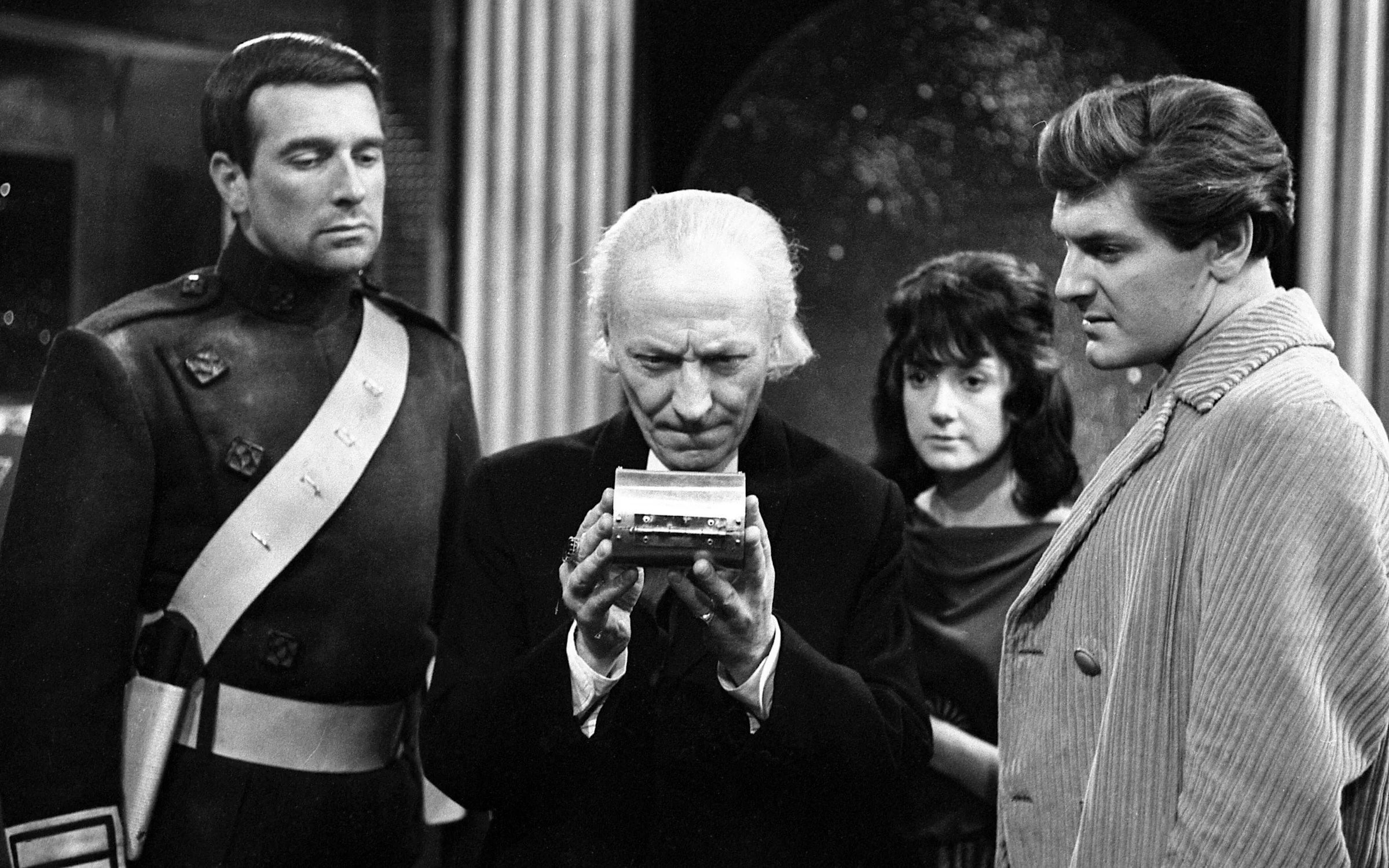
Play of the Week – Fairies (tx 27th September 1982) has already aired earlier in the week (and will be seen again on 9/3/25, at 00:45). The story of Sir Arthur Conan Doyle’s championing of the Cottingley fairies, it’s well worth an hour or so of your time. James Grout plays Conan Doyle with the likes of Hugh Burden and Charles Kay in support. Linda Searle and Helen Fraser play the two young sisters who manage to hoodwink Conan Doyle.

An edition of Arena is broadcast on Monday (10th March, at 21:55). Originally broadcast in September 1980, it profiles the work of two young playwrights – Andrea Dunbar and Victoria Wood.

The first two episodes of The Fall and Rise of Reginald Perrin are on Tuesday the 10th, from 20.00. We’ll have to wait and see whether this marks the beginning of a re-run of all three series.

On Wednesday the 12th (23.00) there’s a chance to see the 1982 BBC Schools production of An Inspector Calls. Given the running time (80 minutes) the text is slightly cut, but otherwise it’s a very faithful adaptation of the source material (which is understandable, since it was designed primarily as a teaching aide – although it’s also a cracking drama in its own right). The always immaculate Bernard Hepton heads the cast as Inspector Goole.

Thursday the 13th (21:45) sees a documentary about Len Deighton (The Truth About Len Deighton) receive its first airing since 2007.

And to round off the week, there’s another rare edition of Parkinson, this one features Dave Allen (as well as Toyah Wilcox and Peter Skellern).

Book review – Reaching A Verdict: Reviewing The Bill 1993-1994

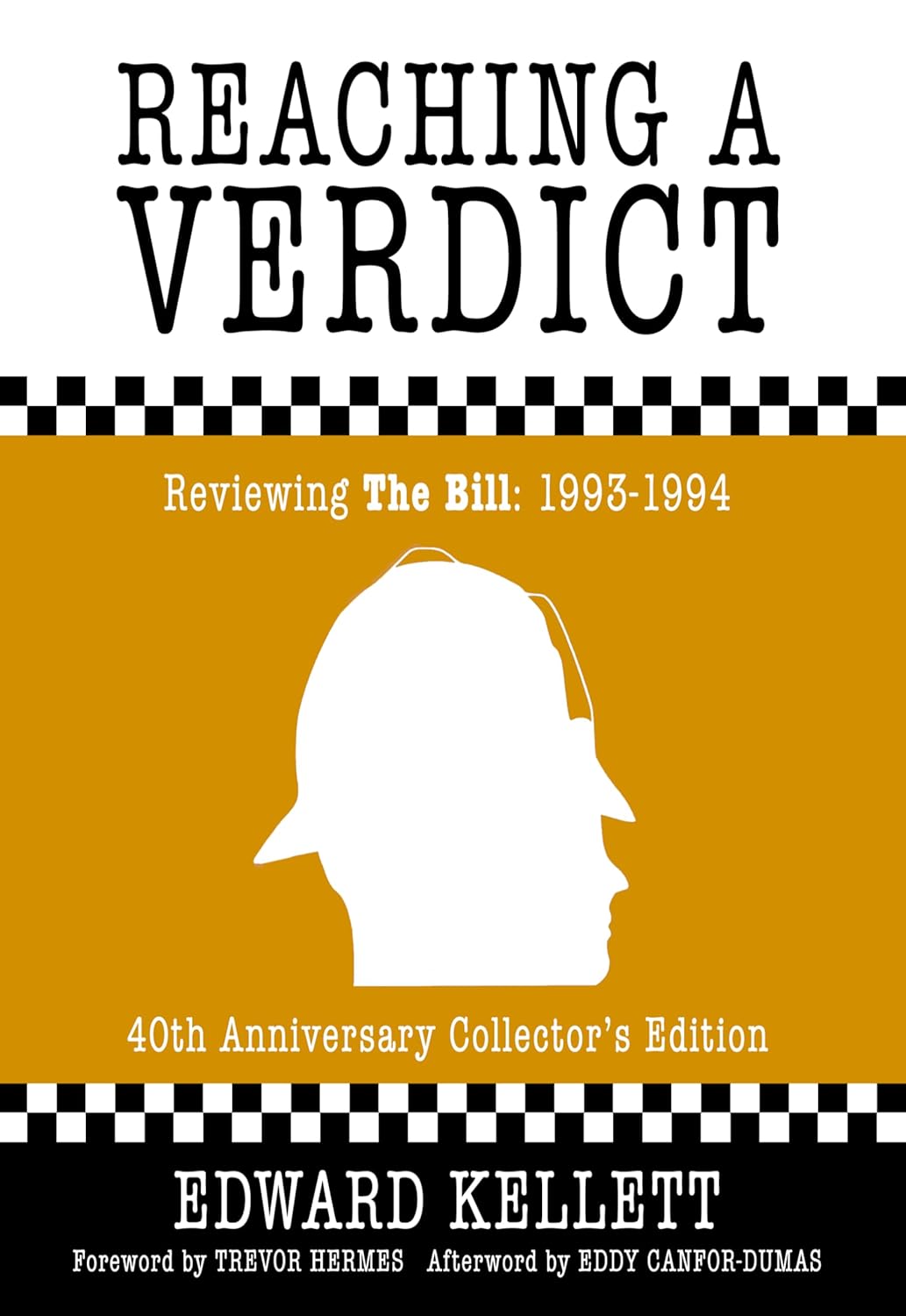
The third book in Edward Kellett’s series, we’ve now reached 1993 and 1994 – a period of change for The Bill as a third weekly episode was added to the schedule. As with the previous volumes, each of the two sections (dedicated to 1993 and 1994) begin by highlighting a number of key episodes (which are ideal picks for anyone keen to sample the programme, but who might balk at watching all 156 episodes from any given year).

Since it would be impractical to review every episode, instead Kellett uses his selected episodes to analyse certain themes and characters – this way he’s able to touch upon many episodes (with the result – as with his previous books – that I found myself breaking off from reading in order to rewatch some of the installments mentioned).

Chief Inspector Cato (the Bald-Headed Bastard from Barton Street) debuted at the beginning of 1993 (New Tune, Old Fiddle by J.C. Wilsher). A character tailor-made to put everybody’s back up, he certainly didn’t disappoint on that score, and some of his greatest hits are faithfully reported. Plenty of dialogue quotes help to give a flavour of the scripts under review, such as Brownlow’s nonplussed “I spoke to Cato this morning… To be quite honest with you I’m not sure there’s anybody at home.”

Although some characters would remain ever present, as ever with a series like The Bill, there would be a regular turnover as old faces departed and newcomers arrived. As described by Kellett, the sudden exit of Ted Roach left a void that was difficult to fill.

Throughout the show’s first decade, Ted’s character arc is its greatest driving force: a remarkable achievement for a series of self-contained stories where no one person is bigger than the ensemble. As noted in Volume 1, on paper he should be a walking cliché, the hard-drinking ladies’ man who doesn’t play by the rules. But The Bill was always adept at showing the messy edges of life, where the image people have of themselves breaks down.

An interesting section of this volume of Reaching A Verdict concerns the decision to go thrice weekly. For some it was a controversial move and marked the end of an era. The programme might have remained a key ITV staple until 2010, but the increase in episodes meant that new writers were needed (with the knock-on effect that the distinct ‘voices’ of the small core group of writers who had guided the series to date would inevitably be diluted).

Kellett’s view (“the amount of quality material is the same – but mingled with more filler, therefore less connected, and less impactful”) is a fair one. By this point in the series’ history, The Bill had tended to eschew running themes (with most episodes existing as as self-contained 25 minute plays). This sort of format has positives and negatives of course – it does mean that today you can dip into individual episodes from this era and not feel that you’re only getting half of the story. And I certainly prefer this style of storytelling to the later, extensive story arcs which seemed to feature rogue and pyscho killer police officers on a regular basis ….
The increased workload seemed to affect a number of actors, most notably Christopher Ellison. Burnside’s abrupt departure is succinctly described by Kellett (“the result is that he is bundled through the exit with indecent, not to say absurd haste”). It’s certainly a destablising time for the programme, with the short-lived DI Harry Haines (Gary Whelan) “parachuted in to fill a Burnside-shaped hole”.

This third book closes with an overview of P.J. Hammond’s contribution to the series during 1993 and 1994. Kellett observes that “it’s not oversight that has kept Hammond’s work out of these pages for so long, but the simple fact that it’s impossible to place in context with anyone else’s”. Indeed, even though the series had become a little bit like a sausage factory, with new episodes appearing one after the other, it was good to see Hammond ever-present with a selection of tales that could frequently be odd, macabre and disturbing, His scripts for The Bill (just like his efforts on the likes of Z Cars and Angels) certainly stands out as the work of a unique talent.

As touched upon before, I can’t think of any higher praise for a book of this type than that it’s frequently made me return to the series under discussion. Reaching A Verdict: Reviewing The Bill 1993-1994 is the third volume in an impressive series that is highly recommended for all fans of The Bill or, indeed, anyone with an interest in British television drama from this era.

Reaching A Verdict: Reviewing The Bill 1993-1994 is available now from Devonfire Books and can be ordered via this link.

The Bill – Episode 6.63 – Attitudes (7th August 1990)

Written by Arthur McKenzie, Directed by Richard Holthouse

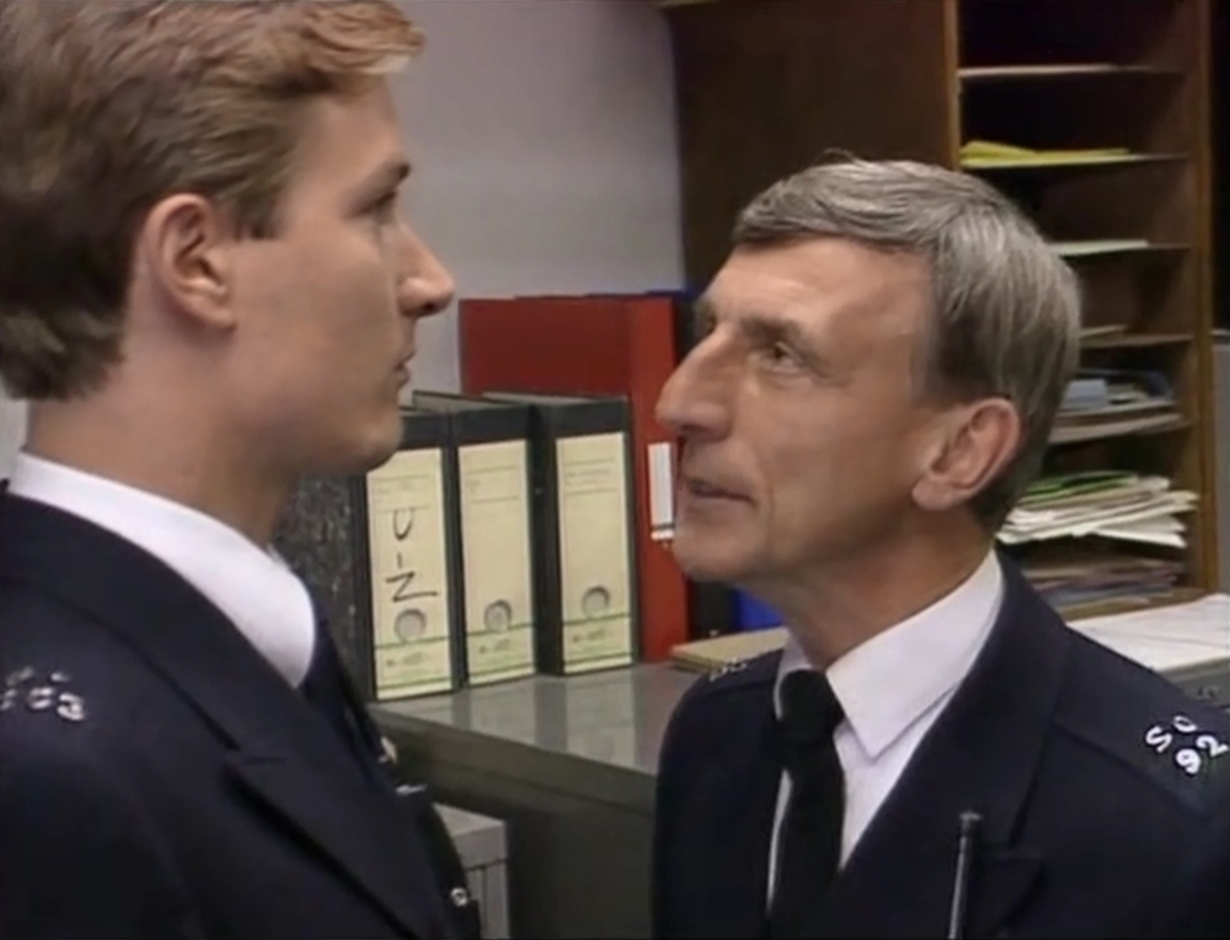
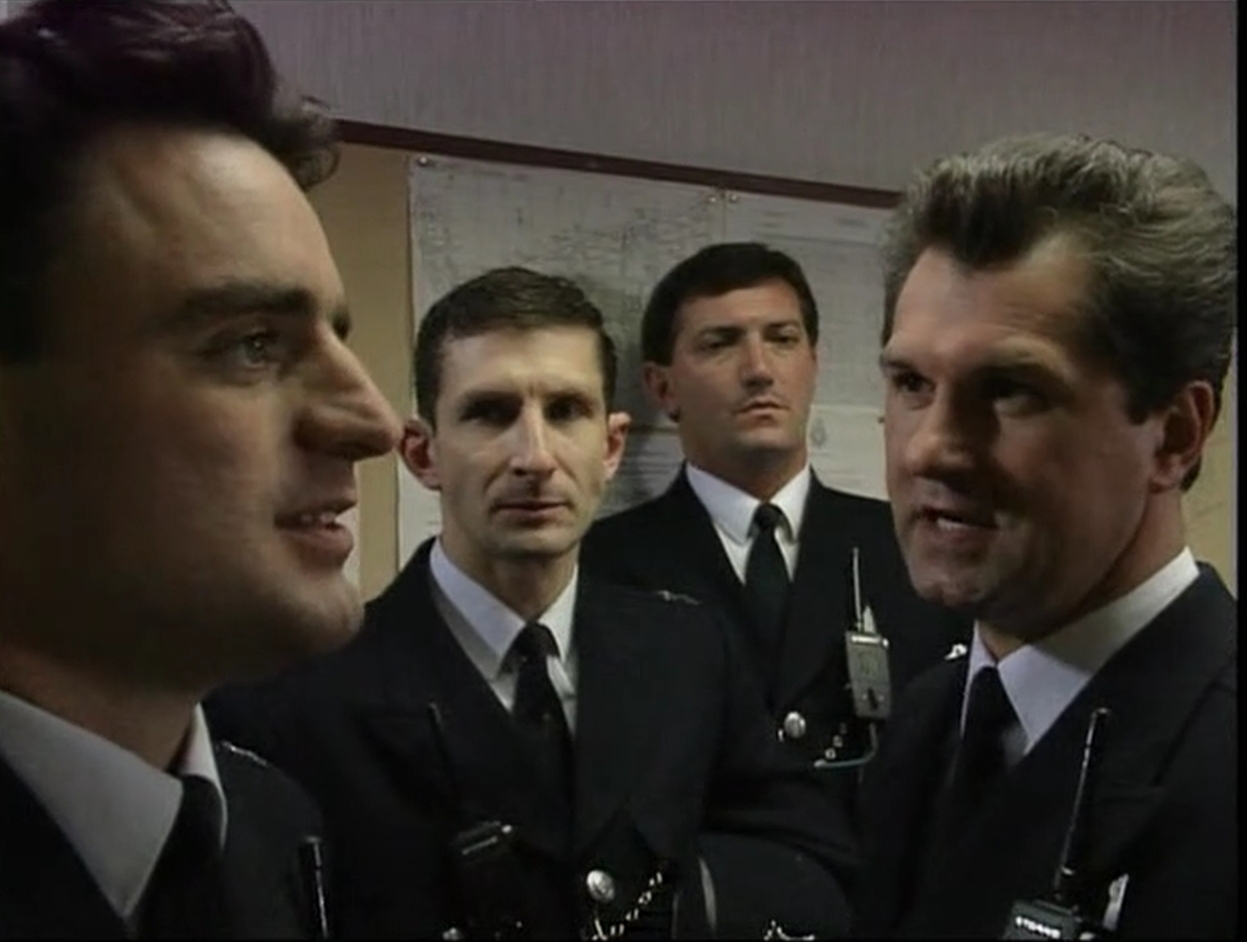
Knowing PC Young’s eventual fate, it’s difficult not to look back at any episodes which featured him strongly with a keen eye to see how his character was developed. Even this early on it looks like the essential building blocks were in place – Young is keen to be a member of the team, but seems destined to always be something of an outsider (tolerated at best by the others).

The episode opens chummily enough, with Young, Loxton, Stamp and Garfield playing cards. But Young’s decision to pocket his winnings and walk away without giving the others a chance to win their money back creates a sour mood. So Stamp and Garfield, working today in CAD, elect to send Young on every tedious job they can find (Loxton, pounding another beat, heartily approves of this).

If Stamp and Garfield’s animus towards Young seems fairly light-hearted, then the same can’t be said of Loxton. Indeed, Attitudes enables the viewer to see how two very different coppers – Loxton and Young – operate. Loxton is obnoxious throughout (this tone is established straight away – he seems amused when handing out a summons for a fairly minor parking offence. Others might have let the man off with a warning, but Loxton seems to enjoy this feeling of petty power).

Young has to deal with the trauma of discovering a dead body (albeit an old man who died peacefully in bed). Luckily by this point he’s joined by Bob Cryer – the safest pair of hands imaginable – who walks the younger man through every stage and is patient throughout.

Bob does later give Young a talking-to (telling him to never play cards on his relief again) but that’s nothing to the both barrels he aims in Loxton’s direction. Loxton seems pretty unaffected after Cryer’s had his say though, so only time will tell if he settles down. At the moment, Loxton very much occupies the “bad boy” place in the relief previously held by the likes of Litten and Ramsey.

Throw in a comic subplot concerning June’s well meaning attempt to look after Cryer’s flowers (an anniversary present for his wife) which ends in disaster when she accidently places them in a bucket of bleach rather than water, and you’ve got one of the strongest episodes from this period.

Guest-star wise, there’s a brief appearance by Liz Gebhardt (Please Sir!, The Fenn Street Gang) as a distraught motorist who knocks over and fatally injures a dog. Young has to put the suffering canine out of his misery, which is another indication that he’s having a far from perfect day.

The Bill – 6.62 – Come Fly With Me (2nd August 1990)

Written by Peter Gibbs, Directed by Michael Kerrigan

Cruising down the street, Ackland and Stamp notice a considerable disturbance outside a travel agency. This becomes the main theme of the episode although the secondary storyline (Stringer and Marshall attempting to locate an illegal immigrant) is also given a fair amount of screen-time.

Although the travel agency story has its serious side (the dead body of one of the partners is discovered in the upstairs office) there’s also a comic side at play since Tony (like all the disgruntled punters milling outside) booked his holiday here and now that the company’s gone bust has lost both his money and his holiday ….

He’s hopeful that this news won’t get out, as he’s only too aware of the mickey-taking he’ll have to endure if it does. Hmm, I wonder how that’ll work out for him?

Holidays seem to be a theme today, as Hollis is keen to book some time off to spend it with a “girl-friend, well woman-friend. She’s going on a cruise and wants me to join her, all expenses paid”. The mind boggles at this, but – alas – Cryer turns the request down. Undaunted, he later returns – keen to take Tony’s place on the holiday rota (after all, he reasons, Tony won’t be needing it now). And he’s not the only one to express an interest in Tony’s holiday allocation ….

Both storylines click along quite nicely, without either really engaging that much. However, it was nice to see a brief appearance by Tariq Yunis, whose television credits (the likes of House of Cards, Angels, Shoestring, Terry & June, Dick Emery, The Professionals, Doctor Who, Father Brown) were numerous and varied.

The Bill – Episode 6.61 – Feeling Brave (31st July 1990)

Written by John Milne, Directed by Richard Holthouse

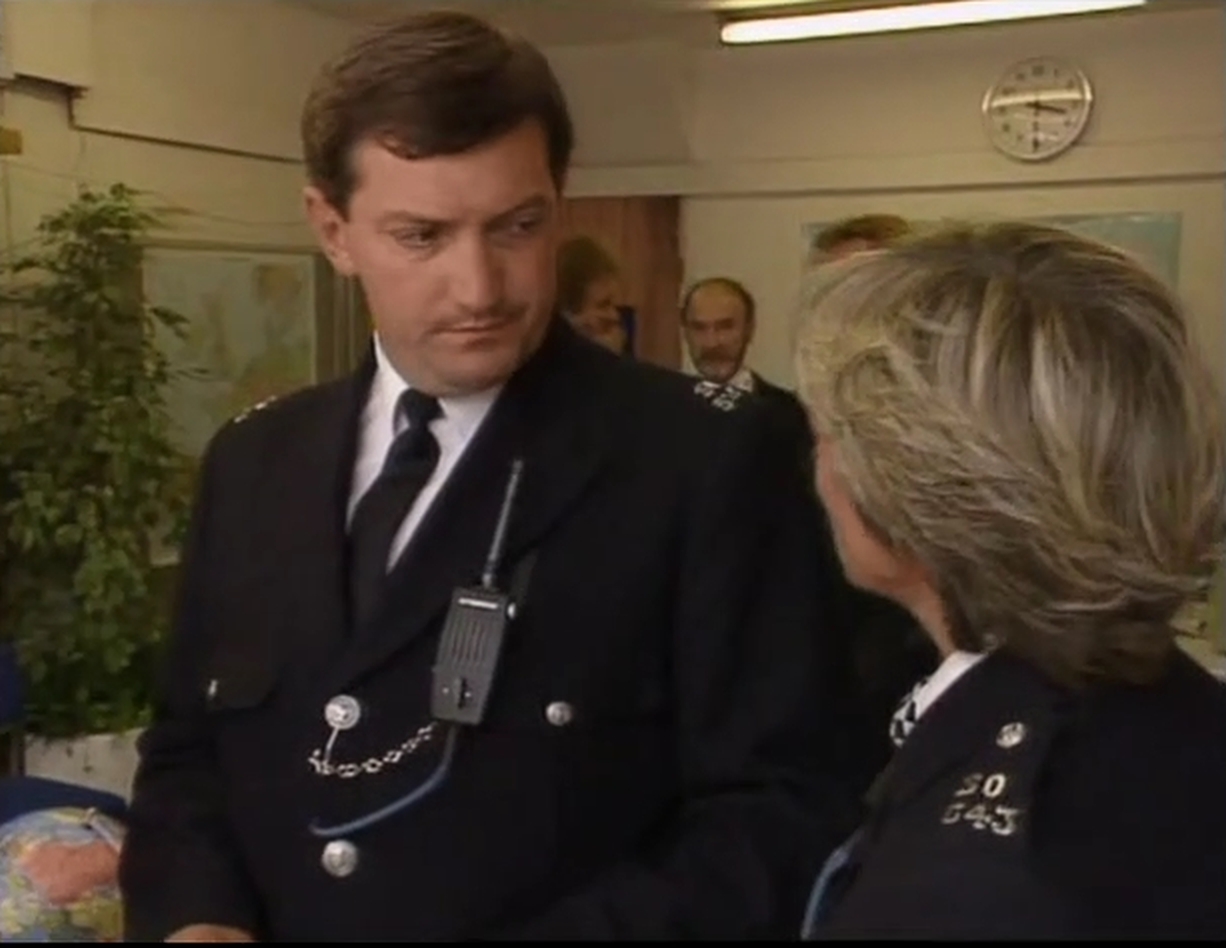
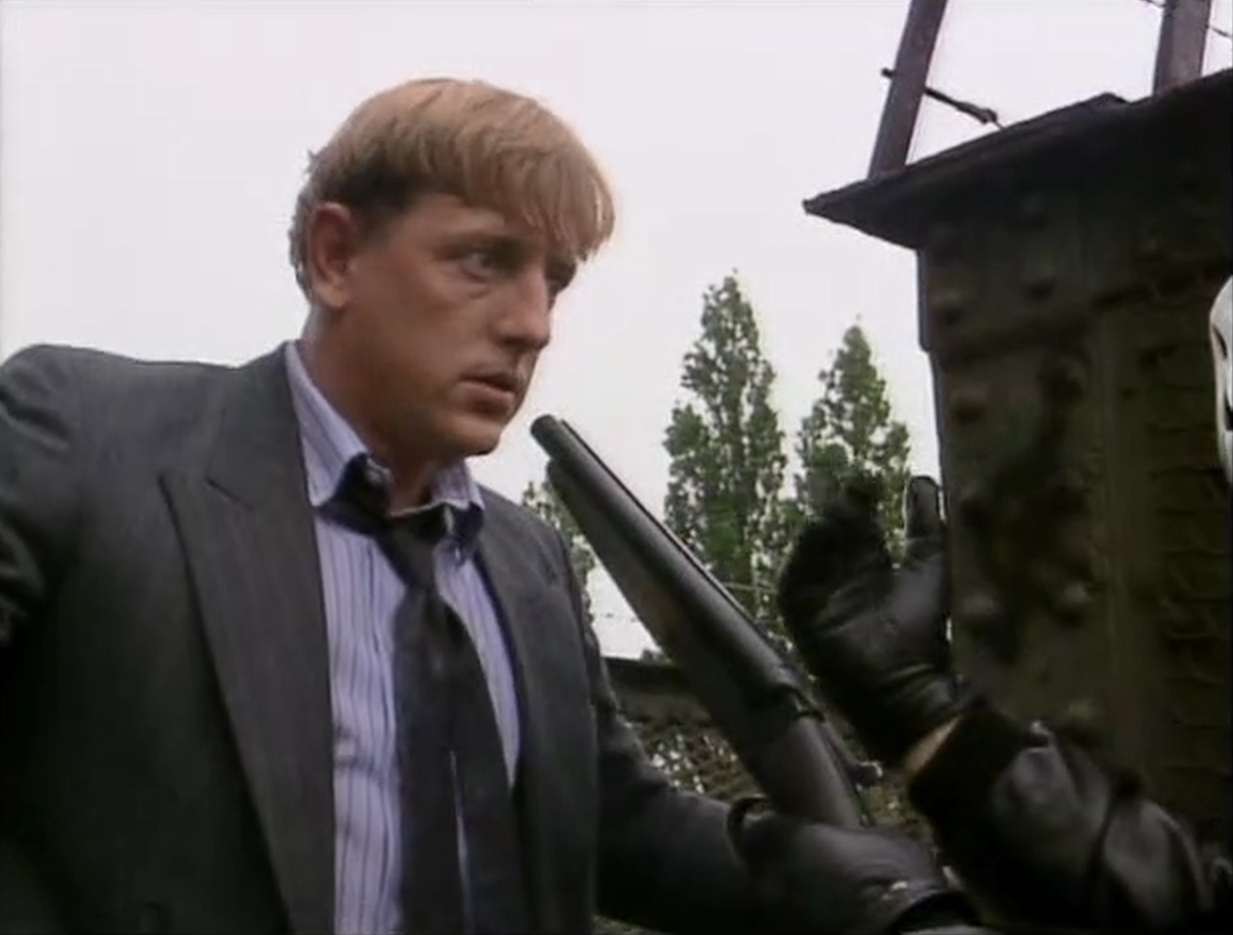
Carver, Stamp and Quinnan are en route to arrest Daniel King (a builder accused of GBH). But they never get there, as they spot an early morning robbery taking place at a post office. Carver and Stamp give chase on foot but it doesn’t end well – Carver is confronted by a pair of shotgun-wielding thugs who ask him if he’s “feeling brave?”

As they run away, Carver is left more than a little shaken and stirred and he doesn’t lose this feeling for some time. It’s most pronounced when he later confronts the manager of the post office – Keith Yale (Tony Salaman) – who was clearly in cahoots with the robbers. Carver doesn’t actually lay a finger on him, but yelling at Yale seems to give him a cathartic release. “Your mates almost blew my spine away this morning, even before I’d had breakfast”.

Another post office worker – Mr Costas (Dimitri Andreas) – is also in the frame for a while. Andreas is a familiar television face (he’d shortly become a semi-regular in London’s Burning). Also more than familiar is Shirin Taylor as Mrs Costas. She was just a matter of weeks away from beginning her stint on Coronation Street but had already clocked up appearances in multiple series over the last decade or so.

Taylor had been eaten by a rock in the Doctor Who story The Stones of Blood, for example. She also made multiple appearances in the forgotten Carla Lane sitcom I Woke Up One Morning, which really deserves to be a little better known than it is. Maybe one day it’ll receive the BBC4 repeat treatment.

Eventually the robbers are rounded up and Jim is provided with closure (unsurprisingly he asks them if they’re “feeling brave” as he lays into them). This is a neat, if obvious, way to close out the episode. One point that strikes me when rewatching this one is that I can’t decide whether Stamp and Carver were brave or foolhardy to give chase. Surely the possibility that the robbers were armed would have crossed their minds? So if you’ve got nothing more than a truncheon in your hand, perhaps it would have been better to wait for backup.

Elsewhere, the B plot of Daniel King is put into the (capable?) hands of Hollis and Garfield. Unfortunately, although Hollis is at the front and Garfield is at the back of the house, they don’t spot King sneaking out a window in the side of the house until it’s too late!

D.S. Roach: What happened to that GBH that Carver was sent out to nick? Did Hollis and Garfield go over there?
Sgt. Cryer: They missed him, he jumped through a window.
D.S. Roach: Oh dear, I thought Hollis only had that effect on women.

The Bill – Episode 6.60 – Watch My Lips (26th July 1990)

Written by Patrick Harkin, Directed by Julian Aymes

Watch My Lips is that rarest of beasts – a story where WPC Ford (Vicki Gee-Dare) takes centre stage. The Private Sponge of Sun Hill, Ford is someone who from time to time would haunt the periphery of stories (occasionally being gifted a line or two). Gee-Dare’s earliest Bill appearance was as far back as 1.2 (A Friend In Need) although she wouldn’t be credited until 4.17 (Runaround). In total she clocked up 87 episodes between 1984 and 1992 (so not really a regular, but certainly a familiar face).

Jim Carver spots a suspicious figure lurking by a cashpoint. He gives chase, but the man doesn’t respond to his repeated shouts. The man reacts with sudden violence when Jim finally catches up with him and a chase ensues. Caught and brought into custody, the man – identified as James Doyle – remains uncommunicative until Penny works it out. He is profoundly deaf …

Ford’s skills with sign language are therefore key to the episode, as she slowly wins Doyle’s trust. As she later explains to Carver, the deaf community aren’t a breed apart (“you get really nice deaf people and some real villains. They eat, sleep, work and live just like you and me”). So maybe a lesson is learned today – although there’s an ironic twist in the tale at the end which not only pleases Carver, but proves Ford’s point.

Since Vicki Gee-Dare would later use her sign language skills on films such as Four Weddings and a Funeral (acting as a consultant) this presumably was a skill she already had prior to the episode. If so, then it’s nice to see that the programme makers fashioned this story around her ability.

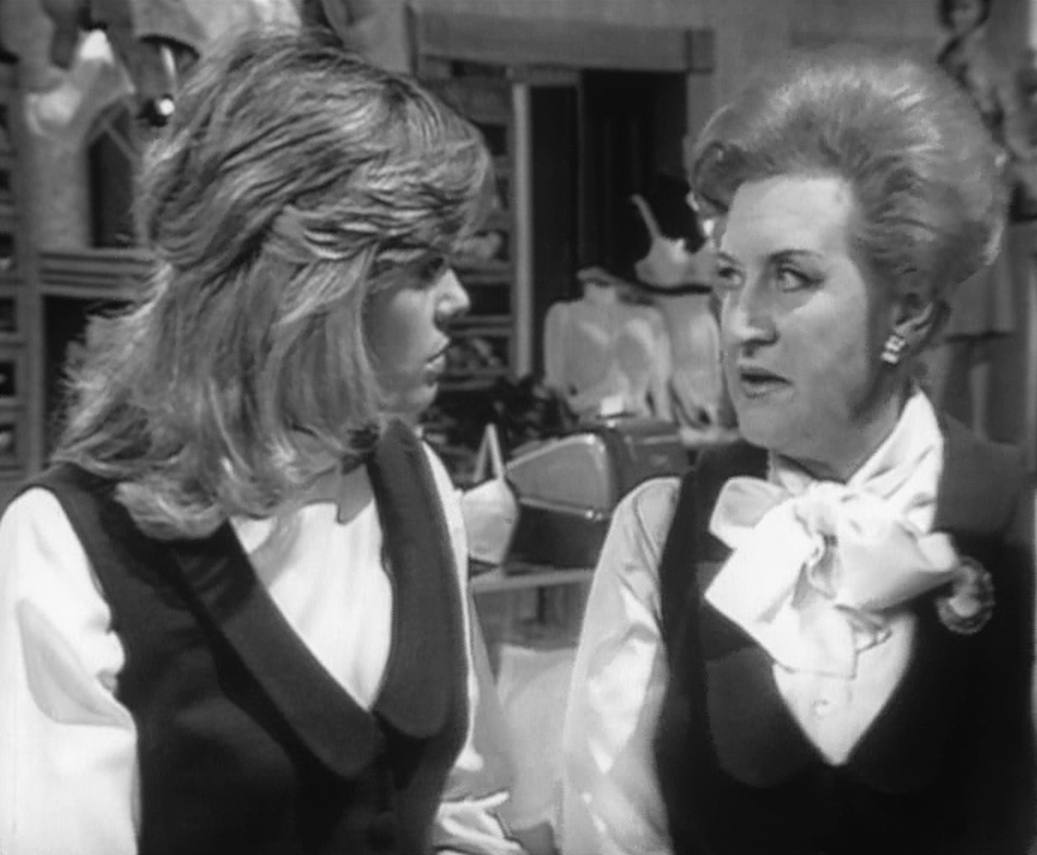
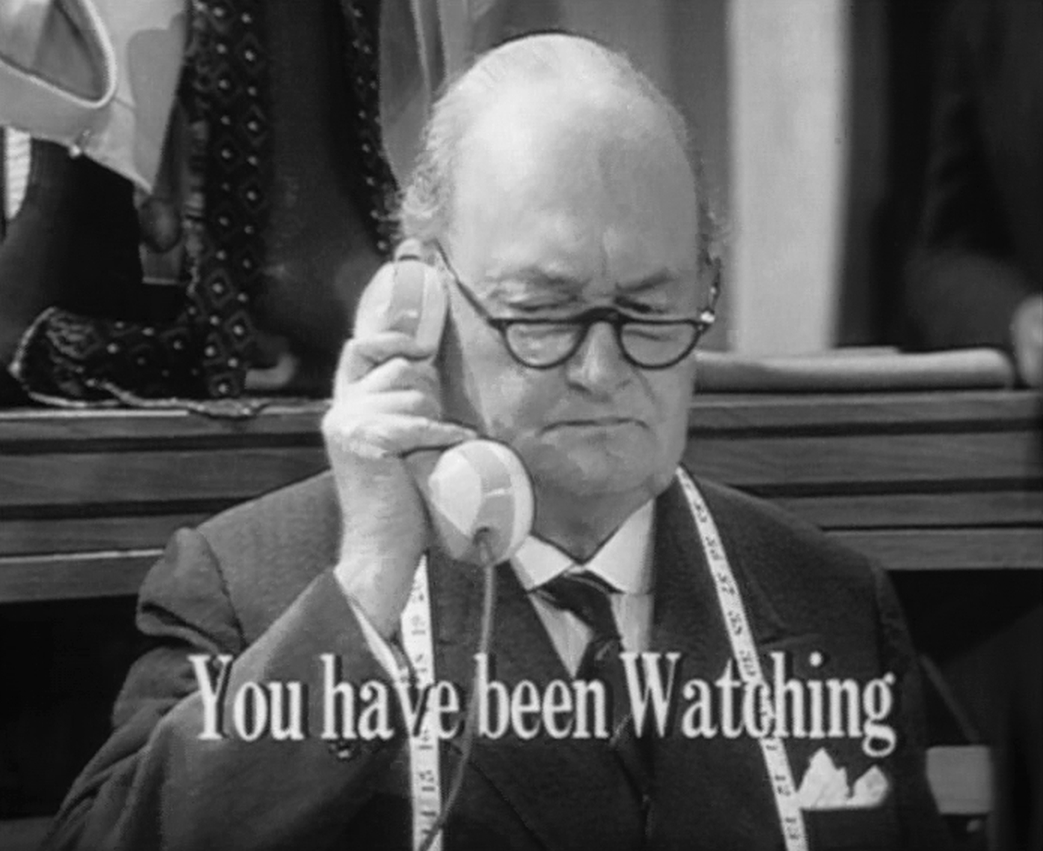
Are You Being Served? and the Munich Olympics

One fact everybody knows about the Comedy Playhouse broadcast of Are You Being Served? in September 1972 is that it was hastily parachuted into the BBC schedules after the massacre at the Munich Olympics created large programming gaps.

Speaking in the AYBS? edition of Comedy Connections (tx 23rd June 2003), co-writer Jeremy Lloyd confirms this, stating that “they then had a terrible disaster at the Olympic Games … where there was a terrible tragedy and they suddenly had blank screens and they needed something and somebody reached for the nearest show, basically. Which turned out to be Are You Being Served?

But was that actually the case?

The massacre took place during the evening of the 5th and the early morning of the 6th of September. The Games were suspended for 24 hours before resuming, so by the 8th of September (when Are You Being Served? was broadcast) full coverage was back on.

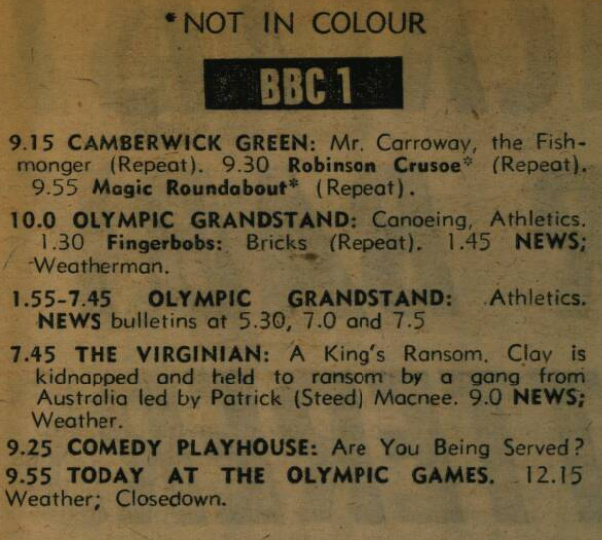
Looking at the Radio Times listing on BBC Genome, there’s no mention of Are You Being Served? But daily newspapers (such as this example from the Mirror) show it occupying the 9.25 pm timeslot –


This matches very closely to the Radio Times listing (which was obviously produced before the terrorist incident) with the only change being the insertion of AYBS? In the RT, Today at the Olympic Games began at 9.25 pm.

It’s true that Today at the Olympic Games in the RT lasted an hour longer, but if the broadcast programme was curtailed (finishing around midnight instead of an hour later) there’s still no reason to have bulked out the schedule with AYBS? (as a midnight closedown would hardly have been unusual).

The Daily Mirror listing for the 9th is similar to the level of coverage provided by the BBC for the rest of the Olympics – they would start in the morning and continue until the early evening (say around 7.00 pm when regular programmes would take over). Any evening action not broadcast live would no doubt have been included in the lengthy highlights show later on.

According to Nicholas Smith (speaking in the Comedy Connections doco) AYBS? should have been broadcast in the Comedy Playhouse series which aired at the start of 1972, but the BBC so disliked the programme that they shelved it. So maybe the BBC decided to fling out AYBS? later in the year, hoping it would get lost in the Olympic hubbub. If that was the case, then it didn’t work as the show ended up 8th in that week’s television chart, with some 13 million viewers.

The last-minute scheduling of AYBS? remains a bit of a mystery, but the oft-repeated claim that it was required to fill a gap in the schedule caused by terrorism at the Munich Olympics seems to be nothing more than a myth.

The Bill – Episode 6:59 – Angles (24th July 1990)

Written by Arthur Mackenzie, Directed by Roger Tucker

Bag thefts from cars are becoming more and more of a problem. Brownlow wants results, but he’s not prepared to authorise any overtime. This is the cue for a highly entertaining face-off between Burnside and Monroe (an implacable force meeting an immovable object).

Despite being a relative newcomer to the relief (having joined earlier in the year) Monroe isn’t at all cowed by Burnside. Fair to say on this evidence they’re never going to be the best of friends …

The clash between the rule-bending Burnside and the by-the-book Monroe and their inability to compromise means that we end up with a bare-bones, insufficiently manned operation. With the result that Tosh Lines is forced to give chase to a young bag-snatcher and ends up keeling over, clutching his chest. I mean, if you wanted to pick a member of the Sun Hill team to run for your life, you’d never pick poor Tosh …

Luckily there’s no long-term damage done, which means that Burnside is able to pay the recovering Tosh a visit and amuse himself greatly. As always, Christopher Ellison deadpans delightfully.

Monroe’s sticky relationship with the relief in general and Quinnan in particular is teased out here (and will be developed in future episodes). Later on the bag-snatchers are run to ground – thanks to Reg Hollis. The long-suffering Conway can barely disguise his amazement at this turn of events.

So it turns out to be a fairly nothing crime then, but that’s not really an issue as the episode revolves around office politics and who – out of Brownlow, Wray, Burnside and Monroe – is the canniest operator.

The Bill – Episode 6:58 – Interpretations (19th July 1990)

Written by Jonathan Rich, Directed by Julian Aymes

Having recently picked up my Bill rewatch after a lengthy break, I thought it might be interesting to briefly summarise my thoughts as I work my way through this batch of episodes. They won’t be particularly lengthy reviews – just some random observations about the plot, regulars, guest stars, etc. But hopefully they’ll still be of some interest ….

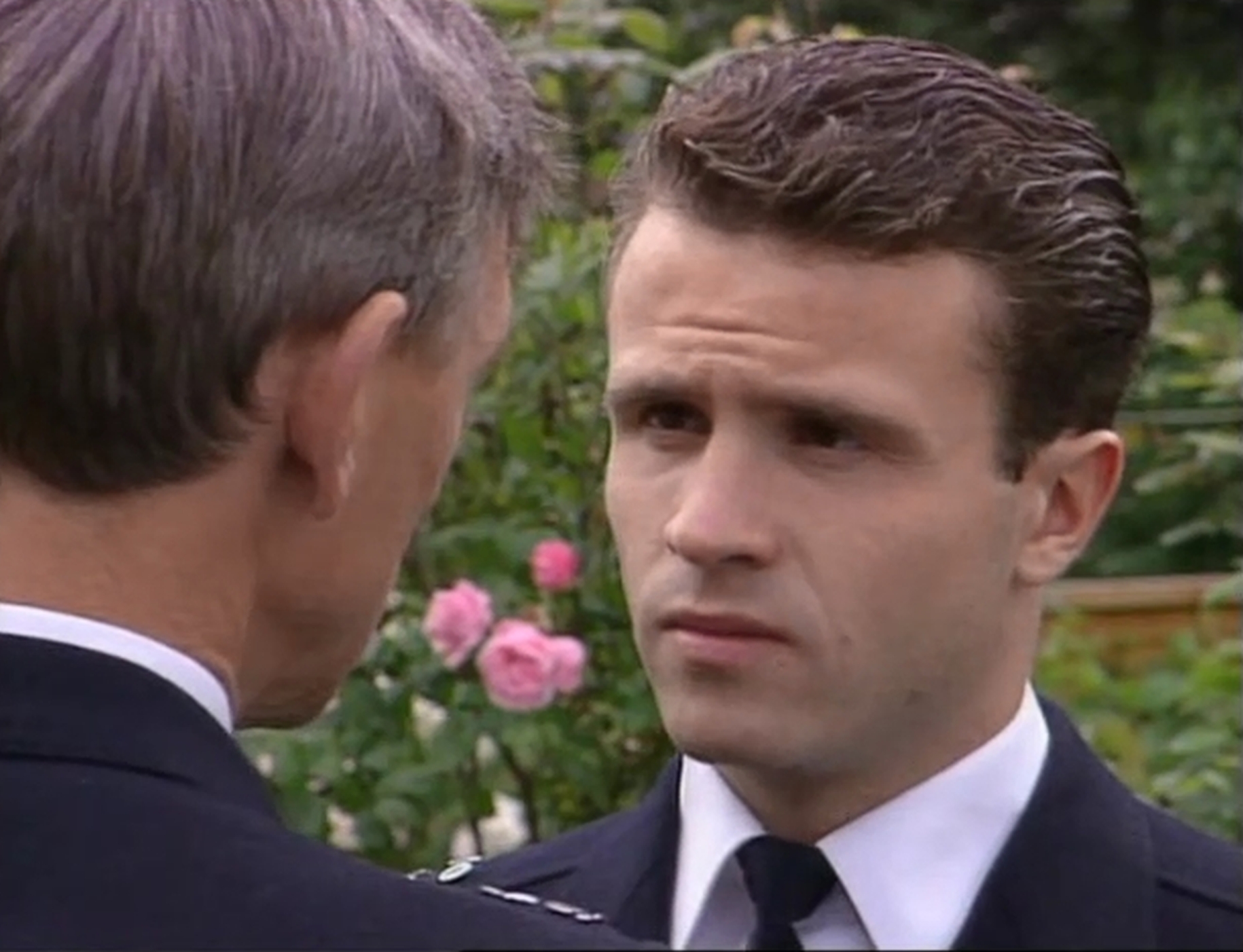
Despite being 34 years old, Interpretations is an episode that feels very current (dealing as it does with tensions between the White and Asian communities). Riots are occurring on the streets of Sun Hill although – for obvious budget reasons – we don’t see them, we’re just told about them.

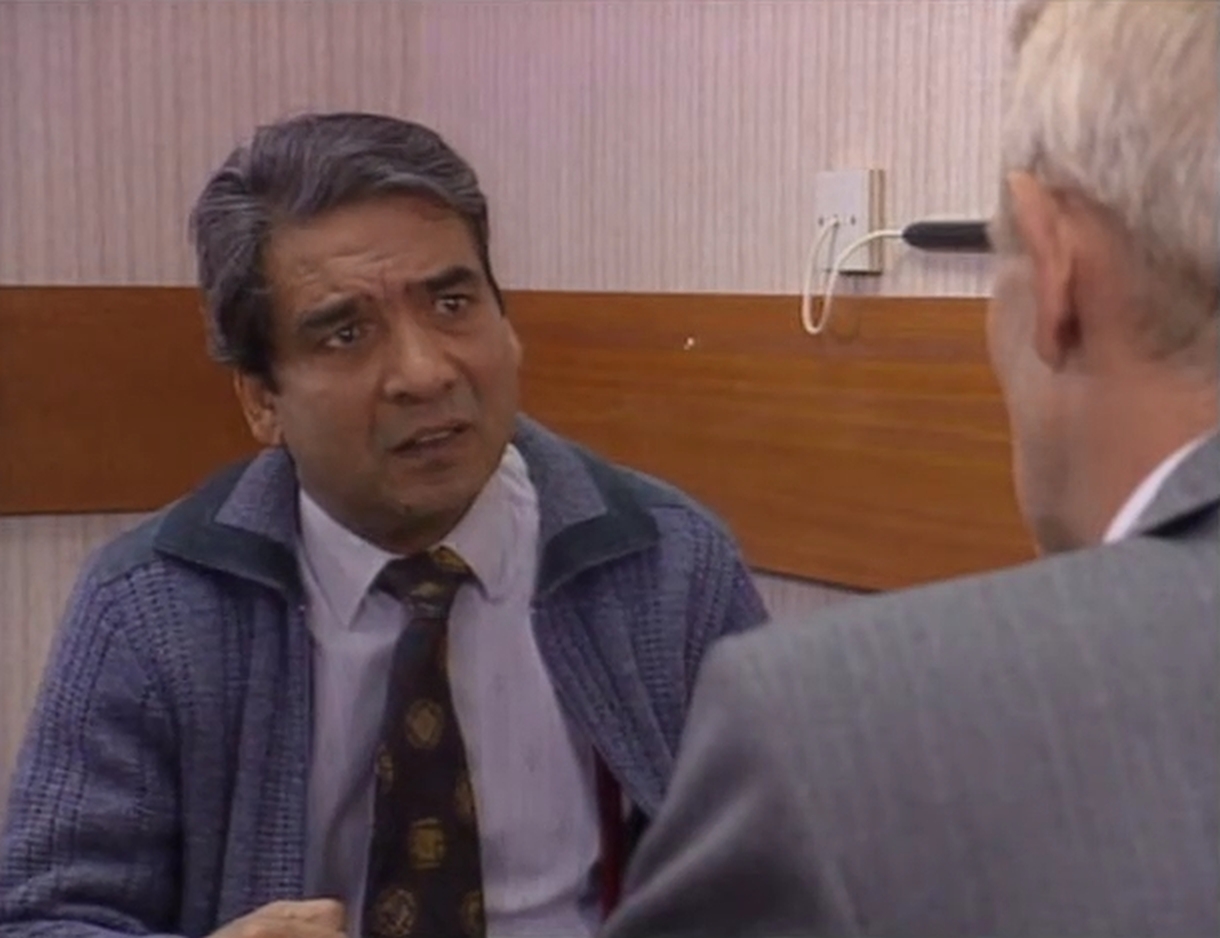
Colin Grout (Troy Webb), arrested for assault, is convinced he knows where the blame lies. “They’re smashing the windows of decent, white citizens and you let them”. In the next scene, Riz Siddiqui (Ashok Kumar) provides the counter-view, complaining to Bob Cryer that there’s been “three fire bombs this month and you’ve caught no-one”. That Bob knows and respects the Siddiqui family is quickly sketched in (as is the fact that they’re decent, law-abiding folk).

Riz’s t-shirt (“racist pigs”) demonstrates his lack of faith in the police to deal with the attacks. So future violent clashes on both sides look more than likely since Bob can offer no guarantees, only reassurances.

The main thrust of the episode revolves around the fire-bombing of a house which contained a number of immigrants. Roach is keen to speak to one of the victims, but their lack of English means that a translator – Ruth Davdra (Shaheen Khan) – is required. Her job partly explains the episode title – but there’s also a twist, since we later discover that (for various reasons) she’s been editing the responses received before translating them. And another twist comes when the identity of the fire-bomber is revealed.

This is a good story for Roach and Brownlow also features in several key scenes. Not for the first time, Brownlow is interested in how things appear, rather than how they actually are. When a white suspect is arrested, he’s more than pleased – as it enables him to report to the press conference that progress is being made. Whether that person actually committed the firebombing is less important than the fact that Sun Hill will now be seen as doing something positive to deal with the situation.

Amongst the guest cast, there’s a small role for Jenna Russell (as Kelly Bailey). Such is the power of On The Up, that I always expect Russell to have a Scottish accent and am always momentarily disconcerted when she doesn’t …

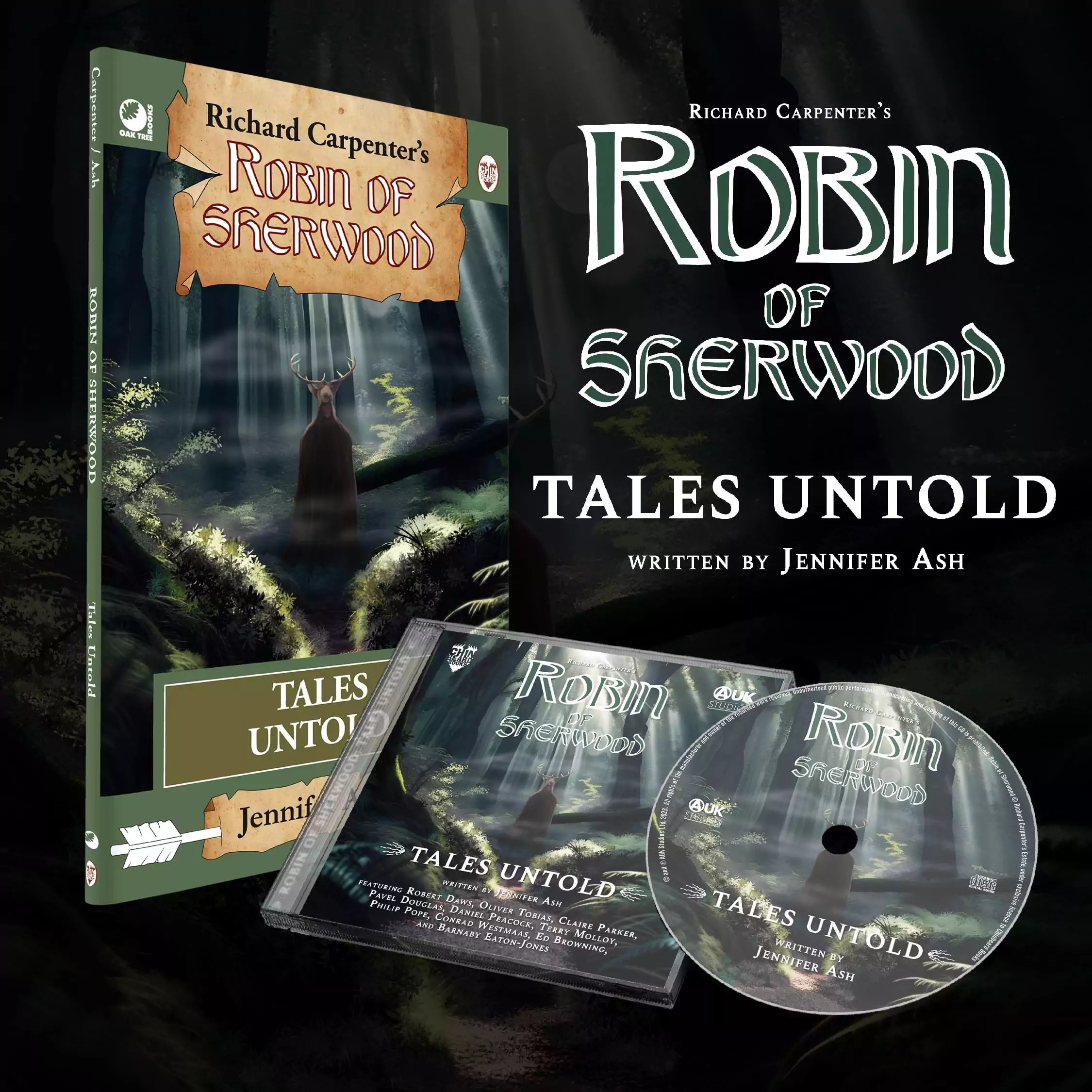
Robin of Sherwood – Tales Untold (Audio Review)

With Robin of Sherwood having just celebrated its 40th birthday, it’s the ideal time to dip back into the series’ back-history with this latest audio release from AUK Studios/Chinbeard Books – Tales Untold by Jennifer Ash.

But for once, the focus isn’t on Robin and the Merries – instead, this audio comprises 5 vignettes (each around 15 minutes each) which shine a light on some of the series’ ancillary characters. Some are friends and some are foes and this release gives them all the chance for their characters to be developed and deepened.

Reprising their roles from the television series are Robert Daws (Hubert de Giscard), Oliver Tobias (Bertrand de Nivelle), Daniel Peacock (Sergeant Sparrow) and Claire Parker (Elana Scathlock). Terry Molloy takes over the role of the Old Prisoner from Stuart Linden.

Also appearing are Conrad Westmaas, Philip Pope and Barnaby Eaton-Jones, all of whom add considerable extra value – they’re not simply there as line feeds for the main characters.

Up first is The Giscard Dilemma. Fleeing Nottingham after the events chronicled in The Sherriff of Nottingham (3.5), a desperate Giscard holes up in an isolated tavern where he pours out his story in an incoherent fashion to a patient landlord (Eaton-Jones). It’s a nice, compact two-hander with Daws (like his fellow stars) effortlessly slipping back into his character after a gap of nearly four decades.

The Old Prisoner’s Friend is the tale with the greatest emotional pull. On screen, the old prisoner existed to provide a moment of comic relief – incarcerated in the dungeon for years (possibly because he’s been forgotten about) he, and his rodent friend Arthur, would greet each new arrival with the exhortation that “feet first” was the only way to get out of this dark hole.

In The Old Prisoner’s Friend, he meets Arthur for the first time (spoiler alert – there’s more than one Arthur) and proceeds to recount his life-story to his rodent chum. At least, as much of his story as his fractured mind can recall. It’s a bleak little yarn, teasing us for a while that we might finally learn exactly why he’s been imprisoned for so long. Terry Molloy offers a fine monologue that lingers long in the memory.

Bertrand’s Confession finds a dying Bertrand de Nivelle confessing all to a priest (Westmaas). Tobias had appeared in Lord of the Trees (2.3) – invited to Nottingham by his friend the Sheriff to deal with Robin Hood. Oliver Tobias deftly captures the dichotomy of a character like de Nivelle – he might have been an unthinking murderer at times, but he also possessed his own moral code (and his failings have come back to haunt him as he nears death).

After a couple of rather downbeat tales, the time’s right for an abrupt change of pace. And that’s offered with Sparrow’s Choice. This is great fun, featuring a rollicking turn by Daniel Peacock as the forever put-upon Sergeant Sparrow (Philip Pope and Barnaby Eaton-Jones are excellent as well – making this a fine three-hander). Lovely stuff and I could easily have listened to much more of the misadventures of Sparrow.

The CD concludes with Elena’s Love, which features Claire Parker as Elena and Terry Molloy as her stepfather. Besotted with Will Scathlock, Elena is determined to marry him (despite her stepfather’s disapproval). Eventually he realises that his strong-willed daughter must have her way – and Elena and Will look set for a lifetime of bliss. Of course, we know only too well how how this story will play out and what the consequences are for Will ….

It’s nice to hear Clare Parker again (who after nearly forty years still has no problem in sounding like a headstrong young woman). Her list of television credits isn’t that great, but she appeared in a number of 1980’s series (Pulaski, Knights of God, Hannay) that remain close to my heart. She made her debut in the 1981 adaptation of Vice Versa (a series that I hope will escape into the wild one day).

With Alexander White providing very Clannad-like music, Tales Untold is a strong anthology which I’m sure will reward repeated re-listens.

At the time of writing, the CD is available via this link together with a copy of the novelisation (which includes an extra story not featured in the audiobook). When the physical stock has sold out, the audio will only be available as a download and the ebook won’t feature the extra tale. So for those who like to have a product to hold, it’s worth ordering now.

Book review – Reaching a Verdict – Reviewing The Bill: 1990 to 1992 by Edward Kellett

In his introduction, Edward Kellett states that this era of The Bill is his favourite era of the show – which is something I can concur with. By this point, the series (reformatted into a twice-weekly half hour show in 1988) was slowly beginning to develop – instead of purely stand-alone stories, there were sprinklings of two-parters and (later in 1990) the six-episode hunt for the Canley Fields serial killer, which was spread over several months.

With over 300 episodes broadcast during 1990 – 1992, there’s a great deal of ground to cover. Kellett divides the book into three sections (for 1990, 1991 and 1992) and then forensically examines that year’s output in a number of ways. He might look at a number of episodes penned by a certain writer (J.C. Wilsher or Christopher Russell, for example) and then discuss how a particular character was served by that year’s scripts.

As with the previous volume, Kellett’s pin-sharp character studies are a delight. Here he waxes lyrical about the odd-couple relationship between Brownlow and Conway.

How best to define the decade-long feud between Sun Hill’s Lemmon and Matthau is tricky. At times it resembles an overlong car journey, harassed father trying to quell the endless whining in the back. But it’s also a masochistic relationship, in which Conway endures any amount of pain in return for the rare moments of pleasure when Brownlow falls on his face.

Also included are liberal dollops of quotes from the scripts, which serve as a reminder about just how good the series was during this era. As a year-round programme, by this point it’s possible that The Bill began to be taken for granted – as a familiar, comfortable presence always in the background. If so, then Kellett’s book should redress the balance somewhat – showing that (even in its pre-watershed form) it could still carry off stories of considerable impact.

Inspired by Reaching a Verdict I’ve already dipped into some of the key episodes covered in this book – which is testament to the quality of Edward Kellett’s writing. For any fans of The Bill, this is an essential purchase.

Reaching A Verdict: Reviewing The Bill can be ordered directly from Devonfire Books via this link.

Spy Trap (1972 – 1975)

Created by Robert Barr, Spy Trap ran for three series and 61 episodes between 1972 and 1975. When comparing it to similar programmes in the same genre, it’s fair to say that it’s more like The Sandbaggers than Callan (Spy Trap mostly revolves around men and women talking, rather than gunplay and murder).

One of Barr’s notable earlier series was Spy-Catcher (1959 – 1961). Based on the memoirs of Lieutenant-Colonel Oreste Pinto, a WW2 MI5 interrogator, each episode saw Pinto (Bernard Archard) test the story of refugees and others who may be friends or may be foes.

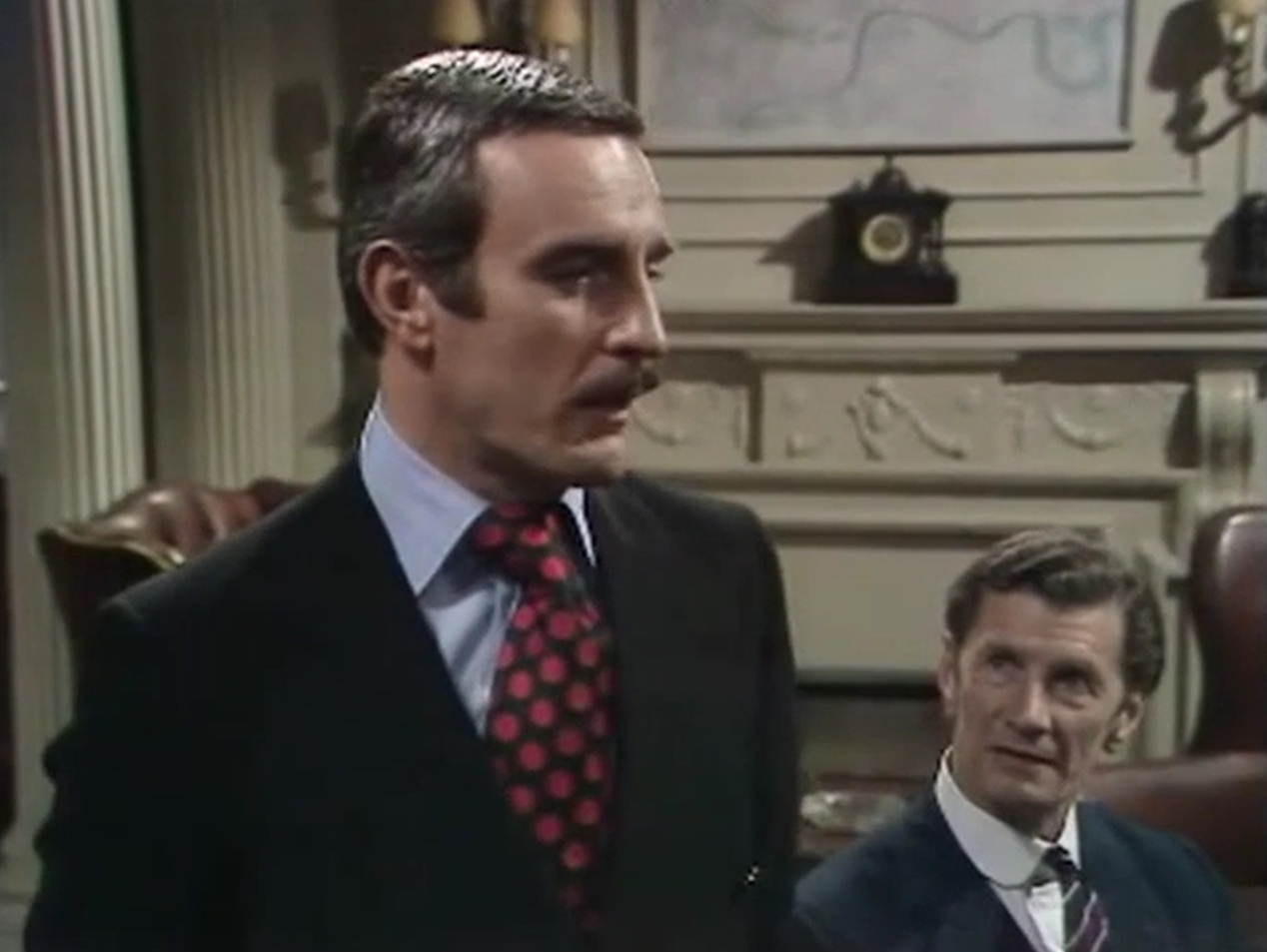
Spy Trap has a similar feel – with Commander Ryan (Paul Daneman) cast in the Pinto role. Ryan’s job in most of the episodes (or at least the ones which still exist) is to relentlessly probe and question. When circumstances dictate, Ryan can be affable and friendly, but he can change at the drop of a hat.

Some episodes operate rather like a whodunnit – with multiple suspects – others such as The Cornet and The Beast, The Melioidosis Report and The Merrin Memoirs are more basic in their setup, with Ryan facing off against a single opponent. This is no criticism though, as these examples (all from the third and final series) show the series at its best.

The first series ran for thirty six 25 minute episodes and was scheduled in an unusual way. The first four stories all ran for four episodes and were stripped across the same week – Monday to Thursday. From then on, two-parters were more common (although there was another four-parter as well as a six episode story) with the remainder of series one airing on Wednesdays and Thursdays.

Spy Trap hasn’t fared too well in terms of surviving episodes, with only 14 left in the archives – the first four from series one and all of the third and final series. Although with my glass half full hat on (if you excuse the image) it could have been worse – at least we have an example of the original format plus a complete run from later on.

The debut story, Checkpoint, was written by Barr and aired between the 13th and the 16th of March 1972. Whilst Ryan would be ever-present in every story, Checkpoint is the only opportunity to see some of the other series one and two regulars – Commander Anderson (Julian Glover), Lieutenant Saunders (Prentis Hancock) and Trent (Kevin Stoney) – in action.

The basic plot of Checkpoint is a simple one – an agent called Brady (Norman Rodway) engineered a daring escape from behind the Iron Curtain, bringing three people with him. The respected scientist Dr. Richter (Gerard Heinz) is seen as a notable prize (if, of course, he can be trusted) but there are question marks over the other two – Peter (Paul Aston) and Magda Rajik (Janet Key). And since Ryan isn’t too happy with Brady’s story he’s quite prepared to carry on digging until he’s satisfied.

The tension between Ryan (always a desk-man) and Brady (a slightly flaky and burnt out field officer) is nicely teased out and Janet Key also impresses (and receives a good chunk of screentime) as Magda.

Ryan eventually finds out the truth of the matter, although that’s not the most important part of the story – Checkpoint is all about the journey, rather than the destination.

Reviewing this first story, Graham Clarke in The Stage and Television Today, confessed that he found himself a little underwhelmed by the denouement but then said that “the play was well-written and directed with an uncluttered economy of effort: it was also very well acted and the quality is likely to be sustained by its excellent and competent leading players.” He closed by commentating on his disappointment that Julian Glover was given little to do (and was hopeful he would have better in the future stories). Fingers crossed that one day further examples of series one turn up to see if this did happen ….

We then jump to the beginning of series three and Look for the Ugly. By this point the core team comprises Ryan, Major Sullivan (Tom Adams) and Carson (Michael Gwynn). With Barr no longer contributing scripts, a varied selection of writers were used – all of whom bring their own stamp to the series. Amongst them were John Kershaw, P.J. Hammond, Ray Jenkins, John Wiles and Bill Craig.

Jenkins and Craig had also worked on Callan, so it’s possibly not surprising that – my earlier comments notwithstanding – it’s possible to see occasional echoes of the ABC/Thames series. For example, Craig’s script (To Kill A Unicorn) finds Ryan and Sullivan operating undercover in East Berlin. This is a far cry from Ryan’s comfort zone and he’s forced at times to play second fiddle to Sullivan – a man with (secret) orders to kill if necessary.

The rotating crop of writers used during this third series, ensures that Spy Trap never got into a rut. Although some episodes are more engaging than others, there’s always something of interest – especially guest performers. Such as Peter Miles in Look for the Ugly, Michael Aldridge in The Cornet and the Beast as well as James Bree (a typically idiosyncratic turn) and Diane Keen in Distant Relations.

Spy Trap may be a forgotten series but it’s one that’s aged well (provided you appreciate dialogue-heavy VT studio drama – and if you don’t, why are you on this blog?!) At present, all the existing episodes can be viewed here.

Thirty Minute Theatre – Emergency-Ward 9 by Dennis Potter

Broadcast on the 11th of April 1966 as part of the Thirty Minute Theatre strand, Emergency-Ward 9 was Dennis Potter’s only 30 minute television play. Thirty Minute Theatre, which ran between 1965 and 1973, clocked up nearly 300 episodes and a quick perusal of the credits will throw up many familiar directors and writers (the likes of John Mortimer, Fay Weldon, Tom Stoppard, Willis Hall, P.J. Hammond and Andrew Davies were just a few of the notables who provided scripts for the series).

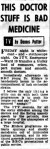
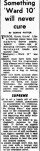
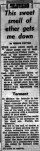
The title Emergency-Ward 9 is an obvious tip of the hat to ITV’s long-running medical soap opera. Potter, in his previous life as the television critic of the Daily Herald, had encountered the series on a number of occasions. The examples below show that he had a certain condescending affection for it, but his view of hospital life (presumably informed by his own lengthy hospital stays) was a far darker one.
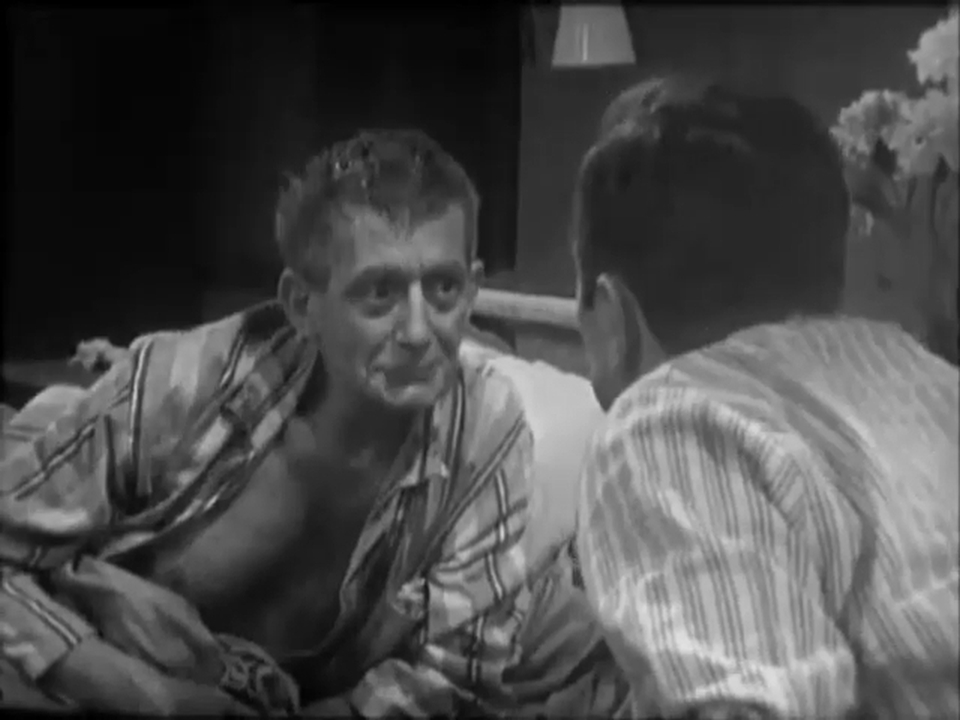
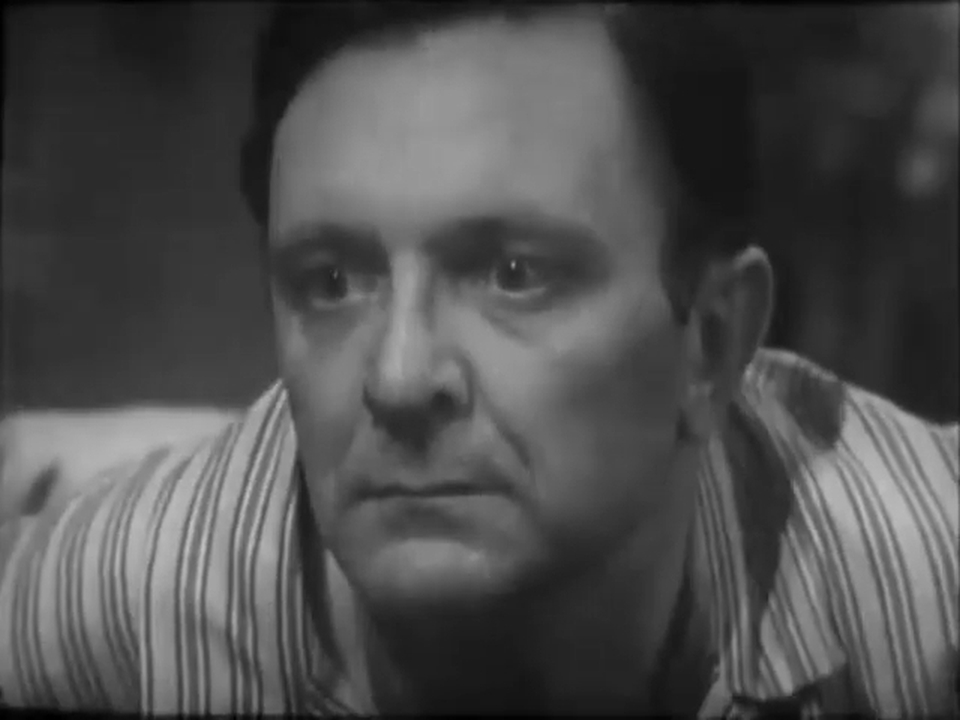
The play opens with a recalcitrant elderly man, Flanders (Terence de Marney), receiving some nursing attention with ill grace. His neighbour in the next bed, Padstow (Tenniel Evans), is a totally different type of patient – happy to assist the nurses, he also sympathises that they have to deal with people as difficult as Flanders. As the play continues, Padstow’s personality is delineated a little more (we discover he’s a schoolteacher during the day and a lay preacher on Sundays, which maybe helps to explain his priggish attitude).
At first, Flanders’ irascible bad temper acts as an entertaining counterpoint to Padstow’s more restrained personality. But soon, the mood changes as Flanders begins to hurl a barrage of racist insults at the only black patient in the ward – Mr Adzola (Dan Jackson).

This was the era of Till Death Us Do Part of course, so the attitude of Flanders wouldn’t have been an isolated one. Flanders is an old, bitter man who becomes increasingly pitiable as the play progresses. Indeed, despite his attitudes, by the end it’s hard not to feel some sympathy for him.

Padstow wastes no time in expressing his revulsion to Flanders for his comments, but when Padstow later goes across to Adzola (to apologise for Flanders’ behaviour) he’s rather taken aback to learn that Adzola holds Flanders (not to mention the rest of his class) in extreme contempt. Potter’s refusal to paint Flanders and Adzola as simply villain and victim means that we close with a feeling of unrelieved tension – the individual viewer, with their own opinions and prejudices, will need to decide for themselves where their sympathies lie.

Broadcast live, Emergency-Ward 9 is fluidly directed by Gareth Davies. I didn’t spot many fluffs or production mishaps (although maybe they were later edited out of the telerecording). Given its hospital setting, it’s hard not to see echoes of The Singing Detective in it – so it’s a shame that it didn’t resurface during BBC4’s recent reruns of Potter’s 1986 serial (possibly the language might have been a stumbling block).

Out of the 285 plays produced for Thirty Minute Theatre, only 45 are known to exist. Given the talents involved, both in front of and behind the screen, that’s a depressingly low total. But there’s always hope that examples might still be out there somewhere – after all, Emergency-Ward 9 was only recovered in 2011 after a film collector saw it listed for sale and decided to take a punt.

Dixon of Dock Green

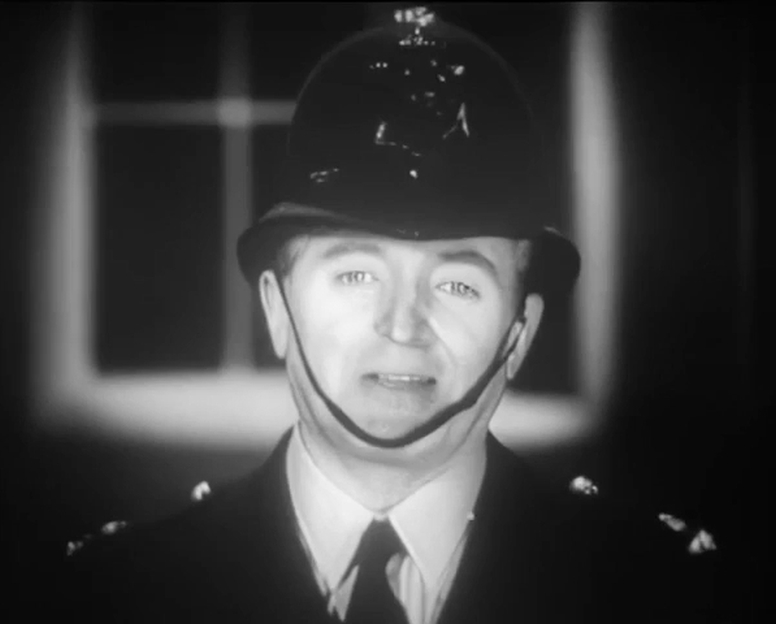
Good evening all.

Talking Pictures TV have recently started a re-run of the surviving episodes of Dixon of Dock Green. Sadly, even at the rate of one a week that won’t take them that long (432 episodes were broadcast during 1955 and 1976, only 32 still exist).

Given that so much is missing, it’s hard to get a feel for how the series developed during the 1950’s, 1960’s and 1970’s. Five consecutive episodes from the second series which aired in 1956 (Postman’s Knock, The Rotten Apple, The Roaring Boy, Pound of Flesh, Father In Law) are the earliest survivors and then we jump to 1960 (The Hot Seat) with another five B&W episodes remaining between 1963 and 1967 before arriving at the first colour episode still in the archives (Wasteland).

Although more colour episodes than black and white ones do survive, the picture is grim for the early 1970’s. Only three episodes from series 17-19 (1970 – 1972) are still around, and it’s clearly no coincidence that they were all-film productions (money could be saved by wiping and reusing videotapes, but that couldn’t happen with film – hence the reason why they fell through the wiping net).

Indeed, it’s not until the final two series (21 and 22, 1975 – 76) that things begin to pick up. A good chunk of series 21 still exists, and all of series 22 has been retained.

So what are the earliest (1956) episodes like? The telerecordings are a little crude (but then you need to remember that this was still a developing art – only three years earlier the process was deemed to be so unsatisfactory that the final four episodes of The Quatermass Experiment weren’t telerecorded at all).

If you can overlook the slightly murky picture quality, there’s still plenty of interest – for example a young Paul Eddington guesting in The Rotten Apple (11th August 1956) with an equally young Kenneth Cope appearing in the next episode –  The Roaring Boy (18th August 1956). Eddington is that rarest of things in the Dixon universe (a rotten copper) while Cope plays a gun-toting tearaway who holds George hostage. Cope has more than a hint of Dirk Bogarde about him, so it’s hard not to be reminded about how things went for PC Dixon in The Blue Lamp. Luckily for Dixon this time, he’s an indispensable part of the television series, so was able to walk away unscathed.

TPTV have said that all surviving episodes will air. I’ll keep an eye out to see if Molenzicht is one of them (it was left off the DVD release for unspecified rights reasons). I only have a rather washed-out colour copy in my collection, so it would be nice to see a better quality version (although if truth be told, it’s a bit of a dull tale that not even Maurice Roëves can lift).

Elsewhere on this blog are reviews of all the other colour episodes, written when the DVDs came out. My feelings at the time (which I’m happy to still stand by) is that they show the series was far stronger than its low reputation would have you believe.

The arrival of The Sweeney was seen by many as the final nail in Dixon’s coffin. And yet the tv schedules were surely big enough for the both of them. Not least because they were serving very different audiences – Dixon was an early evening programme, The Sweeney was firmly post-watershed.

And it’s always struck me as rather ironic that Ian Kennedy Martin (creator of The Sweeney) would later devise Juliet Bravo (a series that, like Dixon of Dock Green, eschewed car chases and shooters – instead concentrating on low key, character-driven drama). Juliet Bravo ran for six series, which suggests that the audience for the type of policing George Dixon served up for over twenty years was still there well into the 1980’s.

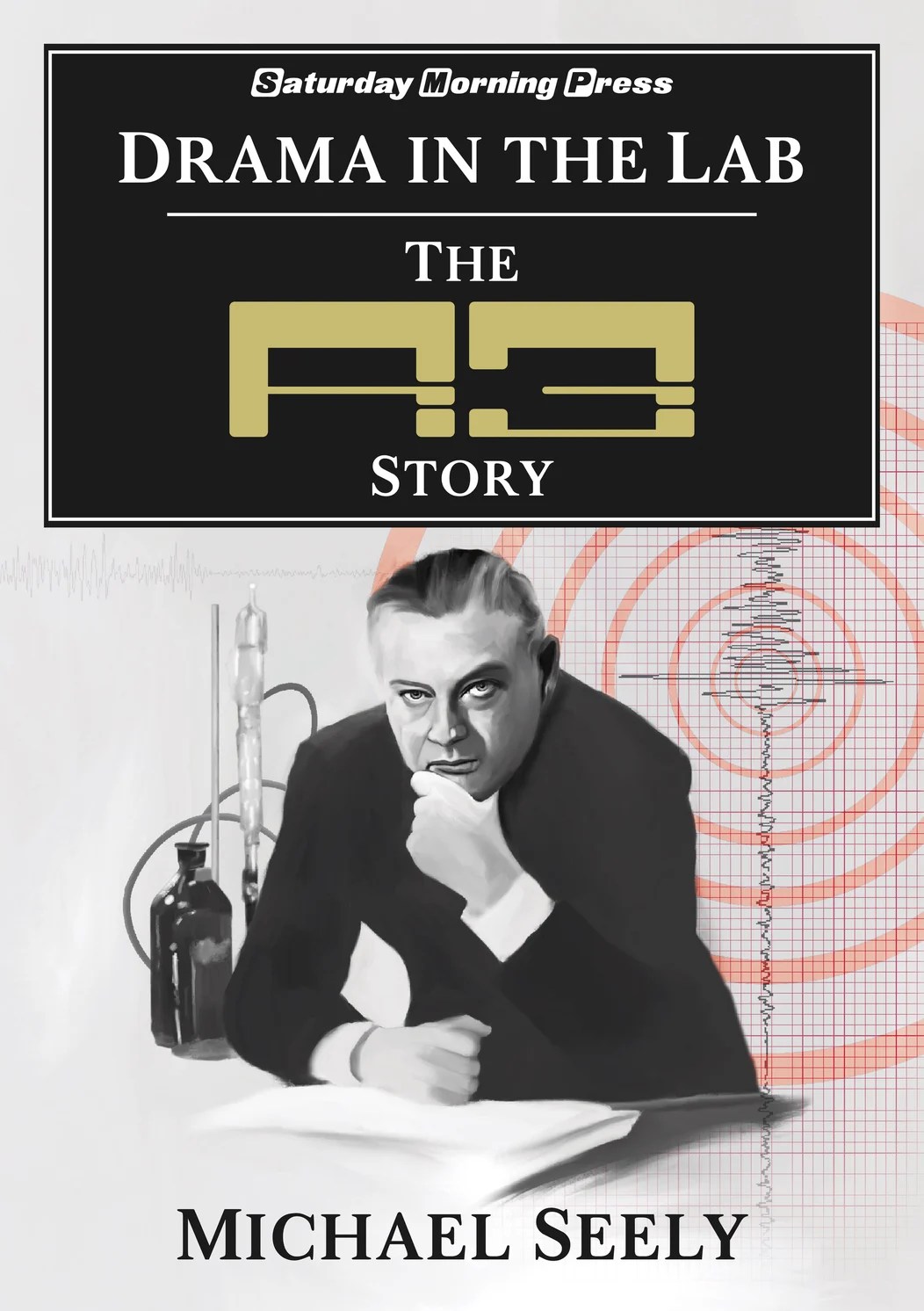
Book review: Drama in the Lab – The R.3 Story by Michael Seely

As Michael Seely states in his introduction, R.3 is a series that few people are likely to remember today. This is easily explained by the fact that it’s completely absent from the archives – none of its 26 episodes survive (all that’s left are a handful of telesnaps taken by John Cura, a few brief clips and the camera scripts).

Broadcast during 1964 and 1965, R.3 starred John Robinson as Sir Michael Gerrard, who headed up the Ministry of Research Centre No. 3 (otherwise known as R.3). This was a scientific research facility that attempted to produce results for the greater good, although things didn’t always go to plan ….

R.3’s scientific setting has led some to label it as a forerunner to Doomwatch, but Seely shows how that wasn’t really the case. Indeed, the scientists of R.3 weren’t averse to attempting risky experiments that the Doomwatch team would have had no hesitation in closing down!

Created by N.J. Crisp and Dr Stephen J.L. Black, chapter one of Drama in the Lab concentrates on the development of the programme. Gerard Glaister, later to work closely with Crisp (The Expert, The Brothers, Oil Strike North) was called upon to comment upon the revised series pitch and proffered some incisive opinions. It always interests me to learn how much actors and writers were paid, and there’s a good deal of information of that type provided (Elizabeth Sellars, who played Dr May Howard, was seen as something of a casting coup and therefore received considerably more money than John Robinson).

Robinson, of course, will always be remembered as the second television incarnation of Professor Quatermass. Given that role, possibly there was a little typecasting in play when he was offered the role of Sir Michael Gerrard (who by all accounts, could also be a little curt and abrasive). I’ve always found his Quatermass performance to be rather one note, so it’s interesting to ponder whether he was able to find a little more depth in Gerrard.

Elisabeth Sellars didn’t return for the second series, but there was a notable newcomer – Oliver Reed as Dr Richard Franklin. As with Robinson, we can only imagine what sort of impression the young Reed (who at this point was already beginning to gain a following via his work with Hammer) would have made in the series. But it’s easy to imagine it would have been a positive one.

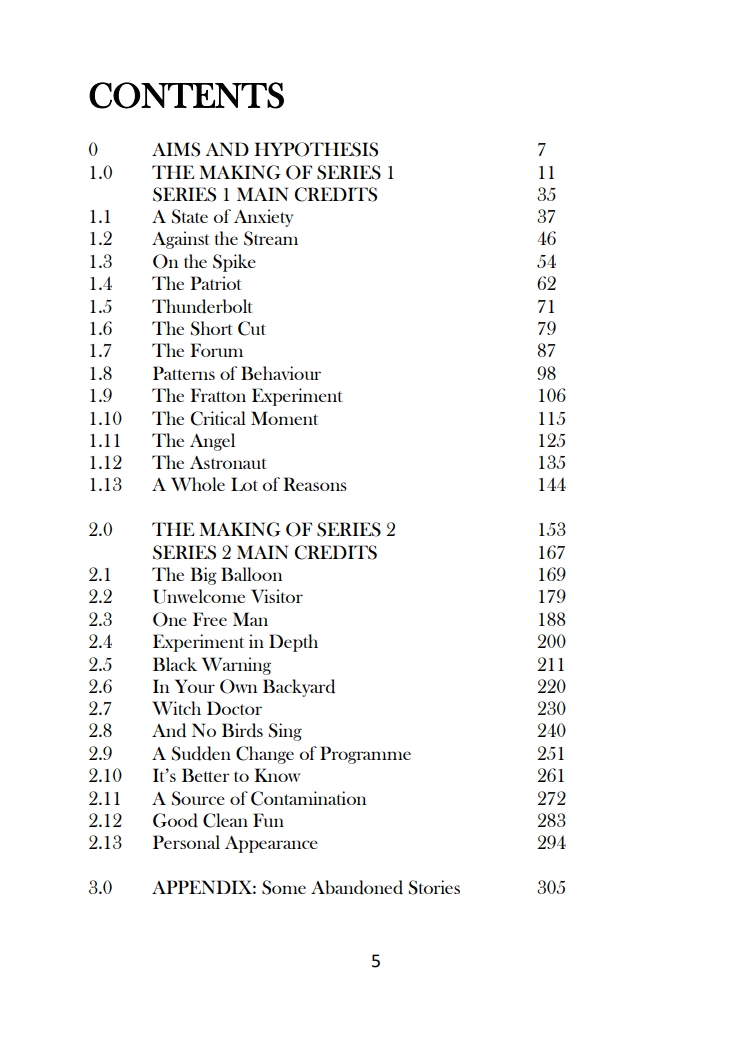
Drama in the Lab is organized in an orderly fashion – it begins with an introduction for the first series (featuring a plethora of excerpts culled from the production paperwork – all of which I find fascinating). This is followed by chapters on each episode (which contain a detailed story synopsis, production notes and an analysis of the story). Series two follows the same format.

As I mentioned when reviewing Taste and Decency – The Swizzlewick Story, it’s such a pleasure to be able to gain an understanding of how a television series of this era was produced, not least to be able to eavesdrop on the various disputes and issues that occurred (William Emms, for example, did not enjoy his time on the series).

We know all about the production of Doctor Who of course, but every other series of the same vintage will have similar stories to tell – it’s just that someone like Michael Seely will have to spend a fair amount of time digging through the paperwork in order to produce a coherent story. That’s only going to happen for a handful of series, of course, but I’m glad that Seely has made the effort with R.3.

Drama in the Lab – The R.3 Story is another very worthwhile publication from Saturday Morning Press which shines a rewarding light on a long-lost and long-forgotten programme. The only disappointment is the knowledge that the series has gone for good (I suppose there’s always the chance a dusty film can or two is out there somewhere, but I’m not going to hold my breath). But even if R.3 is no more, this book offers a comprehensive look behind the scenes and I’m sure it will be appreciated by anyone with an interest in the production of British television during the 1960’s.

Drama in the Lab – The R.3 Story can be ordered from Saturday Morning Press via this link.

The Saint – The Russian Prisoner

Simon has just arrived in Geneva, but – as always – his leisure time turns out to be very brief.  Karel Jorovitch (Joseph Fürst) is a brilliant Russian scientist keen to defect and be reunited with his daughter. Jorovitch and Simon briefly meet and after Jorovitch later disappears, Simon is approached by Irma Jorovitch (Penelope Horner). She tells him that her father has been abducted by the Russians and is likely to be executed very soon …

Joseph Fürst, an impressive actor who seems fated to always be remembered for his hammy turn in Doctor Who (nothing in the world can make me forget it) impresses as the twitchy Jorovitch. After featuring so heavily in the first act, it’s slightly surprising that he then disappears from the story, but the reason for this is made clear at the end.

A stand out turn comes from Yootha Joyce as Milanov, the senior KGB operative charged with ensuring Jorovitch doesn’t step out of line. Joyce will always be best remembered for her 1970’s comedy work, but her cv during the 1960’s showed that she was equally adept at drama. Possibly owing a debt to Rosa Klebb, Milanov might be something of a cliché figure (the implacable KGB operative who’s a stranger to pity and compassion) but Joyce was too good a performer to let Milanov simply exist as a cardboard villain.

Sadly for her, Milanov has to rely on some inept muscle – namely Krill (Godfrey Quigley) and Pytor (Anthony Booth). Simon is able to run rings around them time and time again – most entertainingly during a fight in his hotel room (where prop furniture shatters with reckless abandon).

Guy Deghy as the always apoplectic Inspector Oscar Kleinhaus, Robert Crewdson as Mikhail Zhukov (who sports a strange beard) and Sandor Elès as the phlegmatic hotel receptionist Andre fill out the minor roles.

The major guest role goes to Penelope Horner as Irma. The second of her three Saint appearances, Horner gives a winningly winsome performance as Irma – although there always seems to be something unfathomable about her.

All is revealed at the conclusion of the episode when  – spoiler alert – she turns out be yet another Russian agent and not Jorovitch’s daughter after all (Jorovitch has actually sought and received asylum – so the Russians decide to spin Simon a tall tale and hope that he’ll do their dirty work for them).

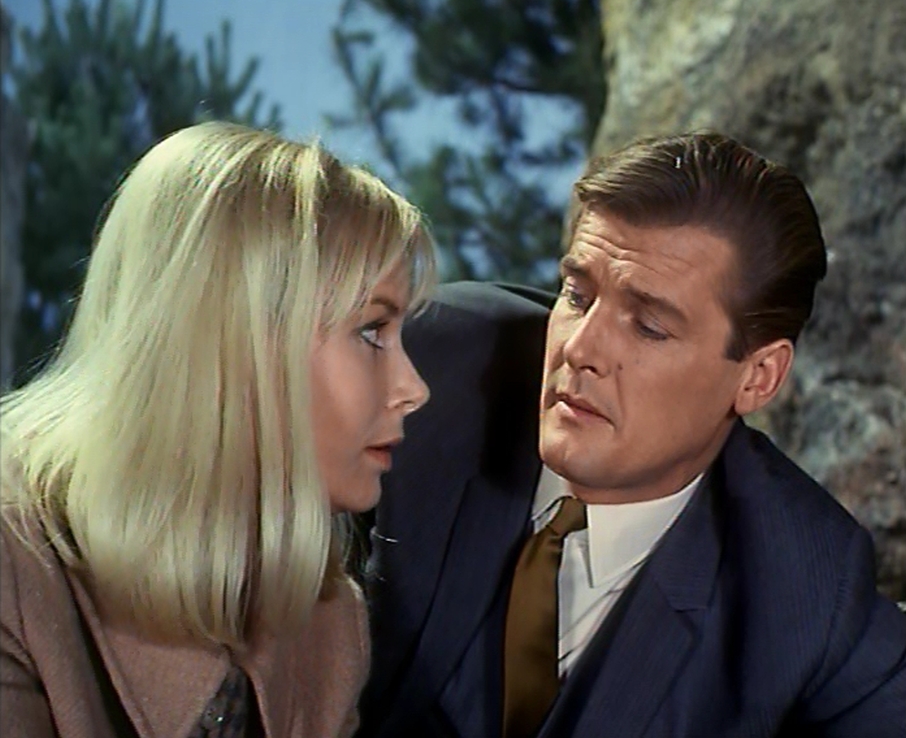
This brings the story to a neat conclusion, although it doesn’t quite satisfy me (why did Irma turn up in Geneva long before Jorovitch defected?). But minor quibbles apart, this is entertaining fare with Roger Moore in fine quipping form and the stock footage integrating very well with the studio material. Four halos out of five.

Back to Christmas 1983 (30th December 1983)

We’re finishing off the fortnight with something of a whimper rather than a bang. But on the BBC there’s still a good afternoon film – Hitchcock’s Notorious and during the evening there’s Jasper Carrott’s review of the year in Carrott’s Lib.

Over on ITV we’re about midway through the first series of Auf Wiedersehen, Pet. Today’s episode – Private Lives – is a S1 highlight. Dennis and Dagmar are becoming an item – but he’s keen to keep it a secret from the lads. As you might expect this turns out to be impossible, even in a city as large as Hamburg.

Over on C4 there’s another chance for Max Boyce to meet the Dallas Cowboys.

And that’s it for my fortnight in 1983. Thanks to anyone who’s managed to stay the course with me. All being well, next year it’ll be December 1984 …

Back to Christmas 1983 (29th December 1983)

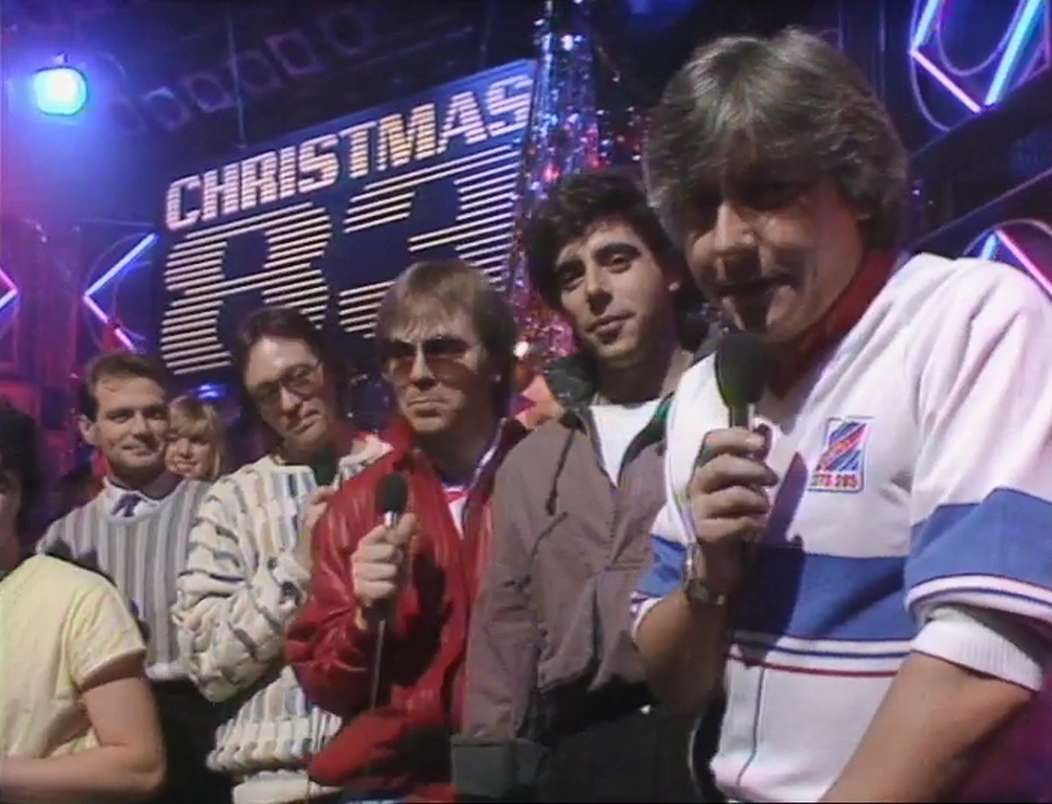
The Radio 1 DJ’s are still in a festive mood as they introduce some of this year’s best sellers in today’s TOTP. Highlights include JoBoxers with (what else?) Boxer Beat, The Cure (resisting the temptation to get into a party mood) who give us The Lovecats and a very smart-looking Belle Starrs performing Sign of the Times. Throughout the show – as you’d expect from a Michael Hurll production – balloons are in plentiful supply.

Over on ITV there’s StingrayA Christmas to Remember which is worth it for the skating scene alone (it still impresses me nearly 50 years on).

Highlight of the day is The Sooty Story – The First Thirty Years. I adore the behind the scenes footage and it’s so lovely to see Harry and Sooty back together.

Later on ITV there’s Shelley. We’ve reached series six, which saw Shelley living apart from Fran. Although some regard the Fran years as the best, I’ve a lot of time for the post Fran era – not least because it allowed Shelley the chance to interact with a wider group of characters (a lot of series four felt like it just revolved around Shelley and Fran sitting at the kitchen table, eyeing ever-growing piles of bills).

Today’s episode finds a curmudgeonly Shelley reluctantly joining a party next door (Rebecca Saire, Richard Austin, Yolanda Palfrey and Marsha Fitzalan play some of the bright young things guaranteed to make Shelley feel his age). Along with the series closer, which posed the question as to whether Shelley and Fran would ever get back together (spoiler – they don’t) it’s the strongest episode from this run. The series would then take a break before returning in 1988.

Back to Christmas 1983 (28th December 1983)

Ah, Christmas wouldn’t be Christmas without The Great Escape. Although this was its first festive outing on the BBC since 1971, The Great Escape would also return during Christmas 1985 and 1987, so you can see why it’s associated with tinsel and holly for so many people.

The film was adapted from the book of the same name by Paul Brickhill. Brickhill knew what he was talking about (he was an inmate of Stalag Luft III and assisted in the escape attempt, although his claustrophobia ensured he wasn’t able to take part in the Great Escape itself). The movie, as you’d expect, diverts somewhat from Brickhill’s book (and that didn’t tell the whole story anyway) but there’s no point in spending too much time in historical nit-picking. Whatever the truth is, it’s still a memorable movie.

You  get the feeling that BBC1 and BBC2 have already spent most of their original programming money, so today there’s only thin pickings. I would have watched The Case of the Frightened Lady, adapted by Victor Pemberton, but I can’t track it down (unless anyone knows differently?) so sadly it’s off the list.

I’ll be able to carry on with Chessgame on ITV and then an early night I think.