Danny Caswell (David Prosho) makes a stand against local drug dealer Tommy Defty (Neil Stuke). But when Danny’s house is trashed and his car is torched he wonders if talking to the police was the best option. Meanwhile, Tommy continues to taunt the police, convinced that he’s untouchable.
This episode’s cold open is very effective. A typically bleak, run-down estate is the venue as Lew and Bruce rush over to Danny’s house. It’s not just the damage that’s disturbing as the imagery (stickmen hanging) is plainly designed to intimidate. But although Danny’s not scared off, the CPS, in the form of Barbara, decide that they haven’t good enough evidence to proceed.
Warren caustically refers to the CPS as “Couldn’t Prosecute Satan” whilst Marty has his own unique take on how they might deal with Tommy. “I could take me Black and Decker round his house and drill his arse”.
Danny and his wife, Diane (Kate Rutter), cooperated with the police and got nothing for their pains – except a burnt car, a trashed house and the enmity of Tommy’s crew. It’s not really a great advert for working with the police. A frustrated Danny later vandalizes Barbara’s house and when questioned by Temple angrily tells him why. “You’ve given up on us. You’ve pulled the ladder up after you”.
Lew’s off-kilter personality comes to the fore when he and Bruce question Tommy’s mother, Mrs Defty (Barbara Ewing). He fingers her drying underwear and lays a delicate hand on her shoulder. Later, he breaks into her bedroom for a chat ….
Lew’s mind games are effective, if unconventional (and no doubt illegal). He knows that Tommy’s mother, just like everybody else, lives in fear of him – so needling both her and him might be the way to chip away at his hard shell. Ewing (best known for Brass) is effective whilst Stuke (who has gone on to enjoy a considerable career) is excellent value as the cocky drug-lord.
The loose cannon that is Lew is the motor which drives this episode along. Mrs Defty sums it up well. “Tommy scares me right enough, but you scare me more”.
Warren’s relationship with Lucy seems to have hit an impasse after she starts chatting to Tommy at a nightclub (despite Warren telling her not to). This might be good news for Becky, who seemed a little perturbed that Lucy and Warren were becoming serious. It’s doubtful that Lucy and Becky will ever be friends though, especially after Lucy spits in her face.
When Lucy – an unstable person if ever there was one – declares that she’s heading off to be with Tommy it adds another complication to the story. Warren and Becky go riding to the rescue, which involves them planting drugs on Lucy so they can extract her without making Tommy suspicious.
Another strong story which features a victory of sorts, although the collateral damage also has to be taken into account.
Due on the 21st of August from Simply Media are another three classic Charles Dickens adaptations from the 1950’s and 1960’s. Press release –
Simply Media are delighted to announce the DVD release of three BBC Charles Dickens classic drama adaptations on 21st August 2017: Oliver Twist (1962), Bleak House (1959) and Barnaby Rudge (1960).
These rare and highly sought-after original BBC drama series are presented in their stunning black and white original form, and are all fondly remembered for their great production value and the fantastic acting talent in each production.
These will form a part of Simply Media’s Charles Dickens Classics Collection, with three other Charles Dickens classics already available on DVD from Simply Media: Dombey and Son (1969), Great Expectations (1967) and Our Mutual Friend (1958).
Oliver Twist (1962)
The first ever BBC television adaptation of the Charles Dickens classic Oliver Twist. Adapted by Writers’ Guild of Great Britain award winner Constance Cox (The Forsyte Saga), who specialised in creating great adaptations of classic literature for screen, and featuring an atmospheric soundtrack composed by BAFTA-nominee Ron Grainer (Doctor Who).
This uncompromising adaptation of Dickens’ tale of a gang of orphan boys turned to crime changed the face of British Sunday teatime viewing. Cox’s unvarnished depiction of despair and depravity in the back alleys of 19th century London, and the cruel divide between rich and poor, shattered expectations of cosy family drama. But this is Oliver as Dickens intended, without the enforced jollity of the blockbuster Lionel Bart/Carol Reed musical.
BAFTA-nominees Max Adrian (The Devils) stars as villainous Fagin and Peter Vaughan(Game of Thrones / Our Friends in the North) an indelibly brutal Bill Sikes, Bruce Prochnik(Emergency-Ward 10) a gentle Oliver, Melvyn Hayes (It Ain’t Half Hot Mum) a spry Artful Dodger, and Carmel McSharry (Beryl’s Lot) the trapped and powerless Nancy. Interestingly, both Prochnik, who played Oliver, and Willoughby Goddard (William Tell), who played Mr. Bumble, reprised their roles in the original Broadway production of “Oliver!”
This landmark BBC production was a gritty game-changer that raised the bar and stretched the boundaries of TV adaptation and serial drama.
Format: DVD / RRP: £19.99 / Certificate: PG
Catalogue Number: 169661 / Barcode:5019322696612
Genre: TV Series – Drama / Run Time: 390 mins approx. on 2 discs
Bleak House 1959
The first ever BBC television adaptation of the Charles Dickens classic Bleak House, also adapted by the prolific Constance Cox. Starring Andrew Cruickshank (Dr. Finlay’s Casebook), Diana Fairfax (Just William), Colin Jeavons (The French Lieutenant’s Woman), Timothy Bateson (Dad’s Army) and Michael Aldridge (Last of the Summer Wine).
Dickens’ elegant satire about a disputed inheritance and the self-serving workings of the legal system gripped the public’s imagination. Cruickshank stars as John Jarndyce and Fairfax as his ward Esther Summerson in this delightfully complex comic drama.
A mystery story in which Esther uncovers the truth about her birth and her lost mother Lady Dedlock (Iris Russell); a murder story featuring one of the first detectives in English fiction, Inspector Bucket (Richard Pearson); and at its heart a redemption tale about a desolate home transformed by compassionate love. A slick and satisfying examination of double-dealing and injustice.
Format: DVD / RRP: £19.99 / Certificate: U
Catalogue Number: 167536 / Barcode:5019322675365
Genre: TV Series – Drama / Run Time: 390 mins approx. on 2 discs
Barnaby Rudge (1960)
The acclaimed BBC adaptation of Dickens’ classic tale of the 1780s Gordon Riots Barnaby Rudge, adapted by Michael Voysey and directed by Z Cars’Morris Barry, remains the only TV portrayal of Dickens’ tantalizing gothic drama.
Starring John Wood (War Games), Barbara Hicks (Brazil), Timothy Bateson (Harry Potter and the Order of the Phoenix) and BAFTA-nominee Joan Hickson (Agatha Christie’s Miss Marple).
On a stormy night in 1775 a ragged stranger (Nigel Arkwright) wanders into the Maypole Inn. Edward Chester (Bernard Brown – Crown Court), whose horse is lame, leaves the inn on foot to meet his beloved Emma Haredale (Eira Heath – A Man for All Seasons) at a masked ball. Joe Willet (Alan Hayward – Cash on Demand), quarrels with his father, Maypole landlord John (Arthur Brough – Are you Being Served?), and joins the army, only saying goodbye to Dolly (Jennifer Daniel – The Reptile), the pretty daughter of locksmith Gabriel Varden (Newton Blick – Morgan: A Suitable Case for Treatment). Varden’s household includes his formidable wife (Joan Hickson) and dithering maid Miss Miggs (Barbara Hicks).
Simple-minded Barnaby Rudge (John Wood) wanders in and out of the story, chattering with his pet raven Grip. Barnaby’s mother Mary (Isabel Dean) is visited by the stranger, and feels compelled to protect him.
As the stories interweave, Barnaby is caught up in the Gordon Riots, a violent demonstration against Catholics. Jailed with the ringleaders, will he hang for their actions?
Format: DVD / RRP: £19.99 / Certificate: PG
Catalogue Number: 169660 / Barcode:5019322696605
Genre: TV Series – Drama / Run Time: 390 mins approx. on 2 discs
Terry Forrest (Thomas Craig) is the victim of a male rape. Chris Mannings (Fine Time Fontayne), a gay man who lives on Terry’s estate, becomes a suspect ….
An unusual topic to cover, the episode isn’t graphic but the aftermath of the assault resonates throughout. Unsurprisingly there’s some unreconstructed views offered by the team, notably Marty. When Temple tells him and Ron to hit the gay clubs to look for leads, he mutters “better get that frock ironed Ron”. Ron seems to find the case particularly distasteful. Becky tells him to think of it as an assault, rather than a rape, but this doesn’t seem to help.
Ron later explains his problems to Temple. “It’s just that if it’s a lass who’s been raped, then I can tell her that she’s safe, that I’m there to protect her. I looked at Terry Forrest today. What can I say to him. What can I offer him?”
When Mannings’ naked, battered body is dumped outside the police station, it’s obvious that the locals have dished out their own brand of summary justice. One of Forrest’s friends, Kevin Ryan (Karl Draper), seems to be implicated in the attack, but he denies it.
There are plenty of parallels to be found in real life with this sort of knee-jerk vigilante action, but the question here is whether Mannings is actually guilty. The wonderfully-named Fine Time Fontayne (unsurprisingly not the name he was christened with) impresses as Mannings as does Thomas Craig as Forrest.
As the story continues, there are varying degrees of empathy to be found. Lew, on hearing the news of Mannings’ beating, decides there’s little they can do to help the gay community ward off further attacks unless they “supply an armed guard for everybody on the estate with a Judy Garland album”.
It’s also an interesting wrinkle that Becky is the one who voices the opinion that Forrest might not have been raped after all – possibly it was consensual sex which then turned violent. It wouldn’t have been surprising, had this been a female rape, to hear the male officers express a similar viewpoint, so there’s an obvious irony at work here.
We eventually learn the identity of Forrest’s attacker. Given that the story had only given us a few possibilities it doesn’t come as a complete surprise, but the scene where the rapist offers his plea of self-justification is another nicely done moment.
Although the various personal traumas of the regulars – Marty’s marriage problems, Warren’s tense relationship with Lucy – are still bubbling away, for once they’re reduced to background noise as the policework dominates.
Zamwa Sidikki, owner of a minicab business, is discovered bludgeoned to death, a blood-covered baseball bat nearby. Racial or personal? That’s what Temple and the others have to discover.
Since Sadikki wasn’t the most popular of men there’s no shortage of suspects, such as his estranged son – Rafi (Raji James) – who had a falling out with his father several months ago. Gareth Chester (Neil Boorman), the only white driver employed by Sadikki, also seems to be a strong suspect. But possibly Sadikki’s daughter, Yasmin (Rina Mahoney), might hold the key.
Warren continues to let his lower regions rule his head as his relationship with Lucy continues. He thinks nothing of nipping away during the middle of the day for a moment of passion with his attractive, if flaky girlfriend. This flakiness is on show after she flashes him (and a delighted elderly passer-by) from her bedroom window.
It’s fair to say that his colleagues aren’t terribly sympathetic about Warren’s conquest. Bruce succinctly sums up their mood. “He’s been going off at us for years about respecting womankind. And then it turns out that kid Warren is just another copper who can’t keep his toolbox in his trousers”.
He’s not the only one with personal concerns though. Marty and his wife have decided to adopt (a storyline which bubbles away in the background for the remainder of the series) whilst Bruce’s father, Andy (Oscar James), suffers a paranoid attack.
James, instantly recognisable thanks to his three year stint on EastEnders, makes an immediate impact here. Andy, currently living with his daughter, comprehensively smashes up her kitchen, although it’s clear that he’s not responsible for his actions.
The tricky subject of mental health would have been a fruitful one to tackle over the course of the series, but it’s somewhat glossed over since this episode is the only time we meet Andy. But even given this, Lennie James has a couple of decent scenes as Bruce attempts to come to terms with his father’s illness.
Although Sidikki’s murder is never that engrossing a mystery, the script still clips along at a nice pace, helped no end by the dialogue. One of my favourite moments occurs when Marty, who can always be relied upon, loses his patience with a suspect. “I can always tell when you’re lying ‘cos your lips move. We are not being paid to stand around here listening to you feeding us your tripe and bollocks. Do we look like Richard and Judy?”
A baby is snatched from the bus station and a major incident is launched. But things turn out to be more complicated than they first appear ….
After a new title sequence we’re thrust straight into the action via a cold opening. The reason for all the rushing about quickly becomes obvious, but despite the best efforts of everybody there’s no sign of the child. It’s interesting that Jim ‘Lew’ Llewyn (David Morrissey) isn’t given a proper introduction (Lew has obviously been a member of the team for some time) but this probably works to the series’ benefit. Showing Lew finding his feet might have worked dramatically, but it also would have slowed the main story down.
But although Lew seems to have fitted in well, bantering easily with the likes of Marty, a slightly discordant note is struck by Temple. A brief throwaway comment from him makes it plain that he has little love for his latest recruit. The reason will become a little clearer as we work through the second series.
Joanne Player (Keeley Forsyth) and Matt Pearson (Paul Nicholls) play the young couple who may not be telling the whole truth. Both Forsyth and Nicholls were at the start of their careers with only a handful of credits prior to this (both of them had appeared in The Biz, for example).
When a witness later suggests that when they saw Joanne and Matt the baby wasn’t with them, the story veers off into a different direction. Temple orders the floorboards at their flat to be lifted up, although Marty comments that if they were organised enough to concoct a fake story of abduction, it’s unlikely they’d be stupid enough to shove the child under their floorboards.
Love is in the air. Tony is going out with a widow, a fellow member at his local church. Since Bruce has decided that Tony may be a little out of practice with women, he decides to give him the benefit of his advice – although it seems that Bruce is more concerned with winding the anxious Tony up.
Meanwhile, Warren meets Lucy Shaw (Nicola Stephenson) for the first time. To begin with it doesn’t appear that a relationship is on the cards, since she’s simply a witness in an investigation. Her father, Richard Shaw (Pip Donaghy), is accused of taking bondage photographs. Although he strenuously denies it, as time goes on his true colours are revealed.
Donaghy gives a chilling performance as a seemingly innocent family man. But his one-on-one interview with Becky provides us with clear evidence that there’s more to him than meets the eye (although since he’s done nothing illegal he can’t be charged). Shaw will return in the final episode, whilst his daughter features throughout. When Warren learns that a distraught Lucy doesn’t want to return home, he takes her under his wing. I have to say that the sight of Darrell D’Silva’s naked backside, as Warren and Lucy become intimately acquainted, was something of a surprise.
Even this early on it seems obvious that their relationship is doomed. She seems to be vulnerable and unstable, which suggests that Warren’s simply taking advantage of her. The sensible thing would be for both of them to walk away, but since both are flawed characters it’s not that simple.
Marty remains in fine form. On spying a teenager defacing a Missing Persons poster with a marker-pen, he gives the young lad a taste of his own medicine by drawing a pair of glasses and a beard on his face! Quite how Marty manages to get away with these sort of things is anybody’s guess, but I daresay a certain section of the audience would have approved of his brand of rough justice.
Although the main story is pretty bleak, there’s the odd moment of levity. Lew stops a man, Phil Draper (Jim Millea), who’s acting suspiciously. After Lew asks him to open the boot of his car, he reacts in horror as a sheep jumps out and beats a hasty retreat down the road. Phil coolly suggests that the sheep must have already been there when he bought the car.
The ending might not come as too much of a surprise, but Nicholls and Forsyth are both effective. Overall, another strong episode and it provides a more than decent opening to the second series.
There’s a certain amount of dramatic licence at play here, since it seems more than a little unlikely that the close colleagues of a dead officer would be the ones leading the investigation to find his killer. Surely the fact they’d be emotionally involved would have ruled them out?
The opening plays as you’d expect – the team are shellshocked (Bruce is the one we follow into the station as – disorientated – he reels from the buzz and bustle of the crime scene) whilst Franky’s widow, Lorraine (Denise Stephenson), blames Temple and just about any other copper she can find for Franky’s death.
Although Temple later warns the others not to cut any corners, Marty – when questioning a suspect – spells out precisely what Franky’s death signifies. “Do you know what a dead copper means? It means the sky falls in on every little arsewipe who might know anything”.
Assistant Chief Constable Friel (Trevor Cooper) makes a small, but telling, contribtion. He informs Temple that he doesn’t want any of Franky’s dirty linen washed in public. They have to tell the truth about Franky’s activities, but anything unsavoury needs to be hidden from public consumption. The conflict between the need for truth (the truth, but not necessarily the whole truth) and police politics is clearly delineated here.
It’s hard not to feel that the unstable Victor was pushed into a corner by Franky. Temple later makes that point to the team, although most of them – especially Marty – don’t really want to hear. Even though Temple then goes on to say that he’s making the potential case of Victor’s defence laywers, there’s more than a kernel of truth in his statement.
Apart from a voice on the phone, we don’t see Victor until we’re well into the episode. The stake-out nature of the middle part of the story, as the team wait for him to surface, enables there’s a little time for various personal problems to be given an airing. Warren still hasn’t given up hope that he and Becky might become an item whilst Ron gives Marty some sage advice about children (Marty and his wife have been unable to conceive).
The tension that hangs over the episode, indeed the whole series, concerning Franky continues here. His colleagues have always been loyal and – toasting his memory in the pub – they continue to be. All except the newcomer Tony. “When everything else comes second best to your ambition. Your mates, your wife, your kids …”
Victor confesses but there’s little sense of celebration. The mood is best summed up by Marty in a short speech which could easily serve as the series’ raison d’etre. “Where’s the blame? I’ve been searching in me head for where the blame is. All day. Thinking and looking. Asking and asking. No, it’s kids going mad, but its not. Who teaches you to be stupid? Where does greedy start from? You know what I’ve decided? I can’t find it”.
The last scene – Franky entertains the others from beyond the grave via the power of VHS – proves to be something of a cathartic experience. If some questions about his character will remain unanswered for ever, at least this provides them with the opportunity of remembering his better side. The truth then, but not the whole truth ….
A woman called Anna Cornish is shot. Who did it and why was her body moved across town?
Although Mrs Cornish is a respected member of the local community (a black lawyer and a noted anti-drugs campaigner) the team can’t expect to receive much in the way of cooperation. Temple sums the mood up when he mentions that the community despises the police only slightly more than they hate each other.
The bleakness and hopelessness of mid nineties inner-city Britain is a running theme of Out of the Blue and gets developed in this episode. Mr Megson (Tony Barton) was the publican who wheeled Anna from away from his pub and he doesn’t waste any time in explaining why. Anna was “a colonial cousin” and, according to him, a member of a race that doesn’t have a great respect for human life.
Megson believes that all of the estate’s problems can be dated to the arrival of the black community, which leaves us with the strong impression that he regarded Anna as little more than a piece of rubbish to be removed. It’s striking that Megson doesn’t seem to understand that he’s done anything wrong although when Bruce tells him that he may end up charged with manslaughter he starts to take attention.
A tip-offf leads them to three suspects, Shaun Hayley (Tim Evans), Bunny (John Muir) and Daniel Gelder (Taurean Mulholland). They’re only fifteen though. Could a group of fifteen year-olds really be responsible for this shooting? It’s a telling moment that nobody dismisses this out of hand. It clearly wouldn’t be the first time something like this has happened.
On the plus side, the episode doesn’t feature Franky whining about his epilepsy. Instead we see just how far he’ll go in order to get a result. Convinced that the shooting has a drug connection, he infiltrates a gang of low-lifes. First he shares their drugs and then he asks to buy a gun (because, he says, he wants to shoot a copper). By acting alone and without backup he’s taking an incredible risk – this seems to demonstrate he’s got something of a death-wish. He’s remarkably convincing as an unstable psychopath ….
Nobody wins in this one since the shooters can be said to have been just as much victims as Anna was. Moments of levity are therefore few, although the spat between Marty and Ron is good fun (Ron’s aggrieved that Marty let slip about his philandering ways to the others).
The episode ends with Franky being confronted by Victor (Gary Sefton). Victor’s a drug dealer as well as Franky’s informant. Although Victor seems upset and a little unstable, Franky’s the sort of person you always imagine will win through, so when he’s stabbed and collapses in a large pool of his own blood on the office floor it’s a considerable jolt.
That the action then switches to the pub, where we see the others unwinding after another long day. We’ve seen during the course of the first series how Franky has isolated himself from the others – declining to join them in the pub or for bowling nights on previous occasions – so the fact he dies alone whilst the others are together is clearly an intentional bitter irony.
A women is found dead in a bus shelter located just outside her house. It looks as if she was sleeping there, but why? A baker, Mr Flood (Kenneth Cope), is once again sweeping up broken glass from his shattered shop windows. Convinced that no-one is taking him seriously he resorts to drastic action to make himself heard. Meanwhile, Franky has disappeared. He had been working unofficially on a cold case, so the team follow it up ….
Dave Norman, playing Ray Chaplin, has an easy time of it. Ray, a pimp, previously had his tongue cut out, so Norman didn’t have to go to the trouble of learning any lines. All he had to do was look moody and scribble down his answers to Becky and Warren.
This was the cold case Franky was working on, so it serves a dual purpose in the narrative – not only is there a mystery to be solved, but finding the answer might allow the team to discover Franky’s location.
Ron’s dalliances with his ex-wife become public knowledge around the office (although his curent wife remains in the dark). He’s yet to discover that Marty let this secret slip though, but I’ve a feeling he’s going to find out soon …
Bruce and Tony visit Mr Flood. Their different reactions speak volumes about their characters. Bruce wants to be out looking for Franky, so dealing with a case of broken windows seems completely trivial (he caustically refers to Mr Flood as Mr Pastry). But Tony instantly emphasises with the victim – he can see that Mr Flood is living a life of quiet desperation (his life made a misery due to abuse and vandalism) and wants to help. So Tony is idealistic, Bruce realistic.
Tony later confides that as a uniformed officer he felt part of the community, but now he’s in plain clothes there’s more of a sense of isolation. The fact that we never actually see any of the tearaways who abuse Mr Flood is an interesting touch – as making the threat abstract means it becomes more problematic and insoluble.
Kenneth Cope nicely underplays as a man driven to the edge by antisocial behaviour. The way he finally gets a little attention is a wrong-footing moment (although due to the way the camera coyly doesn’t focus on the action, it’s possibly not as impactful as it could have been). No matter though, Cope still deftly sketches the character of Mr Flood – a man who doesn’t want to be labelled a victim, but urgently needs help.
The dead woman at the bus stop, Angela Grainger, was also a victim of antisocial behaviour. In her case, she was driven to distraction by pounding music played at all hours by her next door neighbours. But did one of them attack her in the days before she died of a heart attack?
It can’t be a coincidence that Kenneth Cope’s daughter, Martha, appears as Marilyn Jowett, Angela Grainger’s neighbour. Another familiar face, Sheila Ruskin, pops up as Margot Gillespie, the doctor who tells Franky that his epilepsy isn’t operable.
Alternating between these two storylines as well as the search for Ray’s attacker and Franky’s continuing tantrums, it’s a packed episode. At one point, Ron confides that there’s no justice and by the time the credits roll it’s hard to disagree with him.
When Ron’s daughter is discovered with a computer disc containing violent pornography, the team spring into action to track the perpetrator down …
This episode is of particular interest due to the computer porn angle. Given it was the mid nineties when computers – and the internet – were just beginning to establish themselves, it has to be a pretty early example of this type of storyline.
Bruce is puzzled by this brave new computer world (no doubt a section of the audience would have been just as perplexed as he was) but luckily there’s a young schoolboy on hand to explain the world of networks, notice boards, DOS and floppy discs. We must be pretty much pre-internet for most people, since the images were distributed on 3.5″ discs, which helps to date the programme.
John Hannah’s been boiling away nicely for the last few episodes but now Franky’s been suspended Hannah takes the opportunity to ramp up the intensity level several notches. Franky blames Bruce for shopping him, but he’s blameless (it was Franky’s wife, Lorraine, who informed DI Temple). When Franky later learns the truth, does he apologise to Bruce? Nope. Which provides more evidence that Franky’s a charmless, self-centered, self-pitying sort of chap. Possibly he’s a good thief-taker, but his social skills need more than a spot of work.
Poor Warren’s lack of success with the opposite sex leads the others, notably Ron and Marty, to offer him some well-meaning words of advice. Bruce is more caustic, he opines that Warren’s problem is due to the fact he dresses off the peg (at the Salvation Army!)
There’s a nice mid-episode change of pace as Ron, Marty and Becky attempt to track down a suspect in the computer porn case, Gary Lowell. They encounter Craig Page (Andrew Dunn) at Lowell’s house, who looks more than a little shifty. The fact that Lowell’s dead body is stuffed in a cardboard box might have something to do with that ….
The episode also features a back-street strip club which employs disabled performers. Warren, at the club in surveillance mode, is appalled. The camera coyly doesn’t show us the stripper, but we get a good insight into Warren’s distressed state of mind by the way the camera starts to weave and lose focus.
The mystery of who killed Gary isn’t much of a mystery after all, but it’s still a strong enough episode with a pre-dinnerladies Andrew Dunn making the most of his limited screentime.
Ron and Marty are pursuing Neil Chettle (Matthew Wait). They’re convinced that he’s responsible for robbing a series of pensioners of their life savings, but there’s no solid evidence. Chettle’s clever, as by selecting only the elderly and infirm, it’s unlikely they’ll be able to pick him out of an identity parade ….
This second episode continues to put more meat on the bones of the regular characters. Becky’s fledgling relationship with PC Alex Holder (Stephen Billington) seems to have put Warren’s nose slightly out of joint whilst Tony’s casual statement that he believes in God somewhat nonplusses Marty (who then can’t resist questioning him on his beliefs).
This is a strong episode for Neil Dudgeon. Although the story isn’t doing anything we haven’t seen countless times before in other shows – Marty doggedly pursusing a cocky suspect who believes he’s untouchable – Dudgeon and Wait are still on top form. When the tables are turned and Chettle begins to target Marty’s wife, the pressure gets ramped up a notch, although this part of the plot is never really developed as much as it could have been.
Bruce continues to glower at Franky. Franky claims that he’s now perfectly fine but Bruce – he is a detective after all – doesn’t believe a word of it. This is confirmed later on by Franky’s retching and pained staring into the toilet mirror.
There’s a later oblique conversation between Bruce and DI Temple in which the senior officer seems to be warning Bruce against doing anything about Franky. Although this is contradicted towards the end when Temple spells out Franky’s options to him – none of which seem to appeal.
Broken marriages are a common sight in police series and Marty helps to explain why. He may still be married, but the job has plainly had a toxic effect. “I went home to Judy one time and I had to tell her that I’d been tying labels onto the toes of a kiddie who’d been strangled, and you know what she said to me? Do you know what my own wife said to me? Don’t touch me. Don’t touch me”.
Although the episode juggles several other plotlines – the mystery of how a man, dead for several months, has continued to open his mail and a potential robbery at a pub – it’s the feud between Marty and Chettle which dominates. Marty may be satisfied with the eventual outcome, but Ron isn’t. “Racing around like the caped crusader, you’ve turned this into a schoolroom brawl between you and him”.
Whilst the others enjoy an evening’s bowling, Franky – as befits a flawed hero – broods alone in the office, with only a cigarette for company.
Hugh Evans was sixty seven years old and dying of cancer. So why would somebody shoot him four times as he lay in his hospital bed? Meanwhile, as the only female detective, DS Rebecca Bennett is called upon to interview a traumatised rape victim.
Out of the Blue hits in ground runnng. In the opening few minutes as – somewhat oddly – all the detectives hot-foot it over to the hospital, the regulars’ characters are deftly sketched.
DC Marty Brazil (Neil Dudgeon) and DC Ron Ludlow (Peter Wight) make for an entertaining double-act. Marty is clearly the iconoclast of the team (thinking nothing of giving a man who spat in the street a hard time). Also making an early impression is Orla Brady as DS Rebecca ‘Becky’ Bennett (partly because she’s the only female detective in an all-male enclave).
DS Franky Drinkall (John Hannah) and DC Bruce Hannaford (Lennie James) chase down a suspect in the shooting case, but it’s what happens afterwards which will haunt the remainder of the first series. Franky suffers an epileptic fit in the pub and refuses to report it to the medical officer. This not only puts his own career in jeopardy but swearing Bruce to secrecy only serves to complicate matters even further (as well as creating a simmering sense of tension).
Becky and DC Warren Allen (Darrell D’Silva) make up the third team and putting them together on the rape case helps to generate a certain amount of debate between them which defines both their characters, although at this point Becky is the one who’s received the most screentime.
DC Tony Bromley (Andy Rashleigh) has been newly transferred to the team and, as an outsider, serves as the audience identification figure. As he begins to understand how his new colleagues tick, so do we. Rounding off the squad is DI Temple (John Duttine). By far the most familiar television face, Duttine doesn’t have a great deal to do here (the harrased boss is a long-standing police series cliche) but having a quality actor in the role gives Temple the gravitas he needs.
Juggling two strong storylines, this opening episode is a solid one. The visual style (shaky camerawork and the occasional loss of focus as the camera – effectively acting as an unseen member of the team – moves from person to person) helps to give the story a little impetus.
Running for two series and twelve episodes between 1995 and 1996, Out of the Blue is a somewhat overlooked police series. Filmed in Sheffield, it’s a bleak and unsettling show which doesn’t attempt to wrap each episode up with a happy ending (or at times a definite conclusion). The frenetic hand-held camerawork gives the series a fly-on-the-wall atmosphere at times (seemingly inspired by the likes of Hill Street Blues and Homicide: Life on the Street).
If Out of the Blue has a flaw then it’s probably that there’s few surprises – many of the regulars are character types we’ve seen so often before (the unorthodox maverick, the woman making her way in a man’s world, etc).
But the fact that Out of the Blue didn’t attempt to reinvent the wheel shouldn’t count too strongly against it. One plus point is the fact that all twelve episodes were scripted by Peter Bowker and Bill Gallagher (often together, sometimes apart). This gives the series a feeling of unity whilst the strong cast (a mixture of experienced hands and younger talent) is also something to be counted in its favour.
With a large cast of regulars and only six episodes to play with, the first episode of series one has to hit the ground running. Several cases (the murder of a man already dying of cancer, the rape of a middle-aged woman) help to bring the motely group of detectives into sharp focus.
(L-R, Back Row) DC Bruce Hannaford (LENNIE JAMES), DC Tony Bromley (ANDY RASHLEIGH), DC Ron Ludlow (PETER WIGHT) and DC Marty Brazil (NEIL DUDGEON) (L-R, Front Row) DS Frank ‘Franky’ Drinkall (JOHN HANNAH) DI Eric Temple (JOHN DUTTINE) DC Warren Allen (DARRELL D’SILVA) and DS Becky Bennett (ORLA BRADY)
DI Eric Temple (John Duttine) has the job of keeping them in order. He generally isn’t called on to do a great deal except bark some gruff orders, but having a familiar television face (and a good actor, of course) like Duttine helps to bring Temple to life.
DS Becky Bennett (Orla Brady) is the lone female detective, meaning that she’s a source of fascination for her unreconstructed male colleagues. Her decision during series one to conduct a clandestine affair with PC Alex Holder (Stephen Billington) will no doubt set tongues wagging …
DC Warren Allen (Darrell D’Silva) carries something of a torch for Becky, but his general persona – the nice guy who never gets the girl – suggests that he’s going to end up disappointed.
DC Marty Brazil (Neil Dudgeon) and DC Ron Ludlow (Peter Wight) make for a classic team. Marty is a wisecracking, unpredictable loose cannon (Dudgeon making the strongest impression during these early episodes) whilst Ron is the more dependable, solid type. Ron’s a devoted family man, although the fact that he’s still involved with his divorced ex-wife suggests he’s been taking his family duties rather too far (especially since his current wife has been kept totally in the dark).
Neil Dudgeon & Peter Wight
DS Franky Drinkall (John Hannah) is a high-flier, tipped for the top – although his epilepsy looks set to put paid to that. His long-suffering partner, DC Bruce Hannaford (Lennie James), has to take the brunt of his moody outbursts.
Although Hannah had been acting since the late eighties, Out of the Blue was his first regular television role. Almost immediately afterwards he would star as the unorthodox McCallum, which was just a slight change from playing the unorthodox Franky. Since Franky is such a monumentally unlikeable character it’s to Hannah’s credit that he never attempts to soften his playing, instead he allows us to plainly see just what a monster DS Drinkall is.
Franky’s epilepsy and the fall-out from it, would be a running thread throughout the first series. It’s just a pity that, due to the fact there were only six episodes, it isn’t a plotline that has much room to breathe (we learn about it in episode one, everyone else does in episode two, etc). A longer episode count would have enabled it to be spread out a little more, which would have worked to the series’ benefit.
Rounding off the team is DC Tony Bromley (Andy Rashleigh). Newly transferred, he spends much of the first episode as a silent observer, but he later makes his presence felt. A former teacher (and a devout believer in God) he makes for an unlikely copper, but his character – a patient, non-judgemental listener – will prove to be useful on occasions.
Most of the episodes tend to juggle several storylines, with many of the crimes having clear consequences for both the victims and perpetrators. One of the most striking things about the series is how the lines are blurred between the law-breakers and the law-makers. We also see that a number of serious crimes weren’t triggered by evil intent, instead the criminals were motivated by fear or boredom.
This is more disturbing than plain malice and although Peter Bowker and Bill Gallagher don’t hammer the point home, it’s plainly suggested that both the system and the environment has its part to play in shaping the actions of those who operate on the wrong side of the law.
Following a dramatic conclusion to the first series, Out of the Blue returned for a second and final run of six episodes in late 1996. The cast pretty much remained the same, although Becky’s love interest had departed. The major change saw David Morrissey fill the gap left by the departed John Hannah. Morrissey played DS Jim “Lew” Lewyn, a maverick copper with secrets. Mmm, not at all like Franky then ….
David Morrissey
Although Lew’s not a terribly original character, he helps to shake up the established team. Temple might have been aware of some of Franky’s less admirable traits, but there was no doubt that he respected him. But Lew arrives with considerable baggage and Temple isn’t prepared to cut him the same sort of slack.
Whilst Lew is treating suspects to his own unique brand of policing, the others have various personal problems to overcome. Warren’s run of bad luck on the emotional front seems to be over after he snags a new girlfriend – Lucy Shaw (Nicola Stephenson). But she turns out to be somewhat unstable, so Warren’s soon back to square one and not even the solicitous Becky can cheer him up (he decides he doesn’t want her pity).
Bruce is also feeling the pressure. He’s always been tightly wound, but there are times when even an innocent remark can set him off – on one notable occasion he and Warren come to blows at the pub.
The storylines continue to be as uncompromising as ever. Episode three, which concerns a male rape, attracted a certain amount of attention at the time whilst the fourth – featuring Neil Stuke as Tommy Defty, a seemingly untouchable drug-dealer – is a particular highlight. The final episode (revolving around the death of a fourteen-year old prostitute) is yet another strongly-scripted and well-played story.
Out of the Blue failed to be renewed for a third series. Possibly this was because, as previously touched upon, it wasn’t doing anything we hadn’t seen before. This was a pity because there was potential there – maybe an increased episode count would have helped to strengthen and broaden both the format and the characters.
Shot on 16mm film, Out of the Blue looks somewhat gritty and grainy. This no doubt chimes with the series’ aesthetic – bright colours and sunshine wouldn’t have been the correct tone – but the picture quality probably also reflects the age of the masters (although what we have is perfectly watchable).
Although it never made a great deal of impact at the time, Out of the Blue is still of considerable interest. Not only for the strong cast, but also for the way that it generates a snapshot of the seedier end of mid nineties Britain. Warmly recommended.
Out of the Blue is released by Simply Media on the 10th of July 2017. RRP £34.99. It can be ordered directly from Simply here.
Within the first few minutes of the series seven opener – To Honour and Obey – it’s plain that change is in the air. First we have a new title sequence which acknowledges that Hammond Transport is now about more than lorries (shots of swooping aircraft makes that plain).
But even more startling is the fact that we’re presented with the sight of Paul Merroney (Colin Baker) having a shave. All of the main characters (with the exception of Paul) have previously had their private lives investigated in exhaustive (and some might say exhausting) detail. Up until now Paul’s has been exempt from this – indeed the others have unkindly referred to him as a robot on more than one occasion, suggesting that he doesn’t have a private life at all.
Seeing Paul Merroney in any other setting than a purely business one is something of a jolt, but since this episode is concerned with his wedding I guess we’re going to have to get used to it. Brian (Richard Easton) is his best man, which rather implies that poor Paul is somewhat lacking in friends. Although his bride-to-be April (Liza Goddard) might make up for that. Or maybe not, let’s wait to see how their marriage plays out ….
Liza Goddard & Colin Baker
Given Brian’s previous problems with the bottle, it’s a little strange that he got drunk at Paul’s stag party (a pity we didn’t see it, I’m sure it would have been a hoot – no doubt Paul was stuck in the corner, sipping a tomato juice). Paul then discusses his father (in the first five minutes we learn more about Paul the man than we had in the last two and a bit series).
We’re quickly introduced to members of April’s family. Her father, Lord Winter (Anthony Nicholls), has little time for his son-in-law-to-be and April’s brother, Simon (Terence Frisby), shares his disdain – although since Simon and Paul are involved in a power-struggle at the bank, at least their conflict is professional rather than personal (Lord Winter just considers him to be a dull fellow).
Brian’s children have been conspicuous by their absence for most of the series to date. Even when he and his former wife, Ann, were together we never saw much of them. So when Brian’s daughter Carol (Debbie Farrington) suddenly turns up, it’s a bit of a jolt. Mind you, that’s nothing compared to the shock when Ann (Hilary Tindall) also reappears ….
I’ve missed Ann, so it’s lovely to see her again – even if it’s only a fleeting visit. With Brian now entering a tentative relationship with Jane Maxwell (Kate O’Mara), Ann’s presence certainly helps to shake up the status quo, although Carol is the key figure here – seemingly undecided about whether to live with her mother or father.
Carol’s now a new-age hippy chick but Ann’s still the same old Ann. They both bow out in episode four, The Female of the Species, with Carol rather bamboozling Brian before she goes. And before Ann leaves she has the chance to confront Jane (Hilary Tindall and Kate O’Mara – an implacable force meeting an immovable object).
Happy marriages are something of a rarity in The Brothers. This series Ted (Patrick O’Connell) and Jenny (Jennifer Wilson) are the first to suffer a few bumps in the matrimonial road. Although they’ve always seemed well-suited, it should be remembered that as soon as they tied the knot Jenny became incredibly bossy (her ill-fated desire for a child was just one of the times when Ted – a hard-case in business but a teddy-bear at home – gave way).
Patrick O’Connell & Jennifer Wilson
This year Ted’s showing signs of mellowing on the business front. Spending time away on a business course helped him to finally release that Paul Merroney wasn’t quite the villain he always believed him to be (something the viewers twigged some time back). When he returns home, Jenny’s off to visit her daughter, Barbara, in Canada (and more than a little irritated that Ted’s changed his mind about joining her). Barbara (Julia Goodman) is another familiar face from the past to make a return this year (her marriage – surprise, surprise – has hit something of a rough patch).
A little extra spice is added to Ted and Jenny’s relationship after April, at a loose end during one of Paul’s numerous foreign trips, offers to cook Ted dinner. There’s no strings attached – it’s just a friendly offer from April who’s concerned that Ted will waste away if he has to fend for himself – but the reactions of their respective spouses are quite instructive. Paul’s coolly amused (his long-standing disdain of Ted still stands) whilst Jenny doesn’t say a great deal (although it clearly rankles, as we’ll see during the next few episodes).
Of course it was Paul who mischievously told Jenny that her husband and his wife had enjoyed a meal together rather than the hapless Ted, who no doubt would have much preferred to have kept quiet. This leads April to liken Paul to one of the Borgias – which he takes as a rich compliment!
Regular viewers will probably be expecting several long-running plot-threads to rear their heads one last time. And you won’t be disappointed as yet again Mary’s (Jean Anderson) health takes a turn for the worse, leaving the brothers to play nursemaid, although neither Brian or David (Robin Chadwick) are falling over themselves to volunteer. The sight of Brian and David tossing a coin (Brian lost, so he had to stay at home with her) is a nice comedy moment.
The saga of Gwen Riley’s (Margaret Ashcroft) new house also continues to rumble away – every time she seems to be on the verge of moving, something happens to prevent her (this time she’s been gazumped). Once again, Ashcroft (and Derek Benfield as Bill Riley) impress as the one couple who somehow manage to juggle their work and private lives without resorting to taking lumps out of each other. Ashcroft gets to flex her acting muscles a little more towards the end of the series after Bill and Gwen’s son is involved in a motorbike accident.
Margaret Ashcroft
Later series of The Brothers tended to be shared out amongst a pool of writers who would then pen a block of consecutive episodes. For the seventh and final series this was split as follows – Ray Jenkins (episodes one to three), Brian Finch (episodes four, five and nine to twelve), Elaine Morgan (episodes six to eight) and N.J. Crisp (episodes thirteen to sixteen).
Elaine Morgan’s three scripts – Arrivals and Departures, The Distaff Side and Cross Currents – are of particular interest. Although this was her only contribution to The Brothers, her extensive career spanned the mid fifties to the late eighties with many notable credits. The Life and Times of David Lloyd George is an obvious career highlight, with top-quality literary adaptations (including The Diary of Anne Frank, Testament of Youth and How Green Was My Valley, amongst others) also featuring heavily on her CV.
Christine Absalom appears in Morgan’s three episodes as temporary secretary Judy Vickery. It’s fair to say that she and Paul don’t hit it off – possibly it’s her toy Snoopy (a good-luck mascot, she tells him) or maybe it’s because she appears to be slightly flustered (although she assures him that once she settles down she’ll be fine). As an outsider, Judy allows us to see the regulars through a fresh pair of eyes – especially the martinet Paul Merroney (the way she mispronounces his name to begin with is a lovely comedy touch).
Paul, enroute to Istanbul, calls April from the airport. She has bad news for a him (a family bereavement) and is appalled when he doesn’t cancel his flight and return home This is a key moment, as although Paul shows a spasm of pain at the news, business comes first. It’s an attitude which April finds incomprehensible and serves to sow the first seed of disharmony between them.
The unexpected arrival of Paul’s mother in The Distaff Side throws the Hammonds into a tizzy. With Paul still away and April uncontactable, Ted and Brian attempt to play pass the parcel with her. Luckily, Mrs Merroney (Norah Fulton), a plain-speaking Geordie, takes up Gwen’s offer of a bed for the night (much to Brian’s obvious relief!)
Mrs Merroney’s conversations, first with Gwen and Bill and then later with April, help to shed considerable light on Paul’s character. A sickly, bookish child, he found himself teased by the local children – therefore his drive to succeed in business was partly borne out of a desire to prove his parochial home-town rivals wrong. These are further strong scenes from Elaine Morgan.
Liza Goddard & Colin Baker
Elsewhere, there’s a nice spark of jealously directed towards Jane by Jenny. Jane’s arrival in series five generated a certain amount of friction amongst all the members of the Hammonds board, although it was rather downplayed the following year. Quite why Jenny should be so set against the possibility of Jane becoming a Hammond (after all, that’s precisely what she did by marrying Ted) is a bit of a mystery but it helps to give Jenny a little more to work with on the character front.
Jenny’s paranoia keeps on bubbling away (she’s convinced that everybody is plotting against her). The best moment comes when she confides to Mary that Brian and David are locked in a bizarre love triange with Jane! That’s somewhat far from the truth – since Brian’s long-relationship with Jane has been platonic, David sees nothing wrong in inviting her out for a couple of meals.
The result of Jenny’s rash comment puts Mary on the warpath. She attempts to rope Ted in, but he’s less than keen to get involved – although their conversation sets up a pulsating later scene which sees Ted accuses Jenny of spewing posion. With their marriage already a little rocky, this simply adds to the pressure. Jenny has the last word as she cruelly, but maybe accurately, labels the Hammond brothers as “a lush, a failure and a has-been!” Wonderful stuff.
Everything then kicks off in typical Brothers style as Mary confronts Jane, Brian confronts David and David, in a huff, packs his bags and leaves home.
Kate O’Mara, Richard Easton & Colin Baker
Episode ten – Celebration – is ironically titled, as Jane receives the bad news that one of her new C41s has disappeared somewhere in the Atlantic, Jenny receives a summons for dangerous driving whilst Paul and April’s marriage seems to have hit a brick wall.
Possibly this was art imitating life, as Colin Baker and Liza Goddard had married for real shortly after Paul and April tied the knot in the series. Baker would later acknowledge that their union was probably a mistake as it sadly didn’t last very long.
April is a rather passive character to begin with – content to wait at home for her husband to return from the office (although capable of becoming annoyed when he’s late). April bemoans the fact that their luxury flat has become a gilded cage for her, but she seems unable or unwilling to do anything to rectify the situation, such as finding a job. Given that the role isn’t terribly interesting for large stretches, it’s lucky that Liza Goddard was on hand to breathe a little life into her. Goddard does icy detachment better than anybody and some of her later scenes suggest that April could have developed into quite the bitch had the show gone to an eighth series.
Paul Merroney’s latest scheme is to expand into the Middle East. From a modern perspective, setting up bases in places such as Baghdad and Kuwait seems to be asking for trouble, but it’s true that it was a different time back then. Only Brian opposes the plan, whilst the others see a chance to make a handsome profit (although the risk factor is great).
Whilst the cast were confidently expecting an eighth series, I wonder if the return of co-creator N.J. Crisp to write the last four episodes was something of a sign? Crisp had only penned a handful of episodes during the previous couple of runs, so it could be that he had an inkling the series was reaching the end and wanted to be the one to conclude it.
Whilst a continuing drama can never come to a compete stop, there’s a sense that The Brothers was reaching a natural conclusion. We’ve seen over the years how Hammond Transport had changed from a privately owned company to a publicly owned one, but the Middle East scheme serves as the catalyst to finally wrest control away from the Hammond family (via a new share option which will raise much needed capital but will also serve to dilute their majority share-holdings).
But various questions remain unanswered as the credits rolled for the final time. How would Paul and April’s wobbly marriage have resolved itself? Most intriguingly, would Paul’s Middle Eastern escapade have been a disaster? If so, then he might have been eased out and maybe the Hammonds would have attempted to regain control of the company.
Although there were plenty of options for future storylines it wasn’t to be, so The Brothers came to an end on the 19th of December 1976 with The Christmas Party. Final treats include Brian’s quite astonishing moves on the dance floor and Ted’s firm rejoinder after Paul suggests that Hammond Transport Services Ltd is a rather old-fashioned name. Surely something like Worldwide Transport Services would be better?
Another strong collection of episodes, this seventh and final series of The Brothers is just as addictive as the previous runs. It’s easy to why it captivated a generation back in the 1970’s and forty years on it’s still as entertaining. If you’ve been collecting the DVDs then you’ll know how good the show is, if not then I’d strongly recommend picking up series one and making your way through a classic slice of seventies drama from there.
The Brothers – Series Seven is released by Simply Media on the 10th of July 2017. RRP £29.99. It can be ordered directly from Simply here.
Paul Dombey’s (John Carson) fondest wish is for a son to carry on his thriving business. As the story opens, his wife duly delivers a baby boy who is swiftly named Paul after his doting father. Although Mrs Dombey dies shortly afterwards, this seems to have a negligible impact on Dombey as his son quickly becomes the centre of his life (with the result that his daughter Florence is pushed even more into the background).
When young Paul dies at the age of six, Dombey Snr is devastated. Florence attempts to comfort him but he continues to rebuff her, which eventually leads to a seemingly irrevocable split between father and daughter ….
Originally published in nineteen monthly instalments between October 1846 and April 1848, Dombey & Son, despite being regarded by many as one of Dickens’ best works, has generated surprisingly few film or television adaptations. In the cinema, a 1917 British silent film and a very loose 1931 adaptation (which was renamed Rich Man’s Folly and saw the action transferred to the United States) are the only examples. On television there have been just two English-language versions – this one and a later BBC Classic Serial adaptation in 1983.
The first episode quickly defines Dombey’s character. He’s a proud, dignified and extremely humourless man who treats his young daughter, Florence (played to begin with by Vicky Williams and later by Kara Wilson), with at best indifference and at worst contempt. John Carson, an actor who was seemingly incapable of giving a bad performance, impresses right from the start. Unbending as Dombey might be, Carson doesn’t play him as simply a monster, instead he offers a much more nuanced performance.
John Carson
Although Dombey is something of a dull fellow, as compensation there’s a number of sparkling comic performances sprinkled throughout the thirteen episodes. Two sitcom favourites – Hilda Braid and Pat Coombs – form a wonderful double-act as Louisa Chick and Lucretia Tox. Louisa (Braid) is Dombey’s sister, a woman who shares her brother’s low opinion of Florence whilst Lucretia (Coombs) is her friend, a somewhat simpleminded person who simpers delightfully over Dombey and harbours a hopeless secret desire to become the next Mrs Dombey.
William Moore, another actor probably best known for his sitcom work (for example, the long-suffering Mr Lumsden in Sorry!) is padded up as the hearty seadog Captain Cuttle. Complete with a hook for a hand, Moore gives an unsubtle, but highly entertaining performance.
The first meeting between Dombey and Cuttle is an absolute gem. Dombey, taking afternoon refreshment with Paul and Florence in a Brighton tearoom (young Paul has been sent to the coast in the hope that the sea air will restore his failing health), is appalled when the colourful Captain Cuttle sidles over to his table. Cuttle is introduced to Domby by Walter Gay (Derek Seaton), one of Dombey’s clerks. The best moment of all is when Walter first mentions Cuttle’s name and the Captain raises his arm (the one with the hook, naturally) in response. Lovely!
William Moore
Vicky Williams, as young Florence, doesn’t have a great deal of screentime (Kara Wilson would take over the role by the middle of the second episode) but she still makes an impression. The scenes where she’s lost in the city after being robbed of her clothes by an old crone, Mrs Brown (Fay Compton), are heartbreaking. Equally affecting is Ronald Pickering as young Paul. When Paul asks Dombey (in response to being told that money can buy anything) whether it can buy good health, his father is temporarily speechless.
When Dombey decides to send his young clerk, Walter, to the West Indies, it’s a story-beat which intrigues on several levels. Firstly, it’s another example of the way that Dombey cares little for other people (apart, of course, from his son) since it never seems to cross his mind to canvas Walter’s opinion first. Secondly, since Walter has shown interest in Florence, dispatching him abroad serves to sever their tentative relationship. Considering that he seems to care little for his daughters happiness, this appears to be an act of deliberate cruelty.
The fourth episode tugs at the heartstrings as young Paul begins to fade. His death is an understated moment – the camera moves away from his bed to focus on the window as the sound level reduces. The next scene, as Dombey stands by his son’s grave, is a sharp and jolting cut, but it works well.
Christopher Sandford as Mr Toots helps to lighten the mood following Paul’s funeral. Mr Toots, a former schoolfriend of Paul, is a kind-hearted, vague and twitchy young man who loves Florence dearly (but although she always treats him kindly it’s plain that she doesn’t feel the same way). But the ever-optimistic Mr Toots is never downhearted and can always be guaranteed to come bouncing back. Sandford provides a delightful comic performance in a serial which has an abundance of them.
Towards the end of this episode there’s the first hint that Dombey isn’t quite as unbending as he might appear. He decides not to send Walter to the West Indies after all, but it’s too late – his ship has already sailed, much to Florence’s anguish (which only increases when the vessel is feared to have been lost at sea). Kara Wilson, as befits the character she plays, may be somewhat placed in the background but she still essays a subtle performance as a young woman constantly rebuffed by a father who finds it impossible to communicate with her on anything but the most rudimentary level.
Kara Wilson
Clive Swift is yet another quality addition to the cast. He plays the bluff and hearty Major Bagstock, who seems to be Dombey’s only friend. The restrained Dombey and the ebullient Bagstock would seem to have little in common, but it’s their very differences which help to generate an entertaining spark between them.
The middle part of the serial sees Dombey remarry. He selects Edith Granger (Sally Home) who seems in every way to be an ideal choice – as she’s a skilled artist and musician as well as being a refined conversationalist. Nestling amongst some deliciously broad comic performances, Home offers a sharp contrast as the second Mrs Dombey.
Although she accepts Dombey’s proposal, it’s plain that – on her side at least – it’s not a love match. Manipulated by her mother from an early age (in order to ensnare a rich husband) Edith is a weary and embittered figure. But the one bright spark in her new life is her relationship with Florence.
Whilst some children might regard a new step-mother with mistrust, Florence is plainly overjoyed – partly because she hopes it will enable her father to find new happiness but also because there’s no doubt that her lonely existence would be enriched by a mothers love. The way that Florence instantly refers to Edith as Mama is touching (Kara Wilson is excellent again here).
Sally Home
But any happiness that Dombey might have hoped for is short-lived, as Edith runs away with the slimy and manipulative Caker (Gary Raymond). Dombey, with the assistance of Alice Brown (also played by Sally Home) and her mother (who coincidently robbed the young Florence earlier in the serial) vows to track them down.
Gary Raymond seems to delight in playing the boo-hiss villain who, as tradition demands, meets a sticky end. And although Home plays both roles well, it probably would have been better had another actress played Alice (a woman who had a special cause to dislike Caker). This is mainly because it’s more than a little odd that no-one who ever meets Alice comments on her remarkably strong resemblance to Edith ….
Edith’s departure finally severs the already fraying relationship between Dombey and Florence. Whilst a distraught Florence is taken under Captain Cuttle’s wing (William Moore once again marvellous value at this point in the serial) Dombey faces severe business traumas due to Caker’s rash profiteering. And as Dombey’s own health takes a turn for the worse, a now happily-married Florence attempts one final reconciliation. Will the patrician Dombey deign to acknowledge his daughter and her children?
Runnng for thirteen 25 minute episodes, Hugh Leonard’s adaptation manages to skillfully fillet Dickens’ novel and thereby retain everything of interest. A fine rogues gallery of comic performers – headed by the peerless William Moore as Captain Cuttle – helps to keep things ticking along nicely although the family drama between Dombey and Florence is never overshadowed. In general, performances across the serial are very strong although Douglas Mann as young Rob Toodle does overact somewhat (luckily his part isn’t a particularly large one).
Director Joan Craft had already helmed a number of Charles Dickens adaptations, although the survival rate of her serials is sadly quite low. Both The Old Curiosity Shop (featuring Patrick Troughton as Quilp – his favourite role) and Martin Chuzzlewit are completely missing although odd episodes from A Tale of Two Cities and David Copperfield do exist. More encouragingly, her 1968 version of Nicholas Nickleby remains in the archives, so hopefully a release from Simply might occur in the future.
Her directorial style isn’t dramatic or showy (there’s few of the flourishes that can be seen in Alan Bridges’ Great Expectations) but she still manages to ensure that the story unfolds at a decent pace. The production style is as you’d expect from a programme of this era – mostly studio sequences recorded on videotape, with occassional brief film inserts.
The episodes are a mixture of telerecordings and original videotape masters. The episodes which still exist on videotape are obviously the best quality ones. although since the telerecordings are also of a very high standard the jump between the different formats isn’t as great as it could have been. Overall, the picture quality (considering the unrestored nature of the source materials) is very good. The sound is generally clear although some of the telerecorded episodes (episode eleven especially) are somewhat crackly in places.
Thanks to the first-class cast who rarely put a foot wrong, Dombey & Son is another impressive Dickens adaptation. Highly recommended.
Dombey & Son is released by Simply Media on the 3rd of July 2017. RRP £19.99. It can be ordered directly from Simply here.
When young Phillip Pirrip, nicknamed Pip, meets a strange, reclusive lady called Miss Haversham (Maxine Audley) it opens up a new world of possibilities. Miss Haversham’s ward, the beautiful Estella (Francesca Annis), bewitches him from the first time they meet, although she is unable to return his love.
As the years pass by and the boy grows into a man, Pip learns that he has “great expectations” and will shortly come into the possession of a handsome property. Since his most heartfelt desire is to become a gentleman (only then, he believes, will he be able to win Estella’s heart) it seems like a dream come true.
So he moves to London and at first all seems well. But later he receives a shock – his anonymous benefactor turns out not to be Miss Haversham after all, but a convict named Magwitch (John Tate) ….
Originally published across 1860/61, Great Expectations was Charles Dickens’ penultimate completed novel (Our Mutual Friend and the incomplete The Mystery of Edwin Drood would follow). A popular success at the time of its original publication (unlike Our Mutual Friend, which received a much more muted reception) Great Expectations has proved to be one of Dickens’ most enduring works.
Its popularity can be judged by the number of film and television adaptations it has inspired. Great Expectations made its debut in the cinema all the way back in 1917, whilst on television the 1959 BBC adaptation, with Dinsdale Landen as Pip, was the earliest. Sadly, the 1959 Expectations is missing one of its thirteen episodes (episode eight) so it looks unlikely to be released on DVD. Some eight years after the BBC first tackled the novel they did so again – with this 1967 ten-part adaption by Hugh Leonard.
Since so much of the impact of Great Expectations comes from the travails of Pip, strong casting of the character is essential. Luckily this production managed the feat twice – Christopher Guard played the young Pip, whilst Gary Bond took over when he reached adulthood. Guard had already appeared as David Copperfield the previous year, so was clearly well versed in the world of Dickens. Bond had racked up a varied list of credits since his screen debut in 1962 (including a notable film appearance in Zulu as Private Cole).
The first episode opens with Pip’s graveyard encounter with Magwitch. It’s a sequence that required a certain amount of skill on the part of the vision mixer, due to the way it frequently cuts from film (establishing shots of Pip) to videotape (the studio dialogue between Pip and Magwitch) and then back to film again. It’s a pity that the entire scene wasn’t shot on film, but presumably this was a matter of cost. There’s more filmwork across the serial than there was in Our Mutual Friend, but the studio scenes still dominate.
John Tate & Christopher Guard
John Tate makes for a menacing Magwitch, although even in this intial scene there’s a feeling of conflict in his character. He might issue bloodcurdling threats against Pip, but he also holds him close in a way that almost seems to be tender. And when he’s later recaptured (Tate excellent again here, mudcaked and weary) he chooses not to mention that he forced Pip to fetch food for him.
Young Pip’s homelife is pretty grim. He’s abused by his sister (played by Shirley Cain) although her husband, Joe Gargery (Neil McCarthy), is a much more genial – if simple-minded – chap. McCarthy, like so many of the cast, impresses with a deftly sketched performance.
Sound effects and music are prominent right from the start. The music is dramatic (possibly over-dramatic at times) although the sound effects are more successful in creating mood and atmosphere. The constant wailing of the wind throughout the early episodes helps to create the impression that Pip lives in a cold, desolate and foreboding area. Visual signifiers – a rotting corpse hanging on a roadside gallows – reinforces this.
If Pip’s first meeting with Magwitch is a signature moment, then so too is his initial encounter with Miss Haversham. As Pip approaches her intimidating house the music swells and then abruptly cuts off as Pumblechook (Norman Scase) lays a hand on him. This could be intentional, although it seems more likely that it was a grams error.
Whilst Maxine Audley’s Miss Haversham is muted to begin with, the meeting between her and Pip still has a uncomfortable, off-kilter feeling. Not least because of Francesca Annis’ cold and abusive Estella who treats Pip with the utmost contempt.
Francesca Annis, Maxine Audley & Christopher Guard
Christopher Guard gives a very internal performance as Pip. Since he’s only a young boy (and one you can imagine has beaten into obedience from a very early age) Pip is unable to talk back to his elders and betters. So Guard has to either suffer in silence or express his true feelings somewhat obliquely.
The third episode – Apprenticeship – sees the mantle of Pip pass from Christopher Guard to Gary Bond. It’s done in a visually striking way as we see Pip, apprenticed as a blacksmith to Joe, toiling in the forge. Overlaid smoke effects and mournful music create a weary mood as the camera moves down to focus on the metal he’s hammering. And when it moves back up, the boy has become a man (thereby not only solving the problem of how to move from one actor to another, but also neatly suggesting that Pip has spent years in a form of stasis – doing the same thing, day-in and day-out).
Great Expectations boasts many fine performances across its ten episodes. Ronald Lacey casts a menacing shadow as the drunken and violent Orlick (who, like Pip, starts off as an apprentice to Joe) whilst Hannah Gordon radiates honest goodness as Biddy, a maid who helps to keep Joe’s household together after Mrs Gargery is left insensible after a violent attack from an unknown assailant.
The always dependable Peter Vaughan has a nine line in icy disdain as Mr Jaggers, the solicitor who informs Pip of his great expectations. Bernard Hepton, another fine actor, plays Jaggers’ clerk, Wemmick, a much more approachable and amusing fellow. After they’ve become better acquainted, Wemmick takes Pip on a tour of his house – a wonderfully eccentric creation which features a drawbridge, waterwheel and a gun on the roof (which he fires every day at 9.00 pm). And all this in the heart of London!
Richard O’Sullivan is a pleasingly jaunty Herbert Pocket and sharply contrasts with a brooding Jon Laurimore as Bentley Dummle
Pip remains a curiously unlikable character for most of the serial. His desire to better himself and become a gentleman is generated purely by the hope it will win Estella’s approval (although given her utter indifference for him, he seems doomed to failure). Her mocking laughter at the end of the fifth episode – The Betrayal – shows that while Pip may have changed, she hasn’t. Unlike some of Dickens’ other novels, where you sensed that the author approved of and supported his hero, there’s a much icier feeling here as well as a deep sense of melancholy.
Maxine Audley, Francesca Annis & Gary Bond
The seventh episode – Pip’s Benefactor – helps to pivot the story into new and unexpected directions. The return of Magwitch is heralded by a brief burst of icy wind on the soundtrack (a nice, understated nod back to their initial graveyard meeting).
Pip’s horror that Magwitch is his benefactor is plain to see. Is it because Magwitch, although wealthy thanks to his efforts as a convict in Australia, is still somewhat uncouth? Or does it have more to do with the fact that transportation is a life sentence and so by returning to England, Magwitch faces certain death if he’s caught? Initially there’s no doubt that he’s somewhat repulsed by Magwitch but eventually he acknowledges the sacrifices the older man had made for him, which is a key moment (from this point on Pip becomes much less self-centered).
Alan Bridges peppers the ten episodes with some interesting directorial flourishes. Miss Haversham’s mausoleum of a house offers plenty of unusual camera angles whilst elsewhere (Mr Jaggers’ office, for example) the use of projected light helps to create striking shadows on the wall. Miss Haversham’s death in episode eight is another standout moment, although like Pip and Magwitch’s first meeting it’s puzzling that the scene (mostly shot on film) still has a few brief videotape inserts.
This adaptation of Great Expectations has no weak links on the performance front – Peter Vaughan, John Tate, Bernard Hepton, Richard O’Sullivan, Neil McCarthy, Francesca Annis and Maxine Audley are especially noteworthy – whilst both Pips, Christopher Guard and Gary Bond, acquit themselves well. Bond is especially impressive in the closing episodes as Pip faces one reversal of fortune after another, although they do help to deepen and strengthen his character.
The prints are of a pretty consistent quality throughout – there’s the occasional sign of dirt and damage, but given that the materials are some fifty years old that’s not too surprising. In general the picture is clear and watchable although there’s always a slight drop in quality during the film sequences (not surprising, due to the way that the film inserts would have been telecined in during the recording session).
Even with so many different adaptations of Great Expectations jostling for position, this 1967 serial – although it may lack the budget and scale of some of the others – is still worthy of attention. Tightly scripted and well acted, it’s a very solid production which still stands up well today. Warmly recommended.
Great Expectations is released by Simply Media on the 3rd of July 2017. RRP £19.99. It can be ordered directly from Simply here.
Following the death of a rich miser, his substantial fortune is willed to his estranged son, John Harmon (Paul Daneman), on one condition – that he marries, sight unseen, Miss Bella Wilfer (Zena Walker). But when Harmon is believed drowned on his journey home to England, the inheritance passes to Mr and Mrs Boffin (Richard Pearson & Marda Vanne), the loyal and faithful former employees of Harmon Snr.
The Boffins are good-hearted people, happy to share their new-found wealth with others. To this end they adopt Bella as their daughter and employ the one-legged pedler Silas Wegg (Esmond Knight) to read to them in the evenings. They also engage a mysterious young man now going under the name of John Rokesmith (who in reality is John Harmon) as their secretary.
Our Mutual Friend was Charles Dickens’ final completed novel and was originally published in nineteen monthly instalments between May 1864 and November 1865. The thorny topic of inheritance, a familiar Dickens theme, is a major feature of the story as is the notion that wealth can have a corrosive effect on those it touches.
Film or television adaptations of Our Mutual Friend have been fairly thin on the ground with this 1958/59 BBC adaptation by Freda Lingstrom marking the first time the novel was tackled (two further television adaptations, in 1976 and 1998, would follow).
Things begin a rather arch way, as the Wilfer family consider their lack of money. George Howe as Reginald Wifer, the nominal head of the family, has a nice henpecked comic touch but Daphne Newton, as Reginald’s domineering wife, does declaim in a somewhat stagey fashion.
The Wilfer Family
The first episode also allows us an early insight into Bella’s character. She tells her father that she’s “nether reasonable nor honest. One of the consequences of being poor and of thoroughly hating and detesting it”. She then goes on to describe herself as a horrid, mercenary little wretch.
Compare and contrast her attitude with that of John Harmon. On his way back home to England via a sea journey (the onboard sequences are effectively mounted, despite the confines of the studio) he explains to a fellow traveller that his inheritance is dependent on his marrying Bella. The fact he’s returning to England suggests that he’s considering acceding to his late father’s request, but he then explains this is dependent on Bella’s character. If she turns out to be an objectionable person then he’d be happy for his old friends, the Boffins, to receive the money instead.
This might suggest that John is a wiser and more noble person than Bella, but since he has the choice of returning to his vineyard in South Africa it’s plain that he has options, whilst she doesn’t.
Both Paul Daneman and Zena Walker make strong early impressions whilst Bruce Gordon, as George Sampson, gives a nice turn as Bella’s devoted suitor. When Bella breaks the bad news that she’s planning to marry for money, he’s a picture of angst (sucking his walking stick as a child might suck his thumb!). George contributes little to the story, but can be guaranteed to pop up from time to time in order to provide a spot of comic relief.
Richard Leech casts a menacing shadow as ‘Rogue’ Riderhood, a waterman who was part of a conspiracy to murder John (another of the conspirators – Radfoot – planned to take John’s place, marry Bella and claim the inheritance). Leech gives a performance that’s somewhat on the ripe side but after a few episodes either he settles down a little or I just became more accustomed to it.
But if there’s ripeness from some, there’s subtler playing from others. Peggy Thorpe-Bates makes an immediate impression as Miss Abbey, the innkeeper of a raucous riverside tavern. Miss Abbey may be physically slight but she’s more than capable of dealing with her customers, even the intimidating Riderhood.
The first meeting between Bella and John isn’t auspicious. She later confesses that there were few people she disliked more at first sight. It might not be a surprise to learn that her feelings change as the serial wears on ….
As the episodes progress we’re introduced to all of the main characters. Richard Pearson is very agreeable as the generous and good-natured Nicodemus Boffin whilst Esmond Knight has delightful comic timing as Silas Wegg, an untrustworthy wooden-legged vagrant with a veneer of literary education. Malcom Keen (whose career began in silent movies, Hitchcock’s The Lodger amongst them) also impresses as the sympathetic Jewish moneylender Riah.
Esmond Knight
David McCallum (whom the credits inform us was appearing courtesy of the Rank Organisation) plays Eugene Wrayburn, a well-educated barrister who falls in love with Lizzie Hexam (Rachel Roberts). Eugene is a somewhat arrogant person to begin with but, as with Bella, over time he grows and develops. It can’t be a coincidence that, like John, he is nearly drowned in the river (his near-death experience seems to trigger something of a rebirth in him, just as it did with John).
Eugene’s pursuit of Lizzie is complicated by Bradley Headstone (Alex Scott), who is also besotted with her (although she has little time for him). This love triangle, along with John’s continuing close observation of Bella, are major main plot-threads whilst other subplots (the machinations of ‘Rogue’ Riderhood and Silas Wegg amongst others) also simmer away nicely.
Although John Harmon might be the nominal central character, the conflict between Eugene Wrayburn and Bradley Headstone for Lizzie’s hand in marriage is another highlight of the serial (both McCallum – even though he’s sporting a silly beard – and Scott provide standout performances).
Considering the limitations of this era of television, Our Mutual Friend is a polished production. If it wasn’t broadcast live, then it would have been recorded as-live (with only limited opportunities for retakes and editing). But across the twelve episodes there’s few obvious production stumbles (fluffled lines, miscued shots, etc) which is impressive.
Paul Daneman
That studio space was at a premium can be surmised by the fact that each episode restricts itself to a handful of locations. A sprinkling of filmed material helps to open the production up a little, although a number of backdrops, used in the studio to create the illusion of scale and depth, aren’t always terribly convincing. But that’s hardly a problem unique to this serial and after a while it ceases to be an issue.
There are many fine performances scattered throughout the twelve episodes. Paul Daneman had a fairly thankless task, since John Harmon/Rokesmith is a very colourless sort of fellow (often a fate suffered by Dickens’ heroes) but he still manages to make something out of the role. David McCallum has more to work with, as Eugene is a complex, dissolute character who eventually finds redemption and love. Esmond Knight is simply a treat, meaning that whenever Silas Wegg shuffles onto the screen you know that something entertaining is going to happen.
Many strong character actors – Rachel Gurney, Basil Henson and William Mervyn, amongst others – pop up from time to time. Another brief but vivid performance comes from Wilfred Brambell as Mr “Dolls”, the alcoholic father of Jenny Wren (Helena Hughes). Hughes herself is also noteworthy as the young, crippled dolls-clothes maker who has reversed roles with her father (she calls him a “bad child” and bosses him about without mercy).
The picture quality is pretty good throughout. The telerecording might show the limitations of the original 405 line transmission, but it’s still perfectly clear (some blurring on the bottom of the frame in the penultimate episode is probably the most visible fault). The soundtrack, apart from the odd crackle, is quite audible.
Freda Lingstrom’s adaptation manages to retain the flavour of Dickens’ dense novel and the generous running time (twelve half-hour episodes) is more than sufficient to ensure that all the characters are dealt with sympathetically. The serial-like nature of the original novel is kept intact, meaning that some characters may feature heavily in one episode but then not appear in the next as others take their place. It’s true that everything gets wrapped up rather too neatly at the end, but that’s a criticism that needs to be laid at Dickens’ door rather than Lingstrom’s.
Lingstrom was a fascinating character. She created the BBC Radio strand Listen with Mother in 1950 and shortly afterwards became Head of BBC Children’s Television. Watch with Mother was a logical development for television and Lingstrom, in partnership with Maria Bird, would devise two of the most enduring of all pre-school children’s programmes – Andy Pandy and The Flower Pot Men. This adaptation was therefore an unusual entry on her CV (and also her final television writing credit).
It’s fascinating to observe how the production battled to transcend its limited production values (most notably the lack of studio space) and whilst it may feature a few broad performances from the minor players there’s little else to find fault with here. With so little 1950’s BBC drama available, it’s very pleasing to see Our Mutual Friend released and despite the six-hours running time the story rarely seems to flag. Highly recommended.
Our Mutual Friend is released by Simply Media on the 3rd of July 2017. RRP £19.99. It can be ordered directly from Simply here.
Created by Patrick Dowling and Ian Oliver, The Adventure Game pitched celebrities and members of the public into the strange, science-fiction world of Arg, where they were forced to solve fiendish puzzles in order to win their freedom back to Earth ….
By 1980, both Dowling and Oliver were old BBC hands (Dowling had joined the Corporation in 1955, Oliver in 1962). Oliver had cut his teeth on Late Night Line Up before working as a director on both Blue Peter and Multi Coloured Swap Shop. Dowling, a veteran of Vision On, had been impressed by Douglas Adams’ radio serial The Hitch-Hikers Guide to the Galaxy and decided to create a sci-fi based game show for children with the same humorous streak.
Intriguingly, he approached Adams to see if he would be able to contribute to the series but Adams (at the time working on the television version of Hitch-Hikers) had to decline. So Dowling worked out the format of the show himself, with Oliver also contributing ideas as well as directing the studio sessions.
Although the actors – in the first series these included Ian Messiter as the Rangdo of Arg and newsreader Moira Stuart as Darong – would have received scripts and therefore had a rough idea about what could happen, the contestants were totally in the dark and had the freedom to do as they wished. This tended to make for long studio days and lengthy editing sessions in order to bring the episodes down the required duration.
Messiter and Stuart didn’t return for S2, but Lesley Judd was a new addition to the regulars. Judd had appeared as a contestant at the end of the first series, but her failure to solve the puzzles meant that she’d been turned into the Mole (whose mission was now to confuse and sabotage the efforts of the others).
Christopher Leaver, as Gandor, appeared in every episode (the only person to do so) whilst the very appealing Charmian Gradwell, playing Gnoard, featured in the first three series. Star Wars legend Kenny Baker popped up a number of times, although as so often throughout his career he was hidden from sight (he played an aspidistra). The astute will have probably have twigged by now that all the names of the Arg regulars were anagrams of Dragon ….
One of the most entertaining things about the series is observing how well (or badly) the contestants do. Some do flounder about more than others, although if things get really desperate then the Argonds might pop up and attempt to push them in the right direction with a friendly hint.
Given the vague educational nature of the series, it wasn’t surprising that a number of science/technology figures (James Burke, Ian McNaught-Davis, Heinz Wolff and Johnny Ball amongst others) appeared whilst the likes of Janet Fielding and Paul Darrow would no doubt have felt right at home amongst the low-budget sci-fi high jinks of Arg.
Twenty two episodes, as well as an unscreened pilot, were made between 1980 and 1986. Sadly, four of the transmitted episodes no longer exist as broadcast quality masters (two from the first series and two from the second). Off-air recordings of two of these (21/6/80 and 09/11/81) are included on this DVD release, with disclaimers about the picture quality. Whilst they don’t look perfect it’s certainly better to have them in this condition than not at all, so kudos to Simply for making the effort. Another off-air recording (31/5/80) apparently exists in private hands but presumably it wasn’t possible to acquire it for this release. The pilot also isn’t included, maybe this was down to clearance issues.
The format remained the same throughout all four series (although Arg would receive several between-series makeovers). Each week three space-travellers (many of whom looked suspiciously like well-known Earth celebrities) turned up on the planet Arg. The dragon-like Argonds may appear to be fierce (although considerably less so when they’ve morphed into human form) but by nature they’re a friendly – if mischievous – race. Having stolen the crystal time-lock from the humans’ spaceship, the Argonds will only return it if the travellers can solve the puzzles they’ve been set.
For those of a certain age, Rongad’s (Bill Homewood) catchphrase of “doogy rev” might bring back some memories. The only way Rongad (although really he should have been called Nogard) could communicate was by talking backwards.
The most memorable part of the show, although it didn’t debut until the second series, was the Vortex. Brought to life thanks to the wonders of CSO, this was the final task our brave space-travellers had to face. Failure here would mean a very long walk home ….
Below is a brief guide listing the episodes included on this release –
Disc One – Series One
24/05/80 – Elizabeth Estensen, Fred Harris & Mark Dugdale
14/06/80 – Denise Coffey, Toby Freeman & Gary Hunt
07/06/80 – James Burke, Maggie Philbin & Pat Cater
21/06/80 – Paul Darrow, Lesley Judd & Robert Malos
Disc Two – Series Two
02/11/81 – Carol Chell, Graeme Garden & Nicholas Hammond
09/11/81 – Madeline Smith, David Yip & Derek Gale
16/11/81 – Sue Cook, David Singmaster & Phillip Shepherd
30/11/81 – John Craven, Kirsty Miller & Bill Green
Disc Three – Series Three
02/02/84 – Sarah Greene, Richard Stilgoe & Anne Miller
09/02/84 – Sue Nicholls, Duncan Goodhew & Emma Disley
16/02/84 – Sandra Dickinson, Chris Serle & Adam Tandy
Disc Four – Series Three
23/02/84 – Bonnie Langford, Paul McDowell & Christopher Hughes
01/03/84 – Neil Adams, Janet Fielding & Nigel Crocket
08/03/84 – Fern Britton, Noel Edmonds & Ray Virr
Disc Five – Series Four
07/01/86 – Sheelah Gilbey, Ian McNaught-Davis & Roy Kane
14/01/86 – Johnny Ball, Barbara Lott & Liz Hobbs
21/01/86 – Fiona Kennedy, Ian McCaskill & David Sanderman
Disc Six – Series Four
04/02/86 – George Layton, Joanna Monro & Val Prince
11/02/86 – Ruth Madoc, Heinz Wolff & Deborah Leigh Hall
18/02/86 – Keith Chegwin, Heather Couper & Adam Gilby
The tasks faced by the contestants varied – from computer-based conundrums to more logical and science-based challenges. During the first series, several teams – including James Burke, Maggie Philbin and Pat Cater – tangled with a computer which was running a text adventure. Those of a certain age will remember how frustrating these could be – frequently after typing what seemed like a brilliant suggestion, the computer would respond with the bald statement “nothing happens”.
It’s interesting that it didn’t feature in every S1 edition. I wonder if that was because they wanted to vary the games or maybe it was more to do with the fact that certain teams weren’t very good at it? The variable running times for the four S1 episodes included (26:38, 29:55, 37:08 and 45:00) does seem to suggest that some contestants struggled with certain challenges more than others. This is pretty evident in the series one episode with Denise Coffey, which features several fades to black – indicating that some serious editing had gone on in order to remove sections where nothing much happened.
Very often our hapless contestants would be presented with a selection of random items which they would have to utilize and combine in a certain way in order to produce the desired effect. Sometimes the solution to the puzzles does seem somewhat obscure, so you shouldn’t be too surprised that blank faces can often be seen. Since the non-celebs sometimes tended to take charge here, I presume many were selected due to their technical or science backgrounds (which is probably just as well, otherwise a great many celebrities would probably still be languishing on the planet Arg to this very day). What’s interesting is that they sometimes do reach a workable solution, just not one that the Argonds were expecting!
The Adventure Game is an enjoyable watch for several reasons. The regulars – especially the likes of Christopher Leaver, Charmian Gradwell and Bill Homewood – keep things bubbling along nicely whilst the variety of celebrities and the sometimes strange team-ups (Ruth Madoc and Heinz Wolff, together at last) is also noteworthy.
Amusing and charming (with the odd spot of learning thrown in) The Adventure Game still stands up today. This is partly because it’s always entertaining to see boffins like James Burke out of their comfort zone, but also because it’s a nostalgic time-trip back to a period when computers were pretty basic (and also ran BASIC of course). Just to observe the contestants operating a BBC B Microcomputer is sure to bring a rush of nostalgia for many. And on that theme, a tip of the hat for the DVD menu design, which has a very 1980’s home-computer style font (although it’s a pity that the menus don’t list the celebs who appear in each episode).
My verdict? What else can it be but doogy rev. Warmly recommended.
The Adventure Game is available now from Simply Media. RRP £29.99.
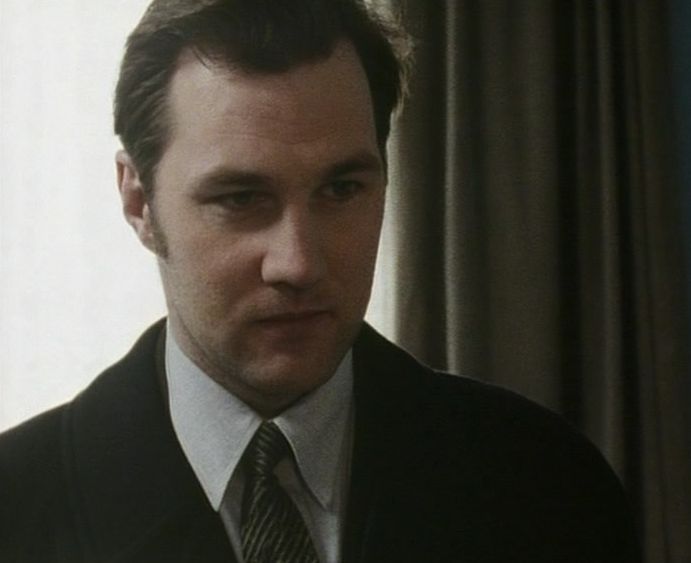
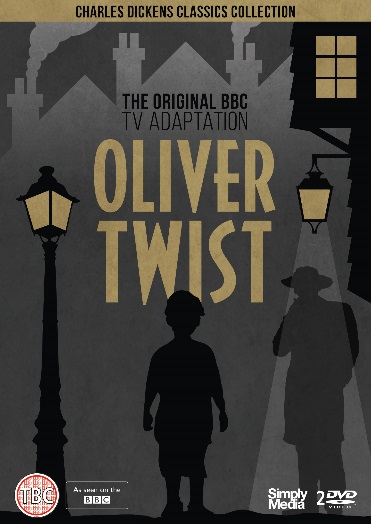
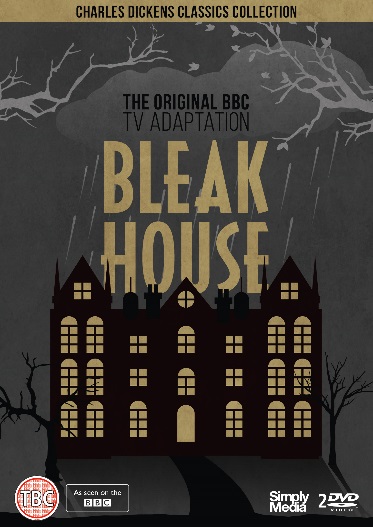
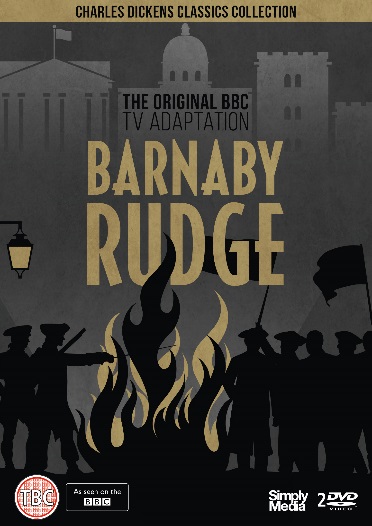
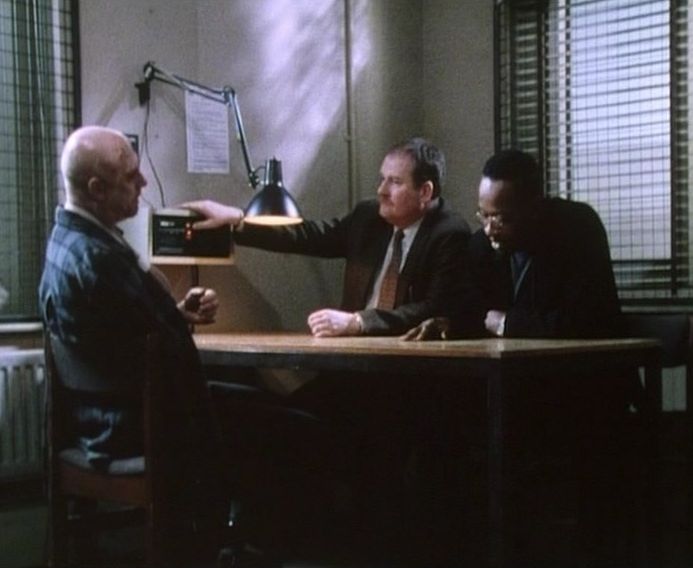
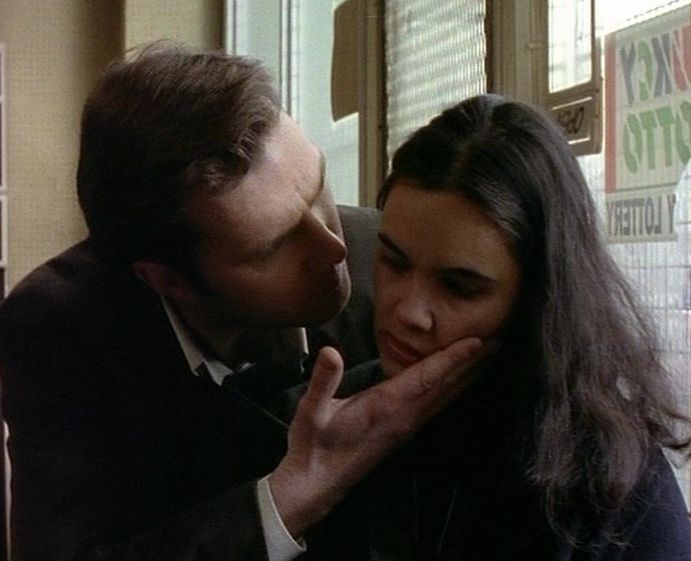
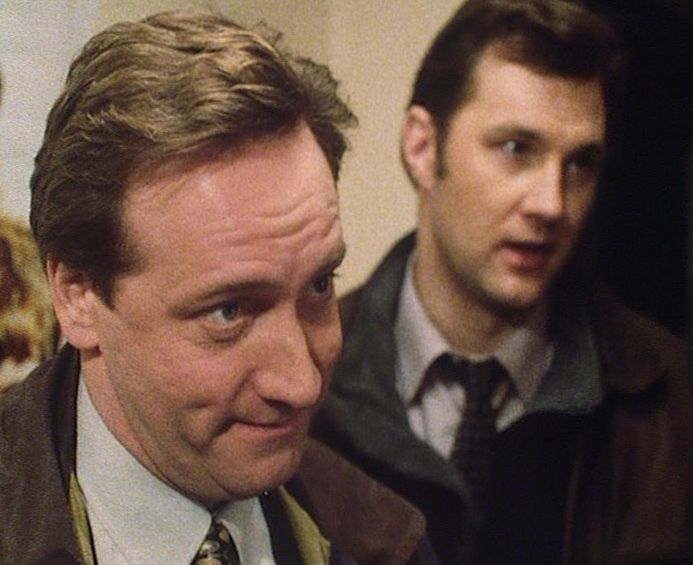
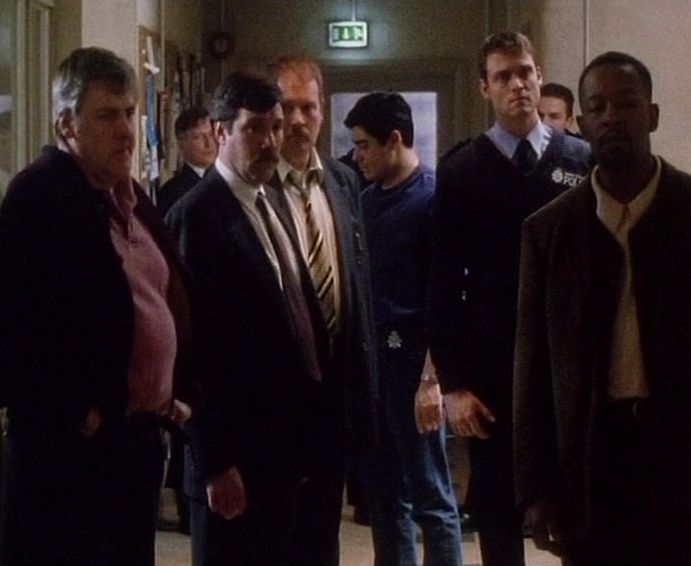
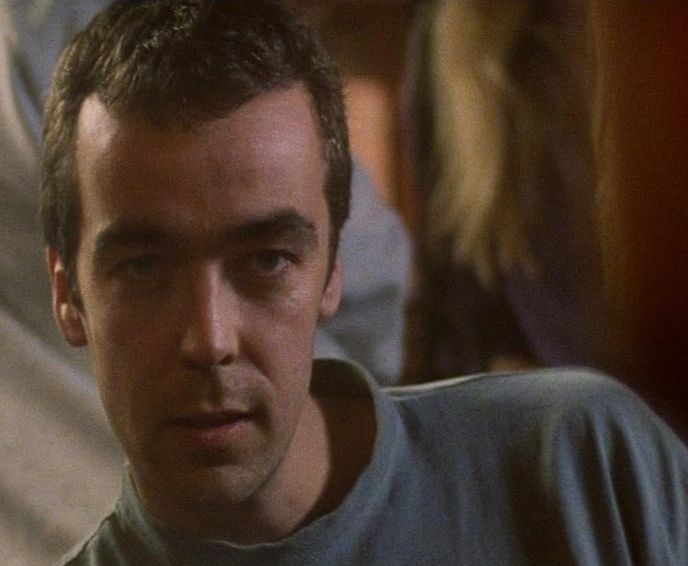
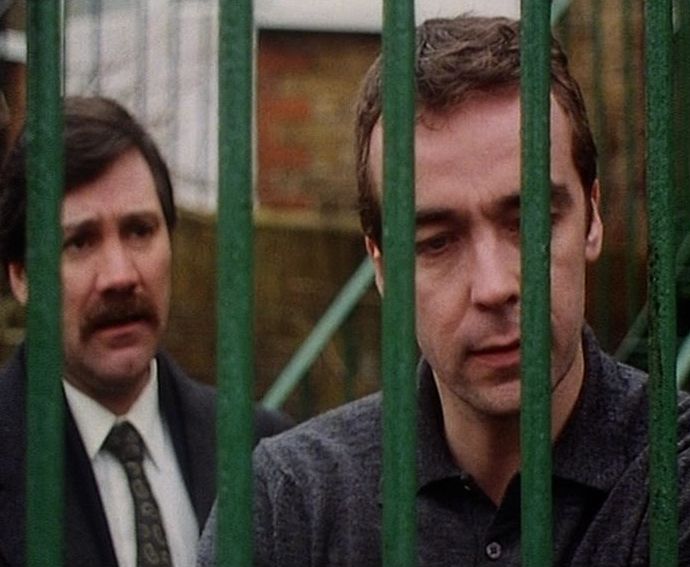
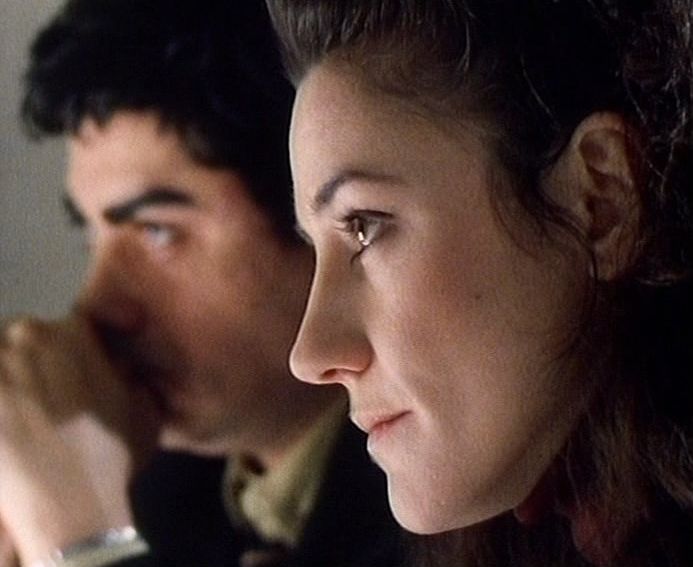
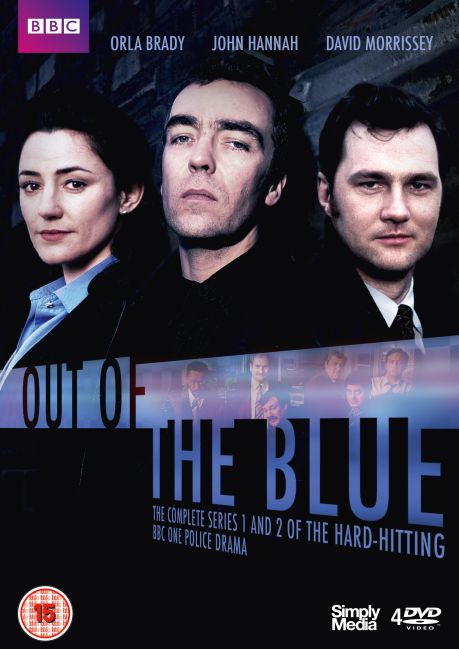


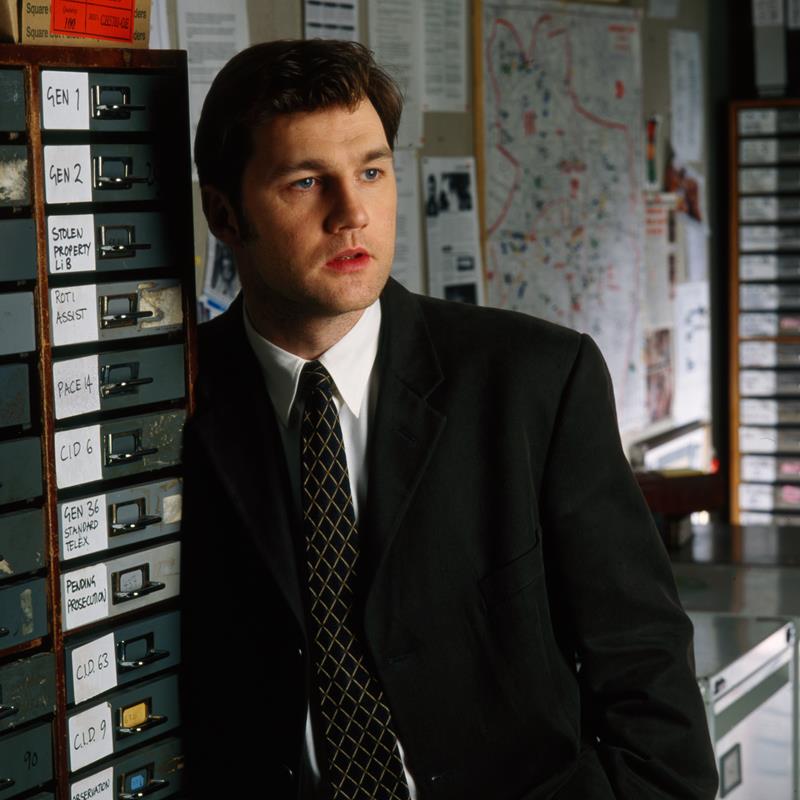
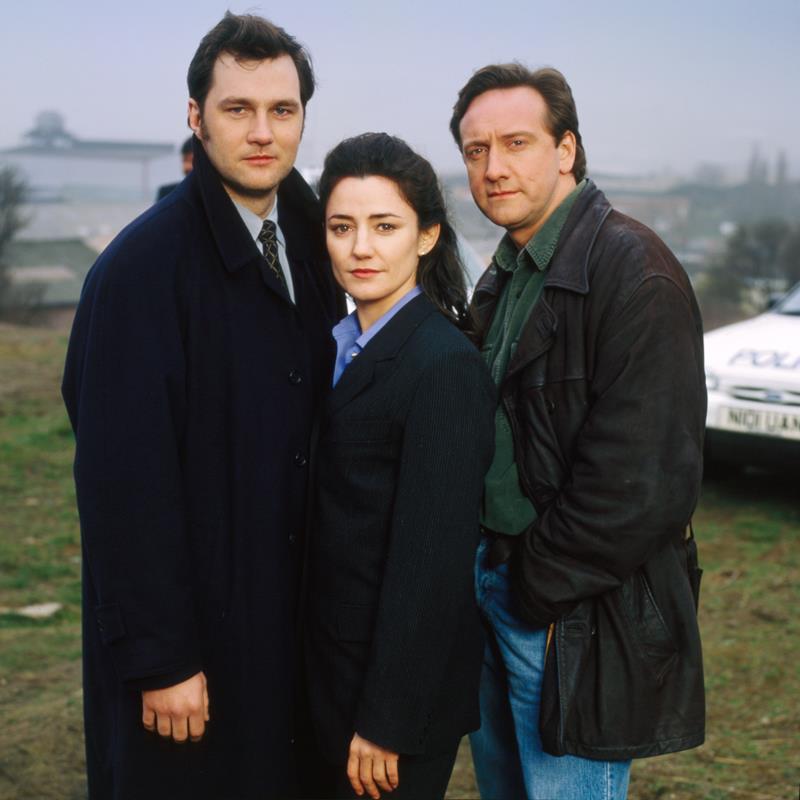
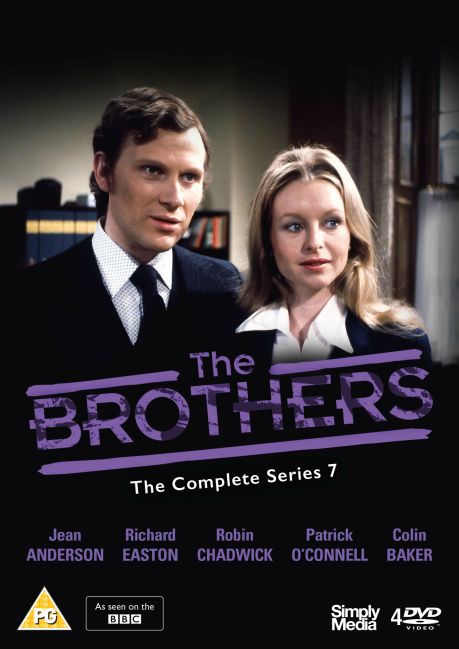
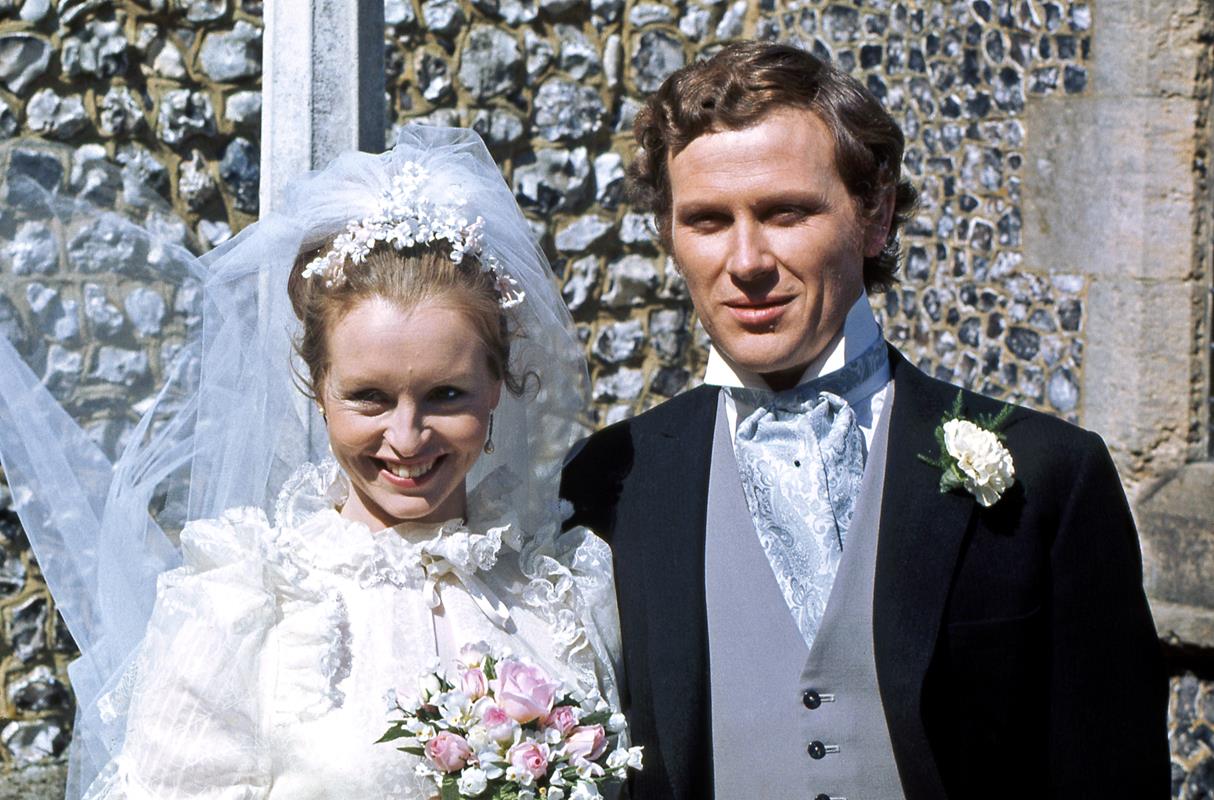
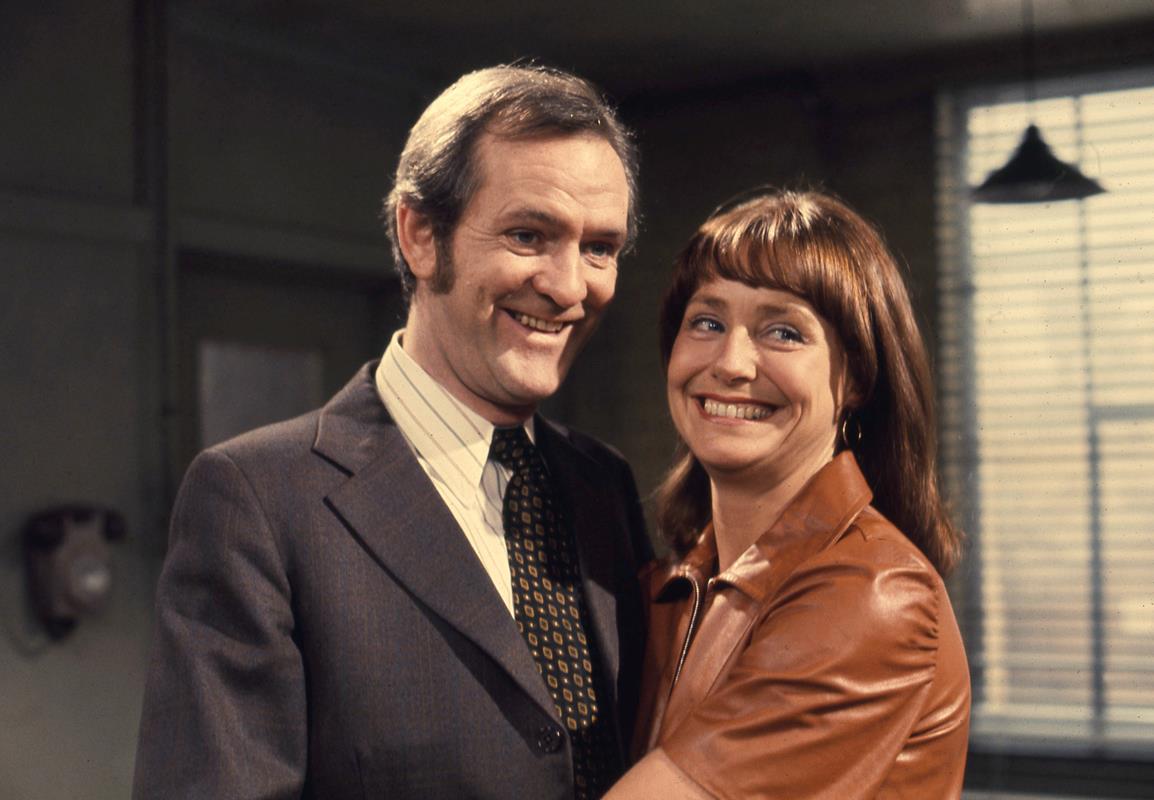
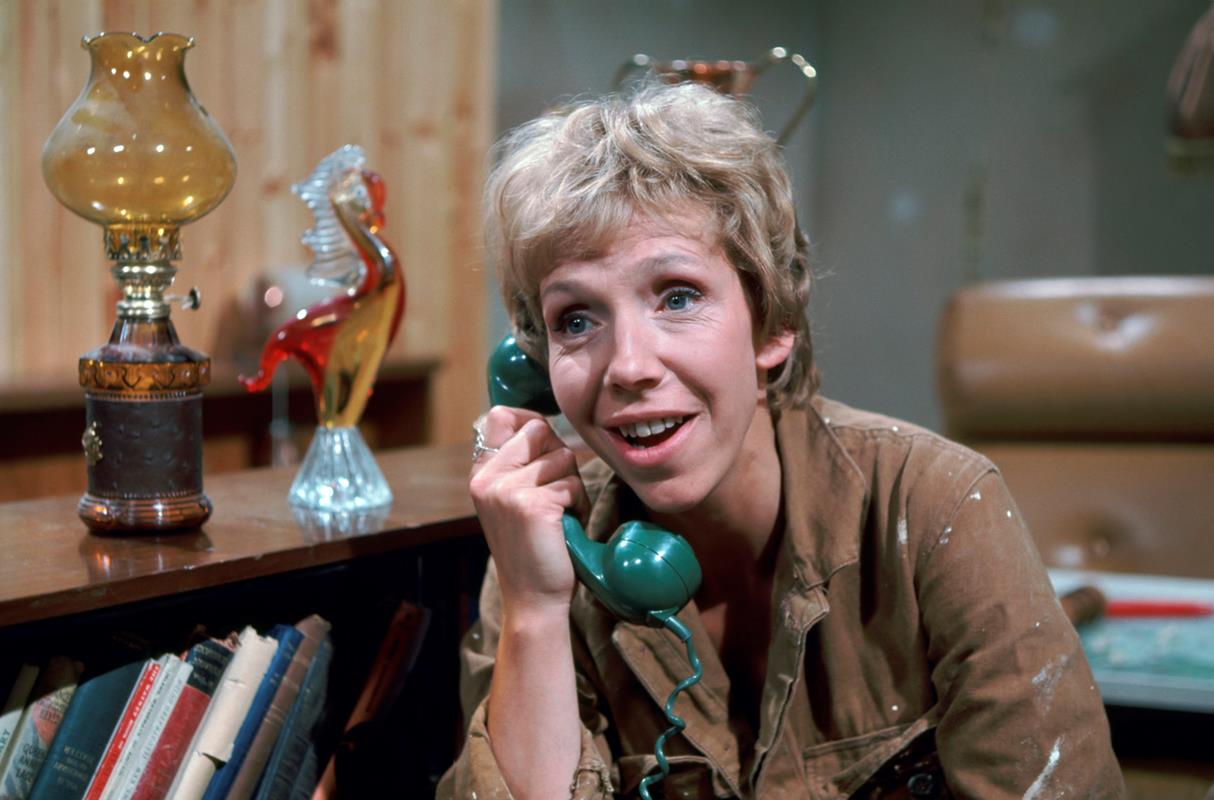
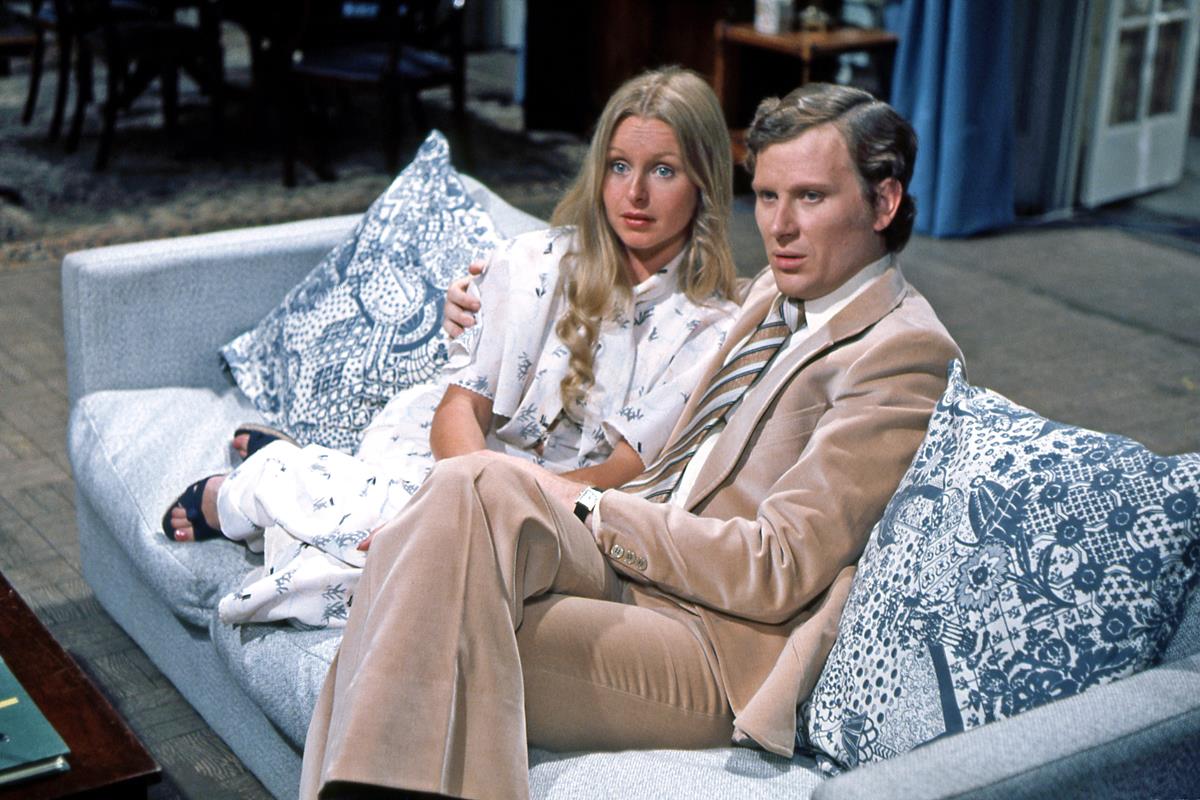
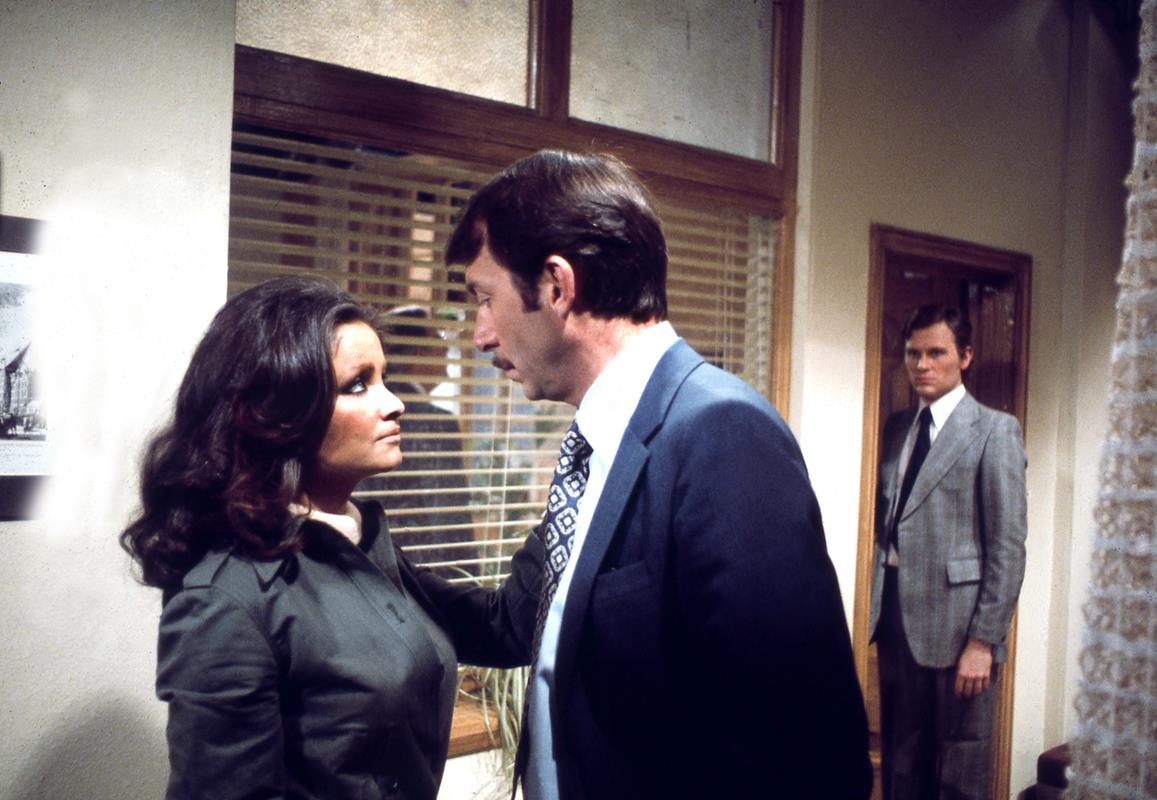
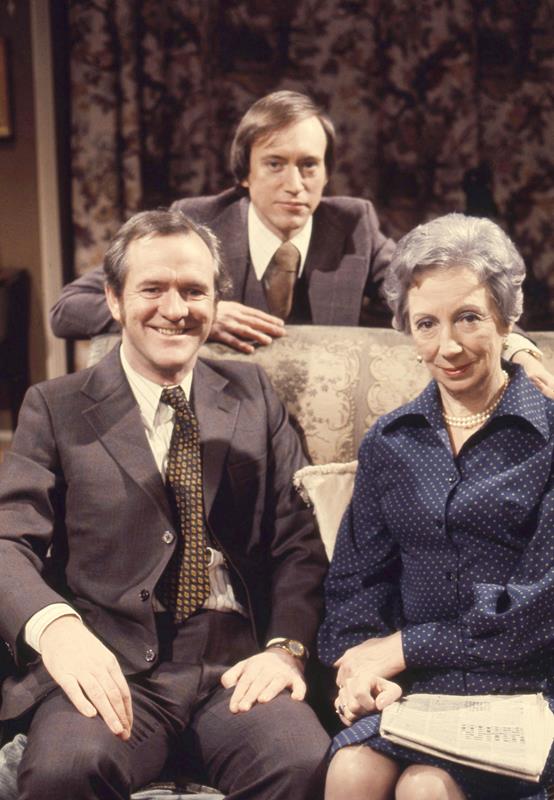


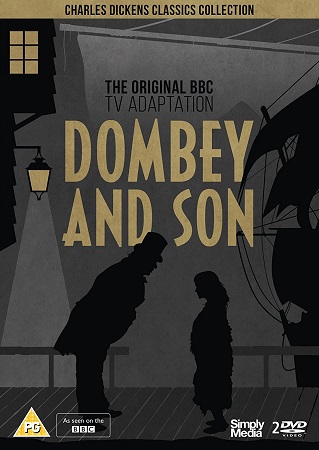

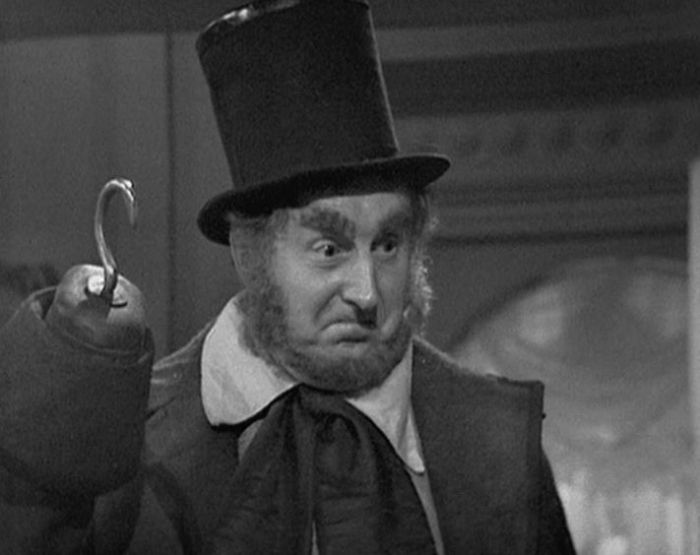
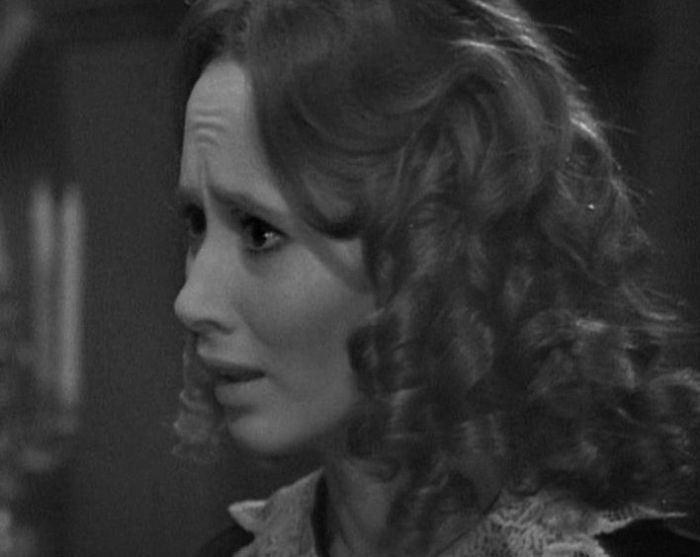
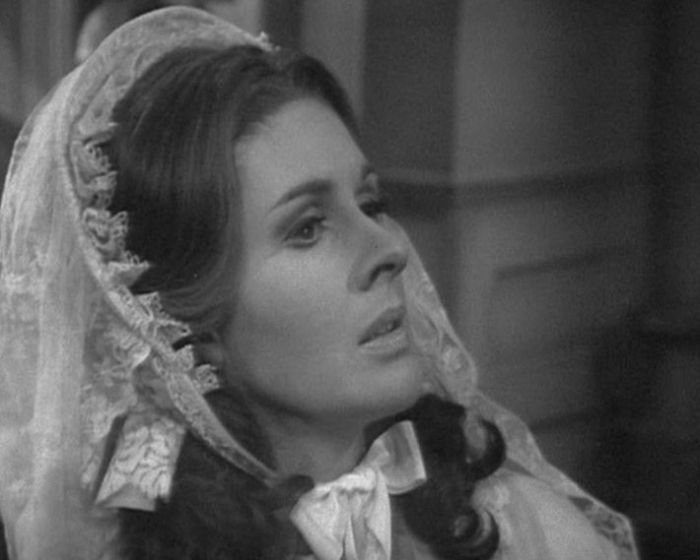
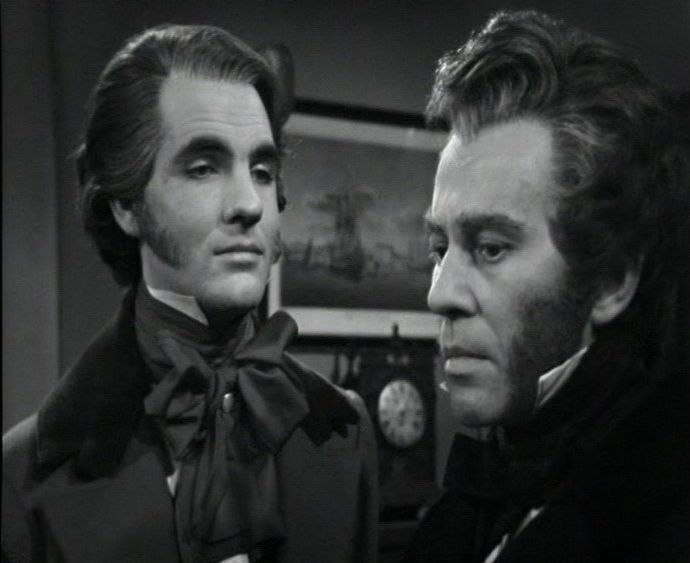


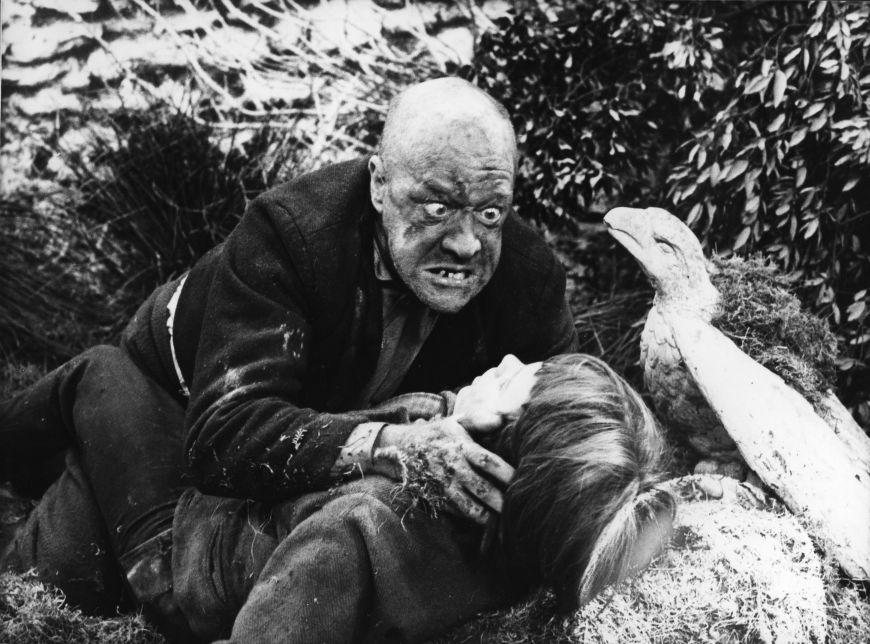
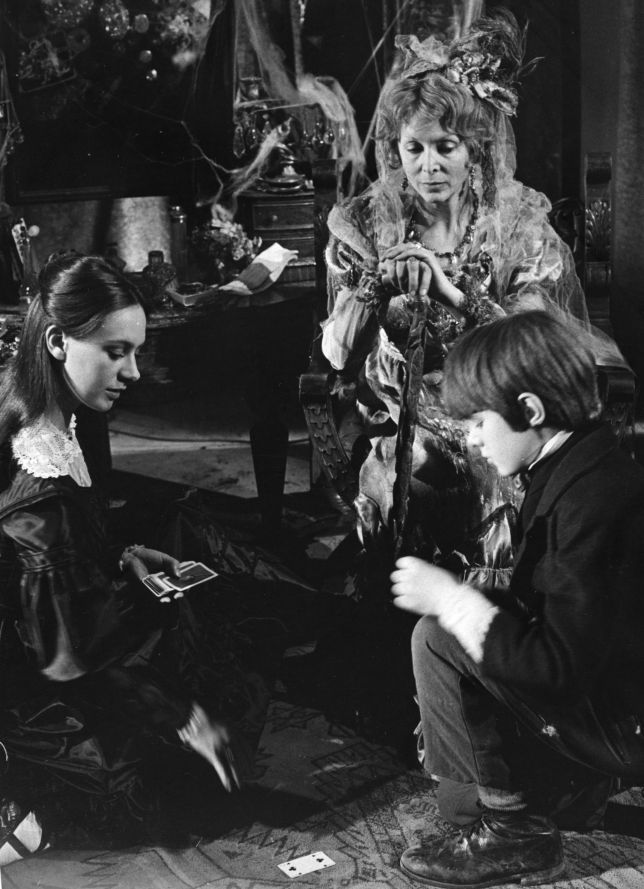
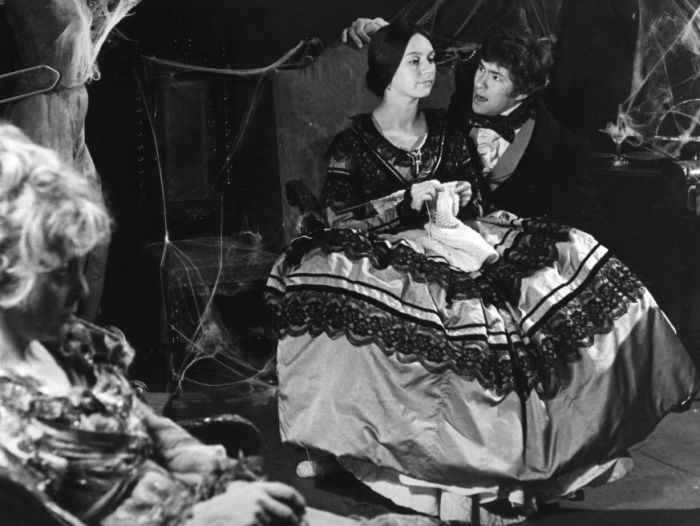


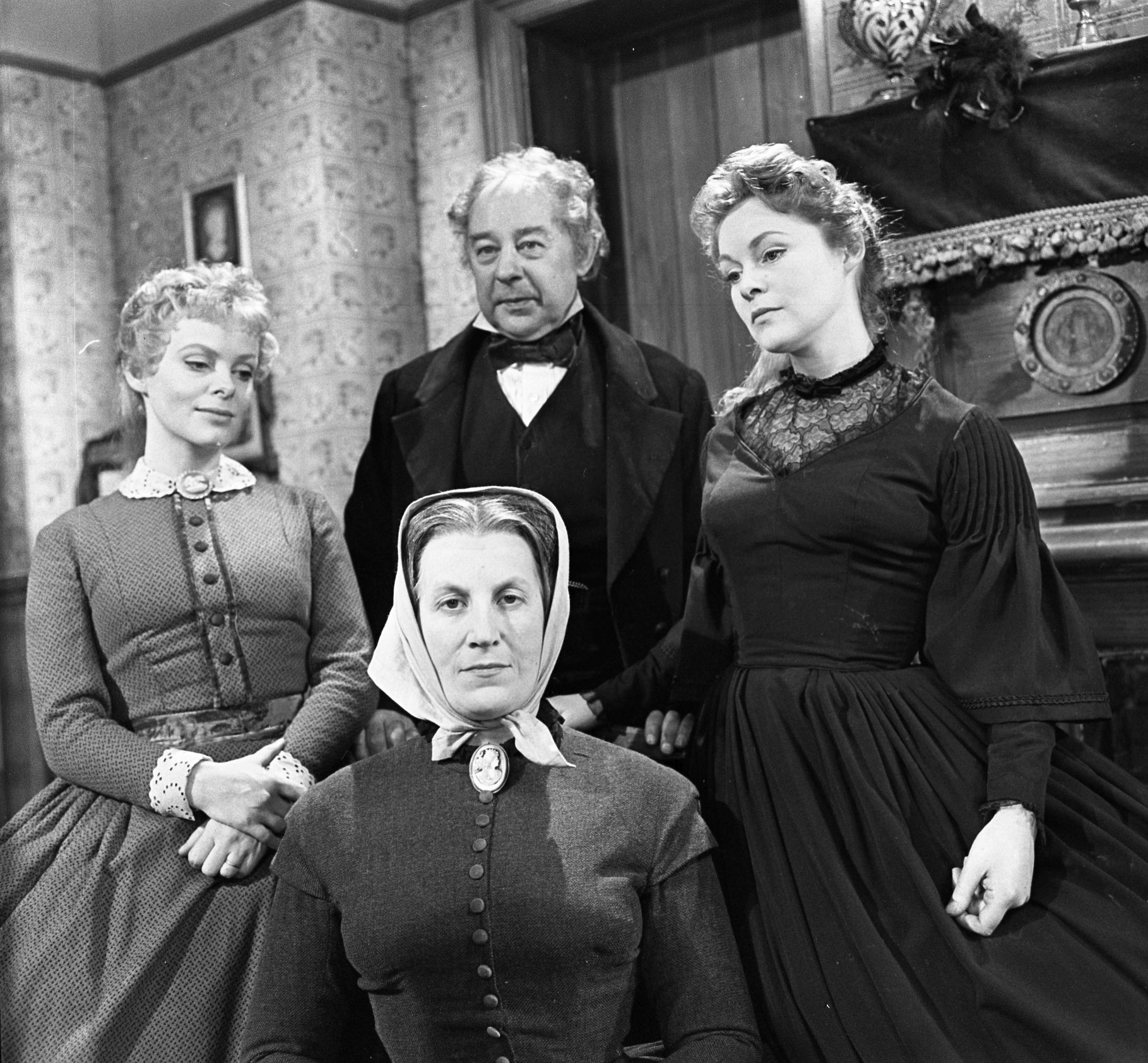
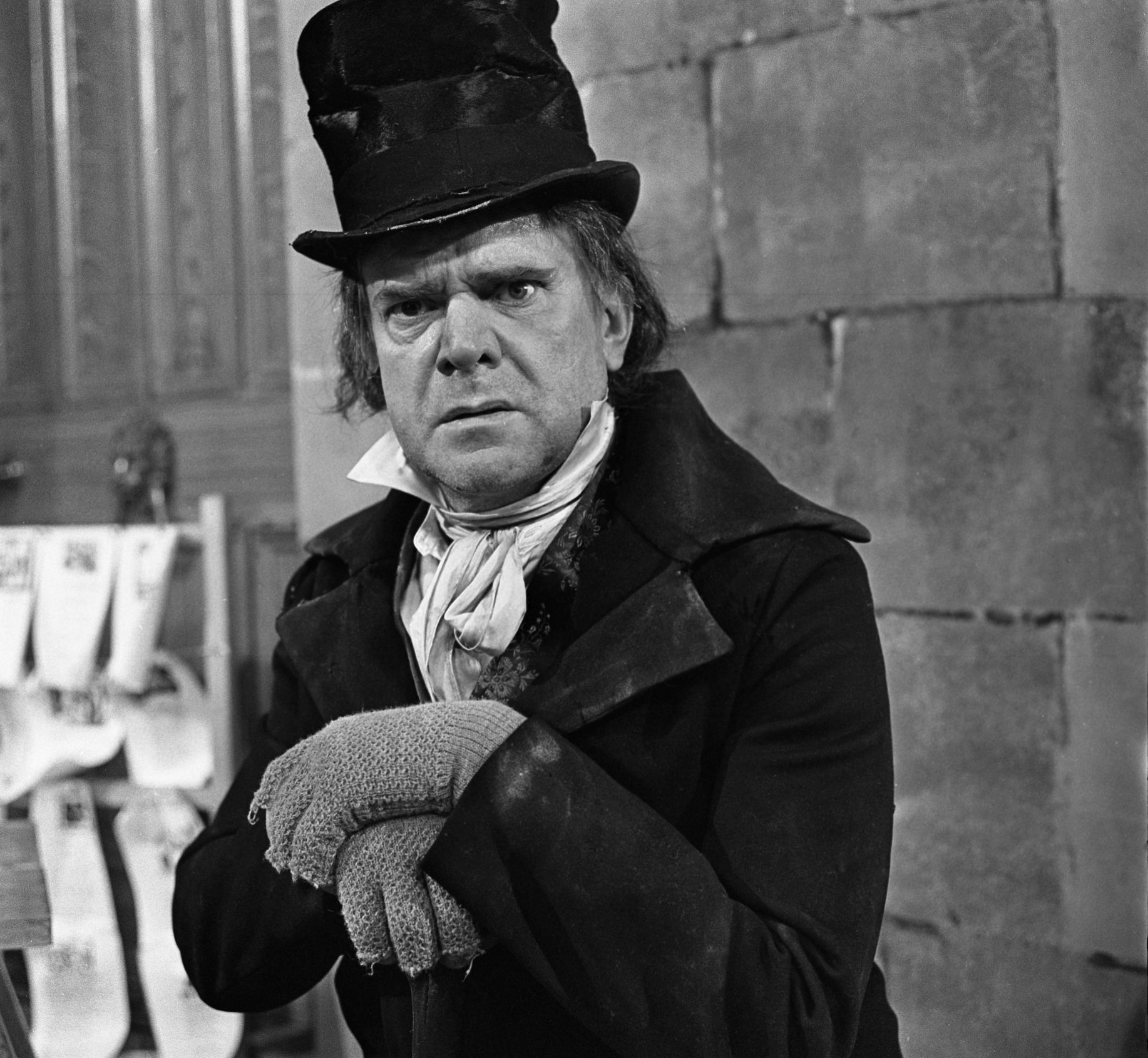
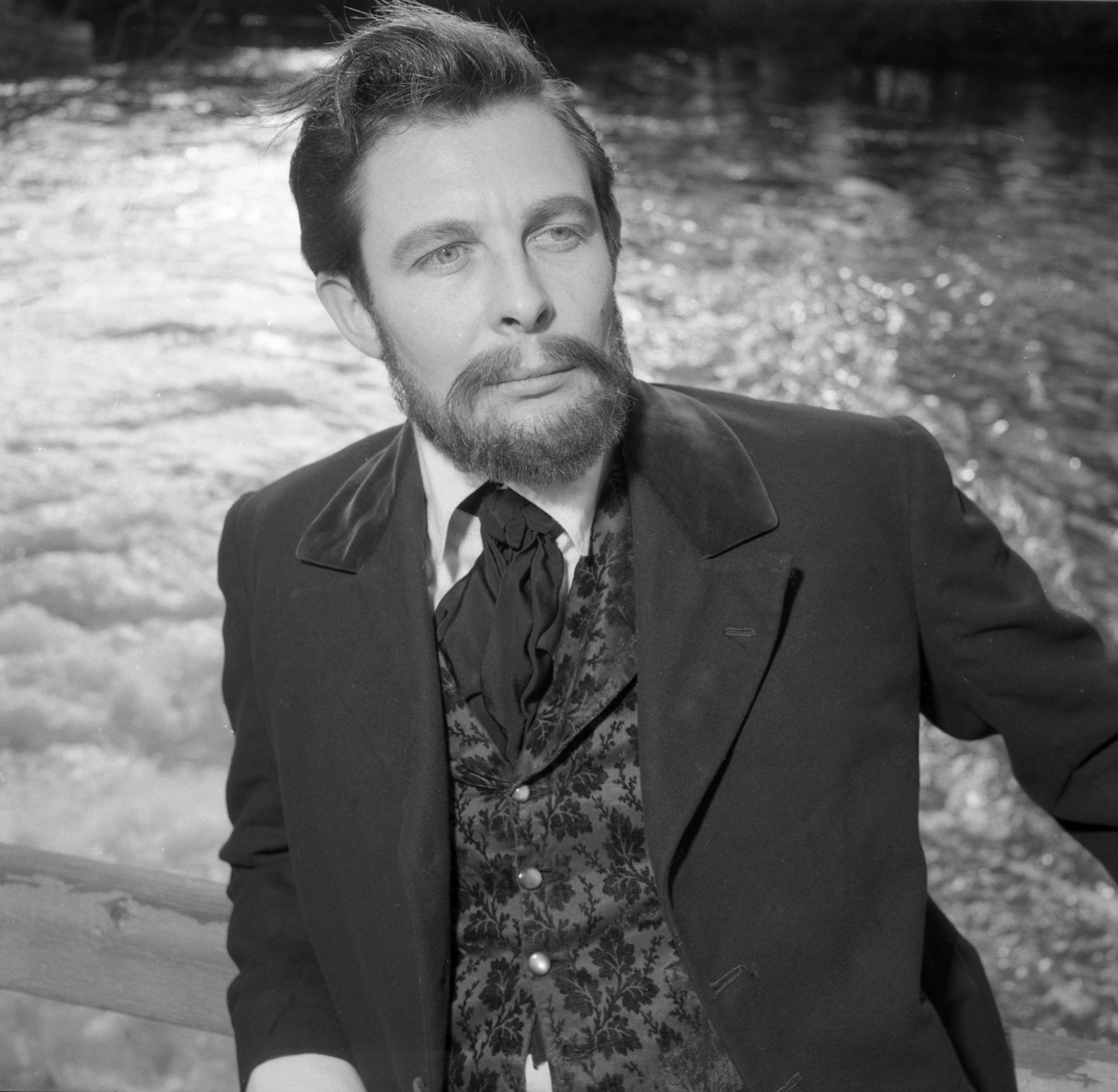
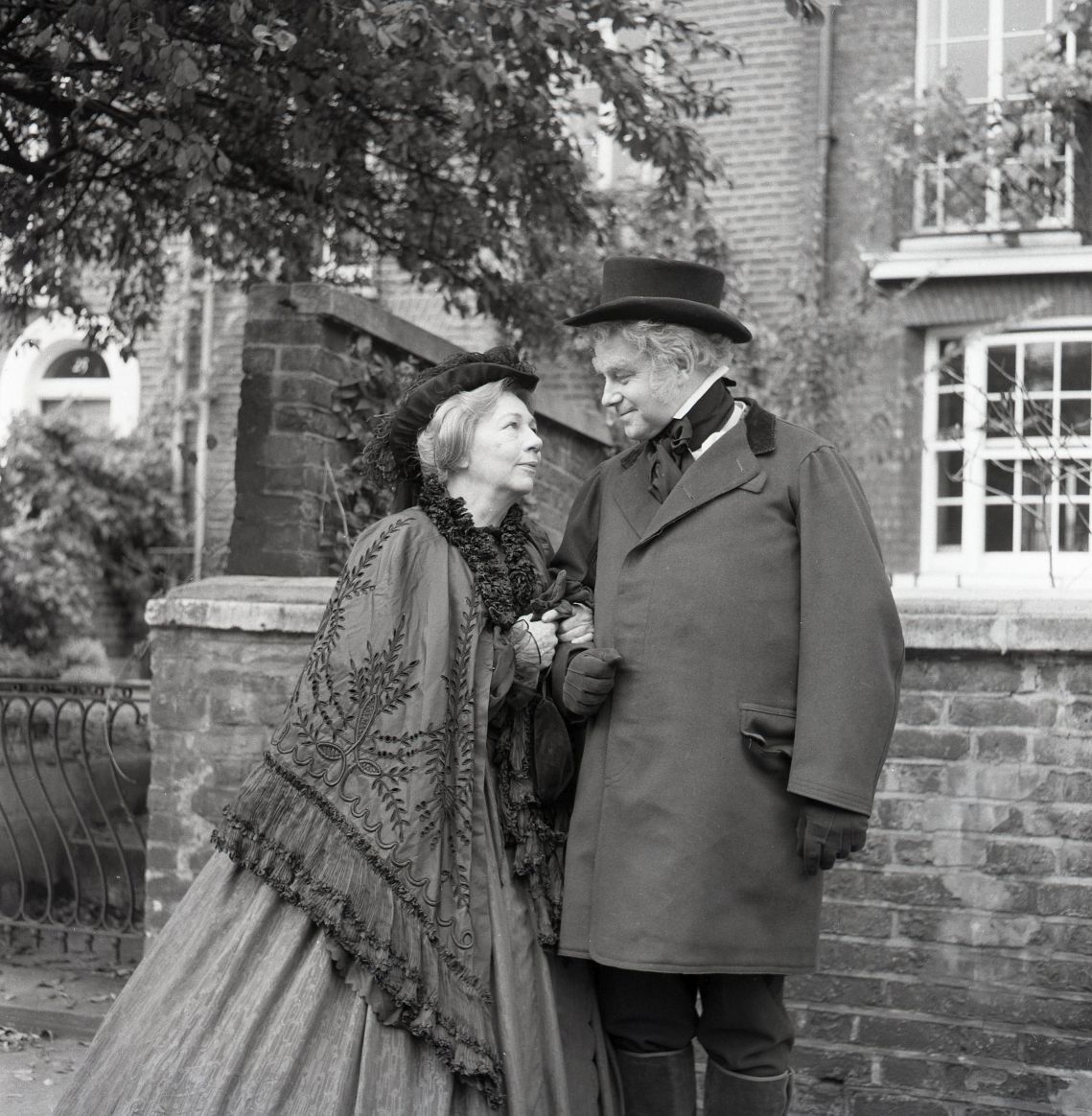
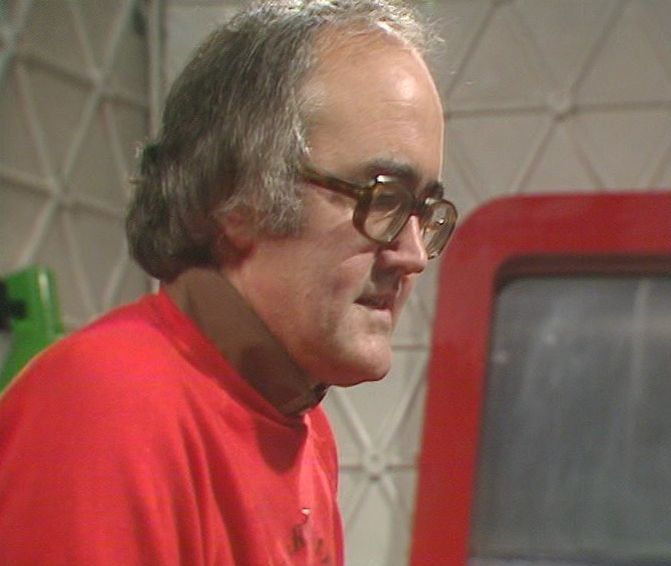


 Archive Television Musings