On this day (8th January)

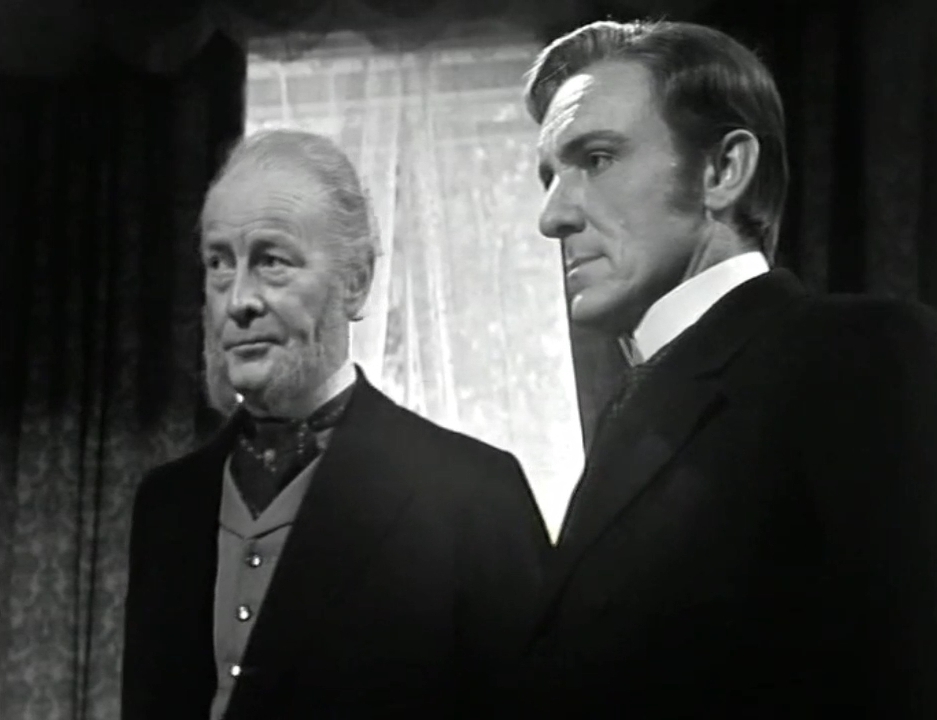
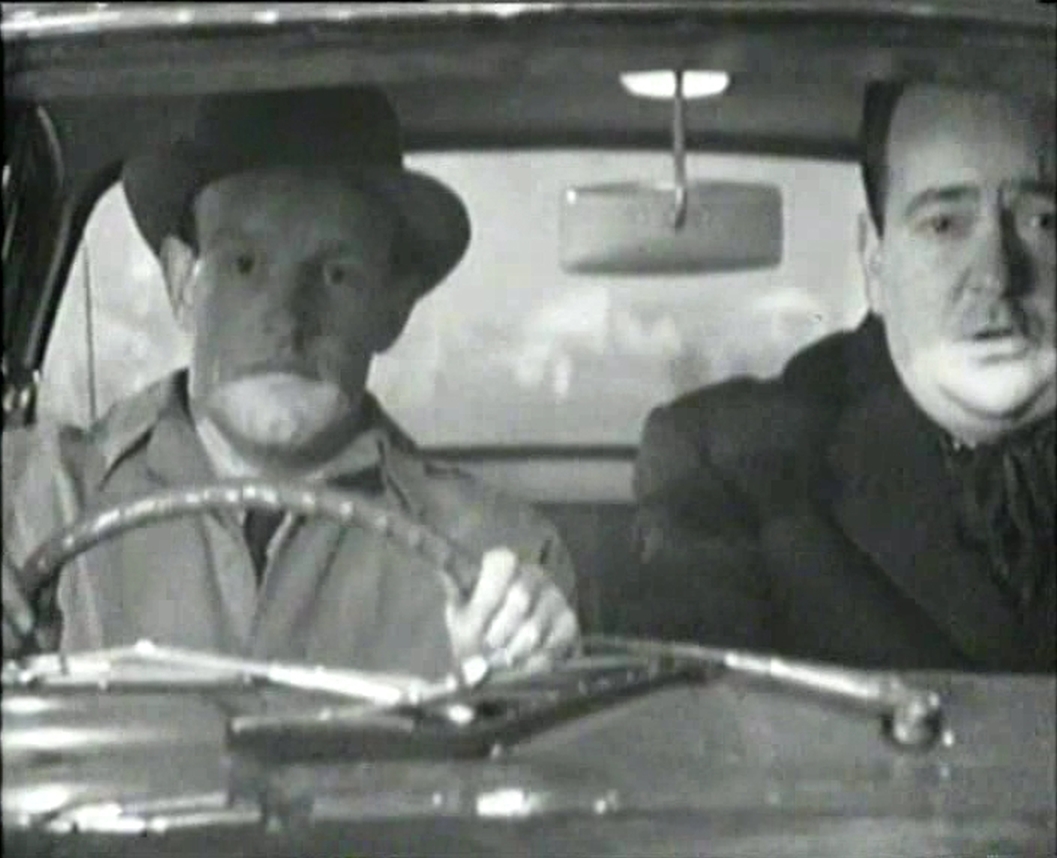
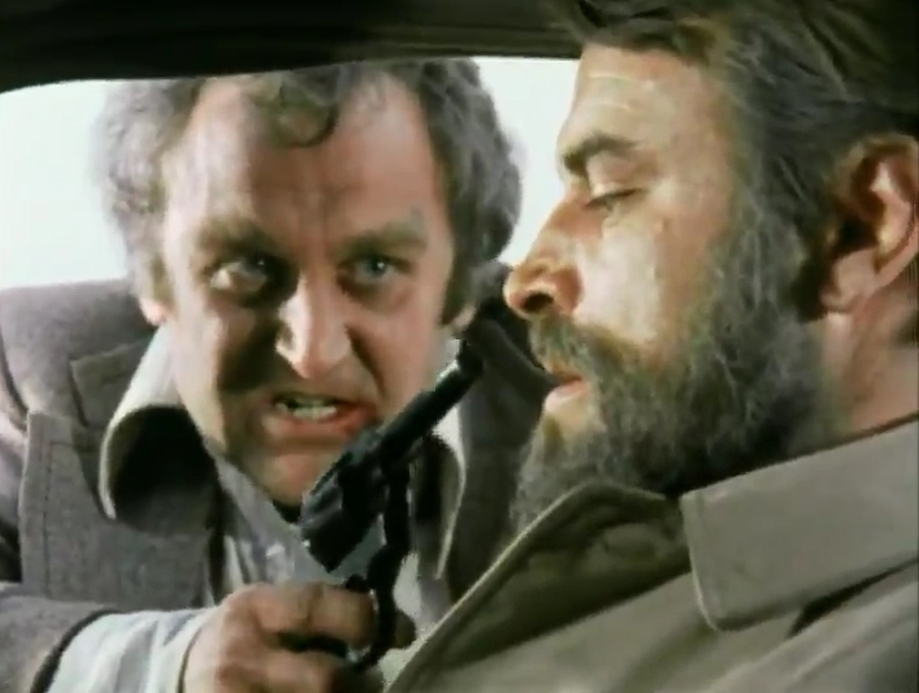
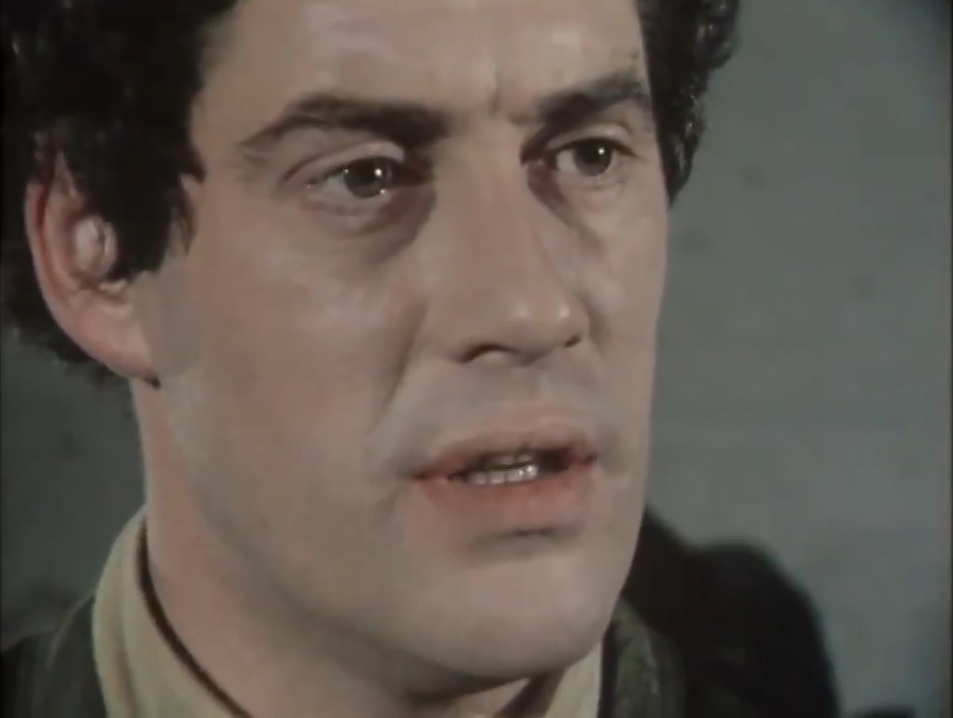
1937: The Removals Person, the first episode of Six Dates With Barker, was broadcast on ITV in 1971.

Although Six Dates With Barker doesn’t look to have been set up as a breeding ground for subsequent television series or film projects, three episodes did go on to have a life outside the series.

Spike Milligan’s The Phantom Raspberry Blower of Old London Town was revised and expanded for The Two Ronnies, The Odd Job by Bernard McKenna was developed into a film (with David Jason reprising his role and Graham Chapman replacing Ronnie Barker) and The Removals Person by Hugh Leonard was rehashed in 1988 by Ronnie Barker as Clarence.
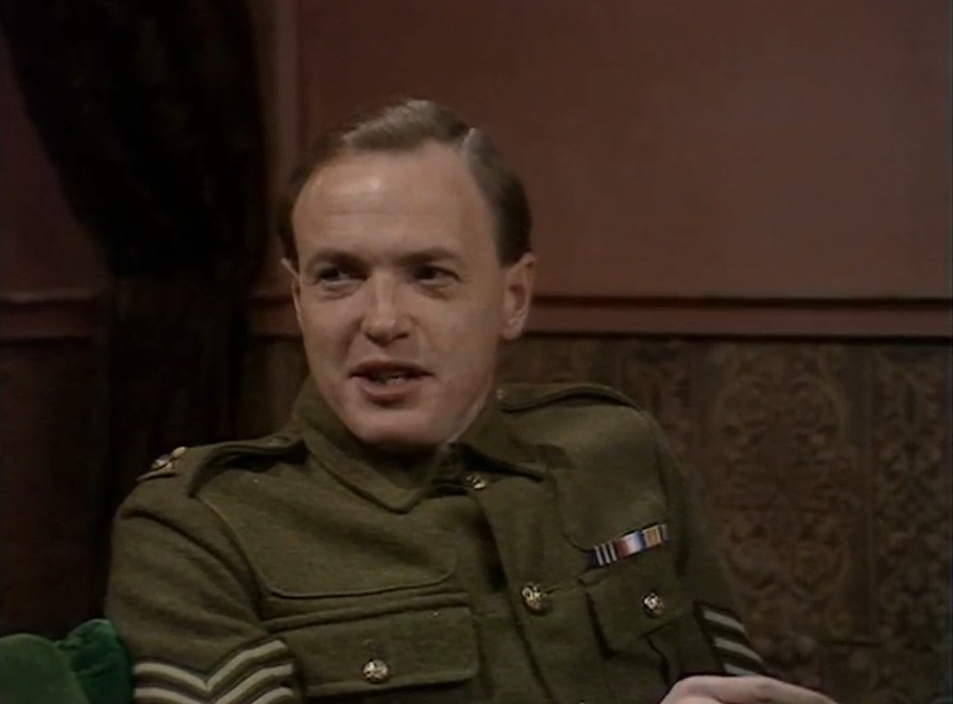
A Land Fit for Heroes and Idiots, the first episode of When The Boat Comes In, was broadcast on BBC1 in 1976.

Created by James Mitchell (and as far removed from Callan as you could imagine) When The Boat Comes In is one of those period programmes that’s aged very well.  Possibly series four (which aired in 1981, some three years after the series had apparently come to a conclusion) doesn’t quite match the earlier runs, but overall my impression is that it was always pretty consistent. Another one that I think I’ll add to the 2022 rewatch pile.
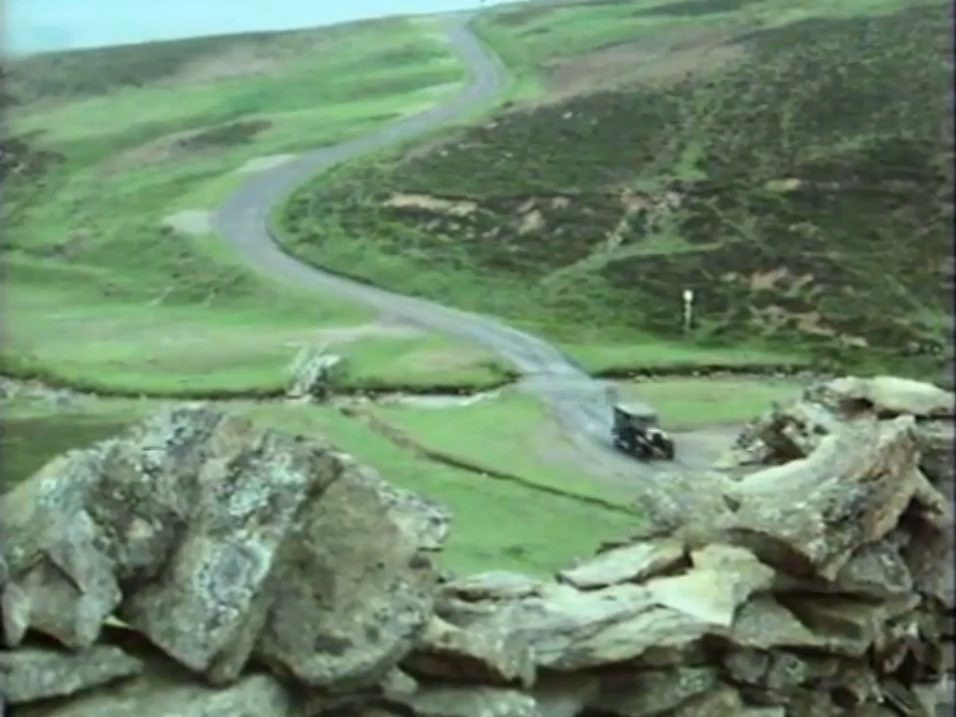
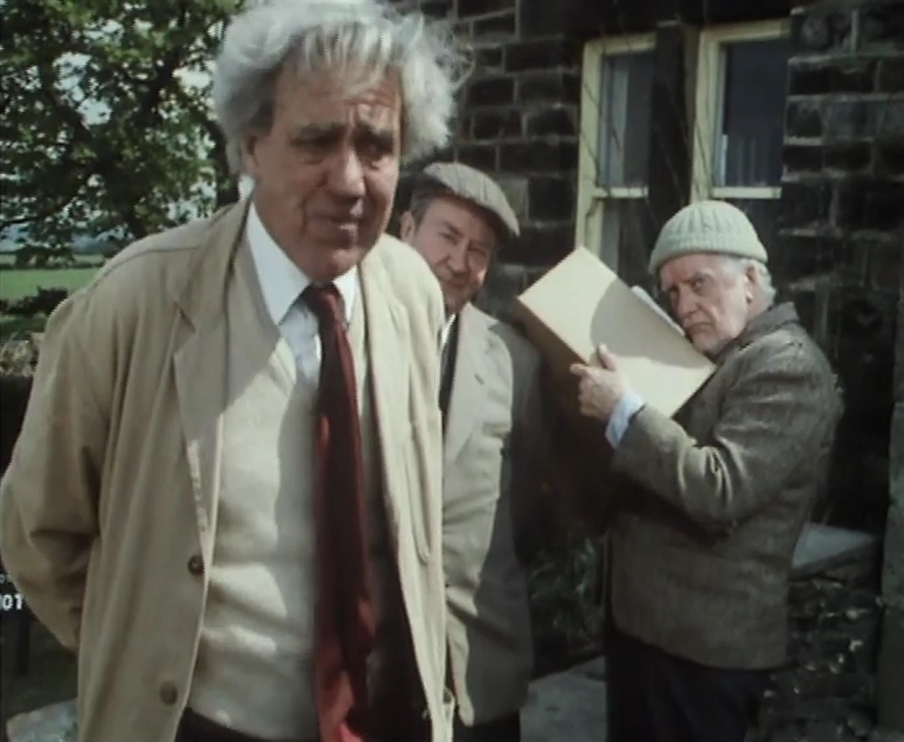
Horse Sense, the first episode of All Creatures Great and Small, was broadcast on BBC1 in 1978.

Perfect Sunday evening viewing (even though it began on Saturdays) this first television incarnation of All Creatures was as well cast as you could have possibly hoped for. It’s been a while since I’ve seen them all, so I’m tempted to consider a rewatch – although considering it’s only the 7th of January and I’ve already got a tottering rewatch pile, maybe I’ll hold off for a while ….
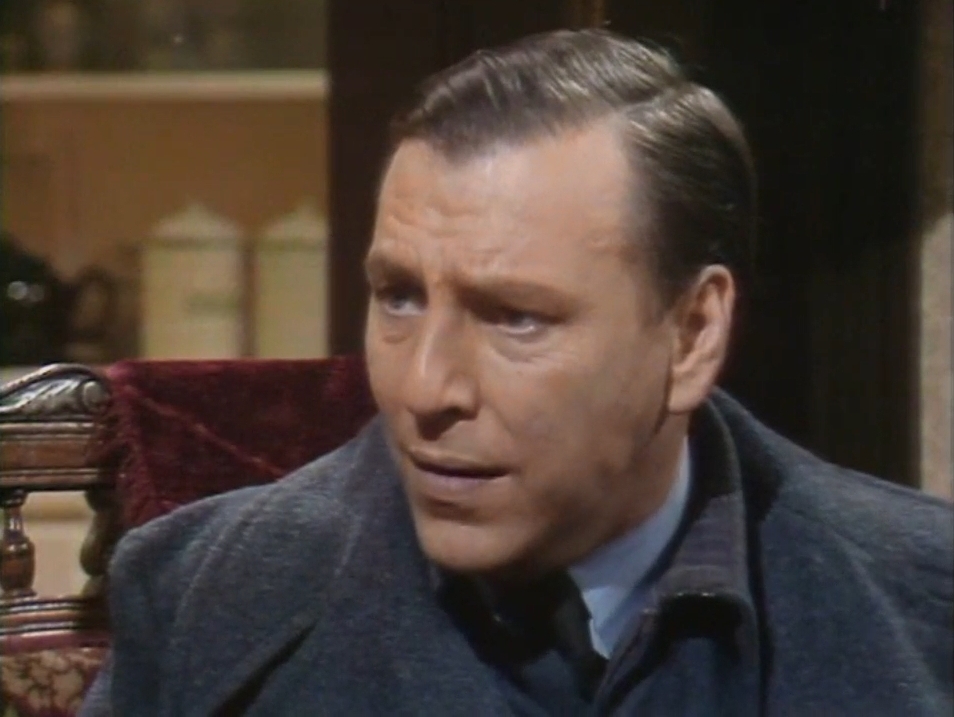
Hail the Conquering Hero, the first episode of Shine On Harvey Moon, was broadcast on ITV in 1982.

Something of a neglected gem, Shine On Harvey Moon was a series which featured a fine ensemble cast headed by Kenneth Cranham as Harvey.  Nicky Henson made a decent fist of the role when he replaced Cranham in the 1990’s revival, but he never displayed the same sparkle that Cranham always had.

The immediate post WW2 setting is an interesting one – a Britain of shortages and economies provides plenty of scope for both drama and comedy. In some ways this opening episode has a feel of When The Boat Comes In‘s debut, albeit with a much lighter tone.

It’s a pity that the DVD release of the early series was very comprised – originally airing in 25 minute episodes, they were re-edited into 50 minute form for the DVD release (losing large chunks of various episodes along the way).

A decent DVD re-release or another television rescreening (it turned up on the Yesterday channel a while back) would be very welcome.
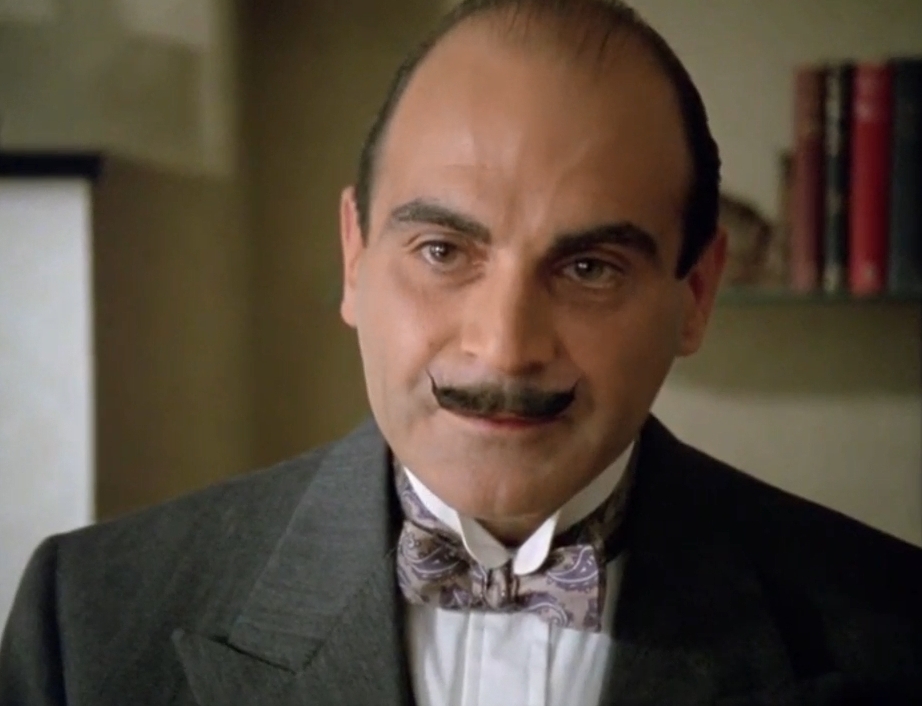
The Adventure of the Clapham Cook, the first episode of Agatha Christie’s Poirot, was broadcast on ITV in 1989.

It’s a funny thing, but back in 1989 I was impatient for the series to start tackling the novels and found these early adaptations of the short stories rather flimsy. Thirty years on, my opinion’s totally switched around (mainly because some of the tv versions of key novels – The Murder of Roger Ackroyd with the chase ending, say – rather tried my patience).

Many of the stories adapted for the first few series were originally published in the 1920’s in magazine form and were fairly brisk in terms of word count. That means that the adaptors have plenty of room to add incidental colour (mostly this works pretty well).

David Suchet is, of course, excellent as Poirot. In 1989 he might have been a little too young (and a little too slim, even with padding) but in all other respects he had the character of the little Belgian dandy nailed right from the start.
On this day (7th January)

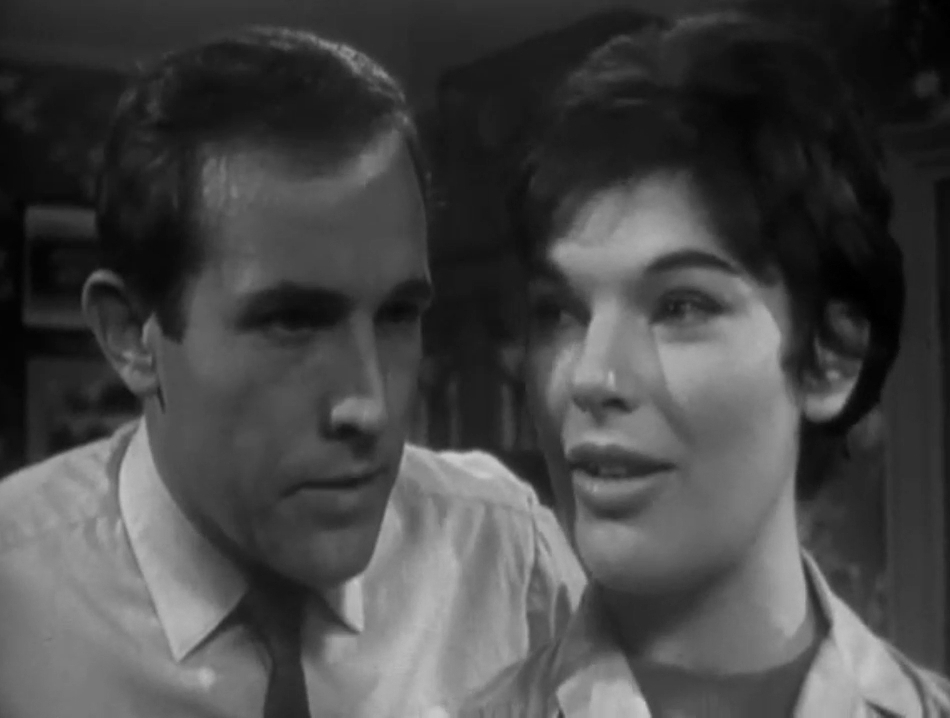
Hot Snow, the first episode of The Avengers, was broadcast on ITV in 1961.

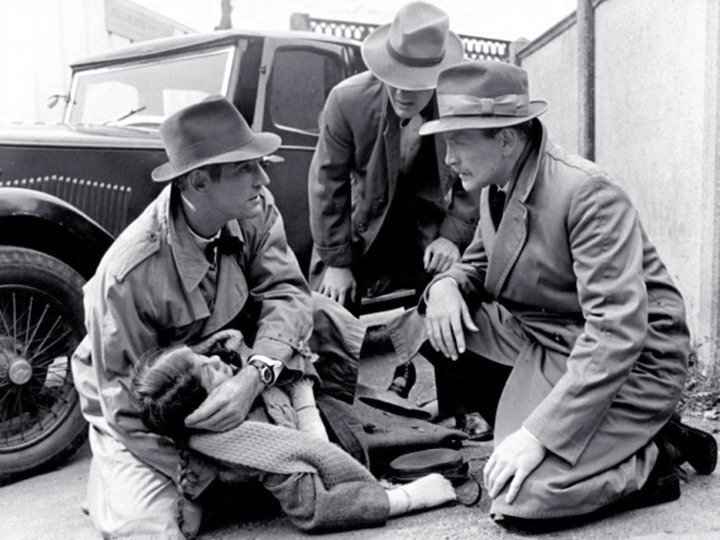
The surviving fragment of this debut episode gives us a tantalising glimpse into the birth of the series. Totally different of course from what was to come later – this is a straightforward crime story with ‘cor blimey guvnor’ bad guys and a good guy – Dr David Keel (Ian Hendry) – who’s yet to realise that he’s about to swop a medical career for a crime-fighting one.

There are various ways to sample most of the first series (Big Finish’s audio remakes, the camera scripts) but I wouldn’t be averse to a few more episodes turning up. Maybe one day.

The first edition of World in Action was broadcast on ITV in 1963.

Running for 35 years between 1963 and 1998, Network have released four volumes of World In Action on DVD and they’re all worth investigating. Right from the start the series had a brash, brisk approach which quickly got to the heart of each topic (this was necessary, since they usually only had 25 minutes to play with).

A Family Festival, the first episode of The Forsyte Saga, was broadcast on BBC2 in 1967.

This sprawling adaptation of John Galsworthy’s Forsyte novels was the brainchild of Donald Wilson and ran for 26 episodes during the first half of 1967. Ratings on BBC2 were fairly modest (only a fraction of the country could receive the channel at that time) but when it was repeated on BBC1 the following year it suddenly became a hot topic of conversation.

As the legends have it, pubs were emptied and church services went unattended as a nation were glued to each twist and turn every Sunday evening. How much truth there is in that I’m not sure, but it is easy to get hooked on The Forsyte Saga.

The cast is packed with talent, but Eric Porter’s performance as Soames has to be the highlight. Hero or villain? He’s both at different times of the story as Porter was able to give the character plenty of shade – Soames was never simply painted in black and white.

Given that this was a monochrome serial, we have to be thankful that it’s survived in full. Certainly worth checking out if you’ve never seen it before.

Also making their first appearances today – The Last of the Mohicans (1971, directed by David Maloney and featuring a mesmerising performance by Philip Madoc – albeit one that you wouldn’t see today), Telford’s Change (Peter Barkworth), Ripping Yarns, Wish You Were Here, Keep It In The Family and The Fourth Arm (one of Gerard Glaister’s less well known WW2 dramas).

On this day (6th January)

The first episode of Dick Barton was broadcast on ITV in 1979.

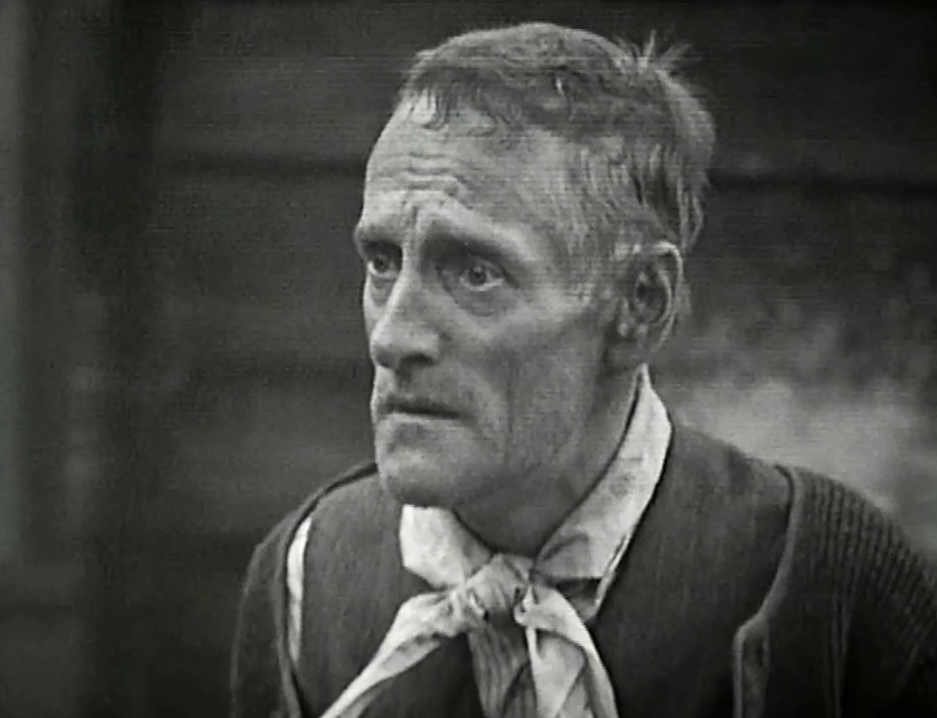
Tony Vogel is the square-jawed Barton, doing his best to deal with some beastly villains (foreigners naturally) whilst also rescuing the odd damsel in distress. Played entertainingly straight, Dick Barton has to be an oddity – offhand I can’t think of many UK drama series made in 15 minute episodes.

Swiftnick, the first episode of Dick Turpin was broadcast on ITV in 1979.

Two Dicks making their debut on the same day …

Richard O’Sullivan is good value as the dashing highwayman in Richard Carpenter’s extremely loose retelling of Turpin’s life and crimes. It’s easy to see this as something of a training ground for Carpenter’s next outlaw based series (Robin of Sherwood) although the fact each episode only runs for 25 minutes does mean that there’s not much time to develop characters and stories.

Michael Deeks no doubt got some teenage hearts fluttering as Swiftnick whilst Christopher Benjamin (Sir John Glutton) and David Daker (Spiker) both seem to be enjoying themselves as the villains.

A pity that the film prints are so mucky, but – notwithstanding the series’ brisk running time – Dick Turpin still entertains today.

What I Don’t Understand Is This …, the first episode of The Beiderbecke Affair, was broadcast on ITV in 1985.

Alan Plater’s serial is one that I’ve rewatched a fair few times over the years and it still shows no sign of losing its sparkle. Which no doubt has something to do with the combination of that cast (James Bolam, Barbara Flynn, Terence Rigby, Dudley Sutton, etc) and that script.

The two sequels are also watchable, but never quite hit the heights of Affair.

The Dead of Jericho, the first episode of Inspector Morse, was broadcast on ITV in 1987.

I’ve always been rather fond of the opening sequence in which Morse (very briefly) seems to be channeling Jack Regan. Was this done deliberately in order to wrong foot the viewers about the type of series this was?

The format of Morse would point the way ahead for the next generation of television policeman, many of whom were also given a generous two hours to solve each crime. This wasn’t always a good move though (indeed, some of Morse’s later adventures would have been twice as good had they been half as long).

The early episodes, based on Dexter’s books, are all pretty strong though. Mind you, a fair amount of retooling has been done – the less charming aspects of Dexter’s Morse (such as his lechery) were excised, so anyone who reads the books after watching the series tends to have something of a shock.

The Dead of Jericho is a convoluted tale, which makes it surprising that it was chosen as the lead-off story. But Anthony Minghella’s adaptation captures the essence of the original and the guest cast (including James Laurenson, Gemma Jones and Patrick Troughton) all impress.

Today’s a busy day for television debuts – as there’s also the likes of Mr Aitch (the wiped and forgotten Harry H. Corbett sitcom written by, amongst others, Galton & Simpson and Clement & La Frenais), Rentaghost, The Shadow of the Tower, Alice In Wonderland (1986, Barry Letts overdosing on CSO), The Shillingbury Tales and Hannay.

On this day (5th January)

Comedy Playhouse – The Offer was broadcast on BBC Television in 1962

Happy 60th Birthday to The Offer (sadly it’s the only surviving episode from that first series of Comedy Playhouse). Steptoe & Son lost something of its original edge as the years went on, but here the picture it paints is a chilling one. Although there are laughs along the way, the feelings of pain, resentment and claustrophobia are ever present.

The ending – Harold, after proving himself unable to summon up the will to break free, has to be led whimpering back inside by a visibly shaken Albert – still packs a real punch today. Galton and Simpson always said that this was a key moment for them – the realisation that actors, unlike comics, were more than happy to milk the script for every dramatic moment (rather than worrying about where the next laugh was coming from).

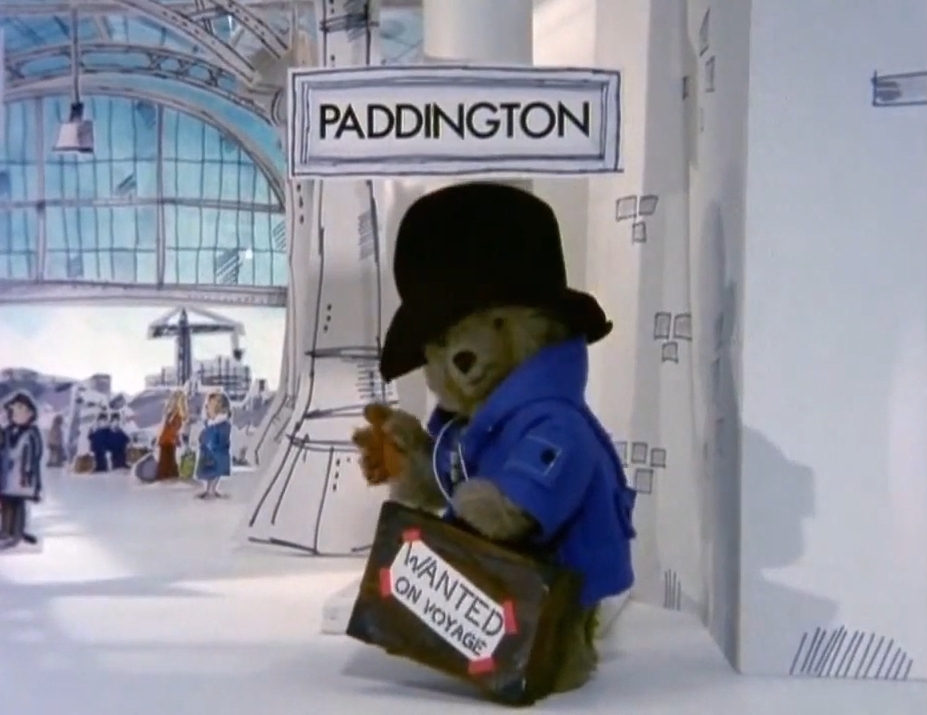
The first episode of Paddington was broadcast on BBC1 in 1976.

I still find this a very moreish series – with each episode running for only five minutes it’s easy to breeze through a number of them quite easily. The decision to make Paddington a 3D puppet interacting with cardboard cutout people was inspired (as was the choice of Michael Hordern as narrator).

I’d recommend tracking down the 1980 special in which Paddington recreates Gene Kelly’s dance routine from Singin’ In The Rain.  It’s an impressive piece of work which copies Kelly’s steps very closely.

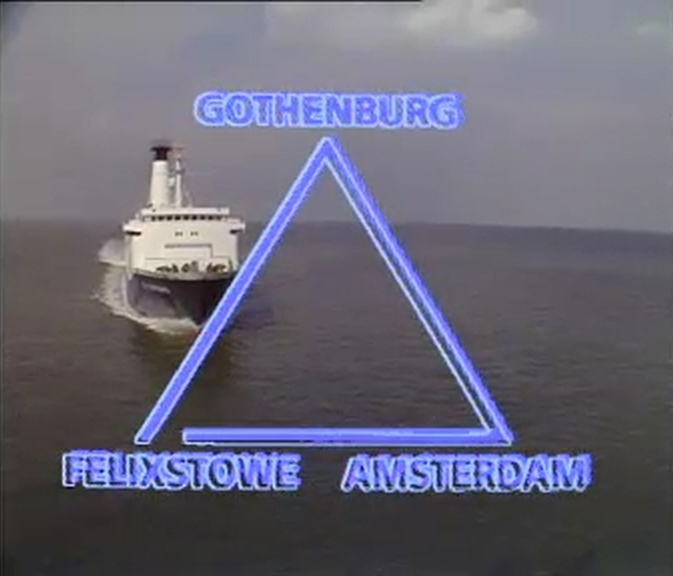
The first episode of Triangle was broadcast on BBC1 in 1981.

Following the end of the original run of All Creatures Great & Small, producer Bill Sellars moved onto this well remembered (although not for good reasons) project. The series never really recovered from its opening few minutes which depicted Kate O’Mara sunbathing in very adverse conditions.

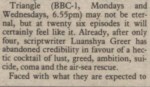
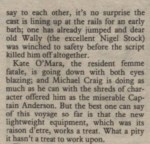
The Stage’s review of the early episodes makes for agreeably waspish reading.

There’s nothing wrong with the cast – in addition to O’Mara you can see the likes of Michael Craig, Larry Lamb and Nigel Stock – but I’ve not yet been able to get beyond the first few episodes. Maybe 2022 will be the year that I finally stiffen my resolve and tackle it. If so I’ll report back …

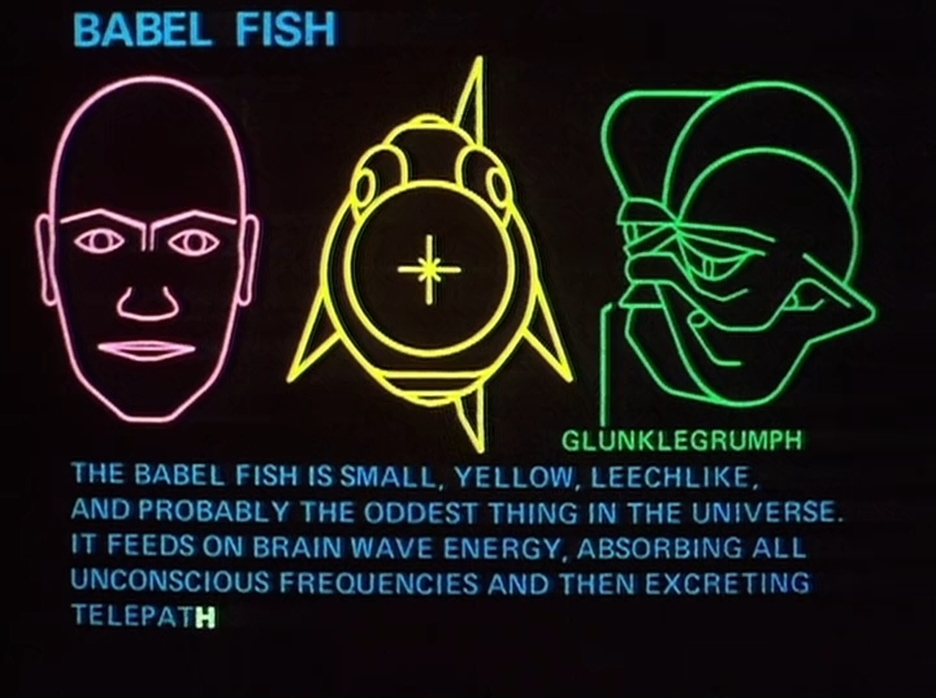
The first episode of The Hitch-Hikers Guide to the Galaxy was broadcast on BBC2 in 1981.

What a day the 5th of January 1981 was. Not only Triangle, but also The Hitch-Hikers Guide to the Galaxy. Whilst the radio series has to be every right-thinking person’s first choice, the television series had aged very well. Yes, some of the special effects may be showing their age but the animations by Rod Lord and his team are still mind-bogglingly impressive 40+ years on. Time for another rewatch I think.

On this day (4th January)

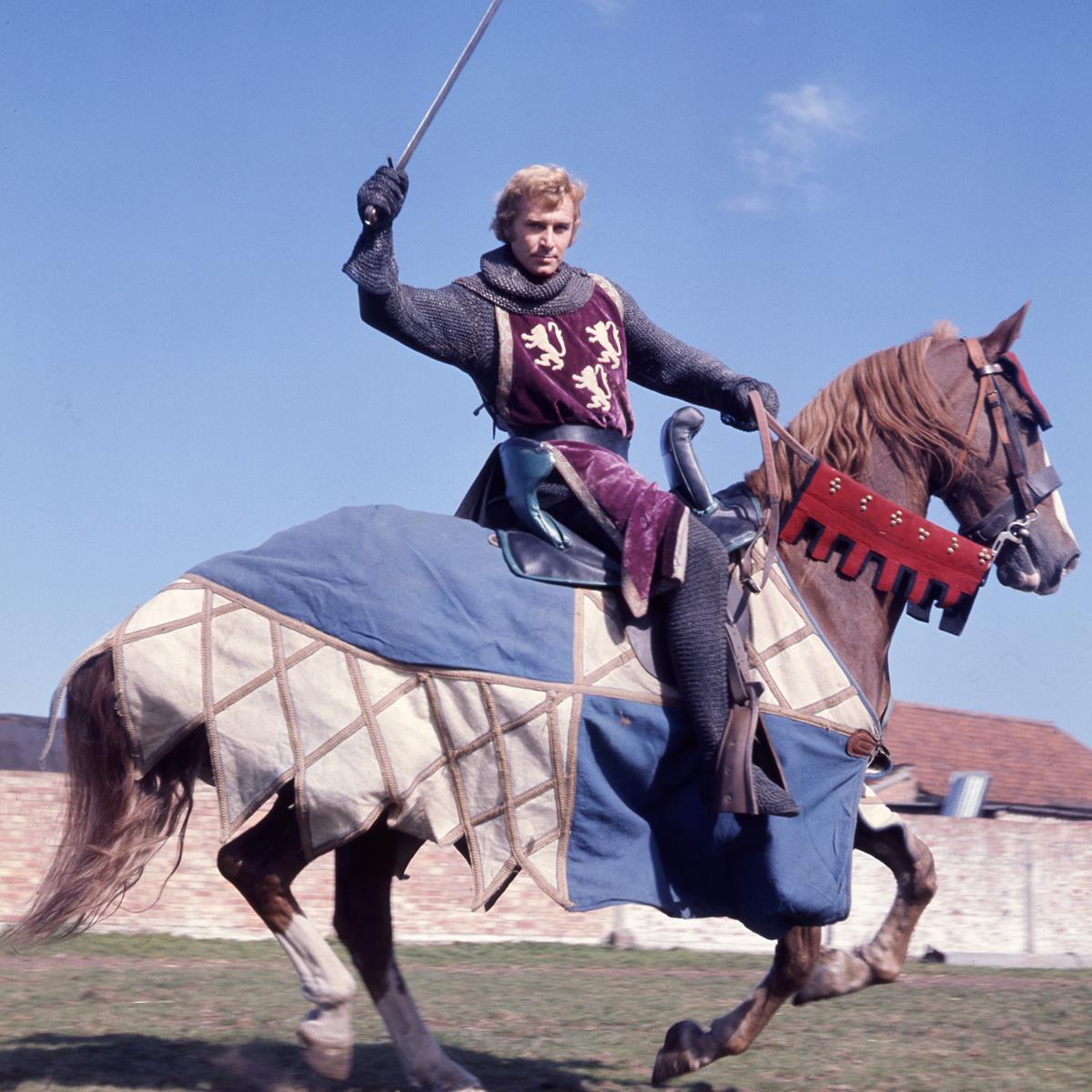
The first episode of Ivanhoe was broadcast on BBC1 in 1970.

Adapted by Alexander Baron in ten parts, this Classic Serial was directed by David Maloney, so you can expect to see plenty of familiar faces (such as Graham Weston, John Franklyn-Robbins, Hugh Walters, Tim Preece, Bernard Horsfall and Noel Coleman) filling out the cast.

Eric Flynn cuts a dash as Ivanhoe with the always dependable Anthony Bate as his nemesis, Sir Brian de Bois Guilbert. Vivian Brooks and Clare Jenkins supply the female interest.
Released on DVD by Simply Media in 2017, I reviewed it at the time and it’s still an enjoyable watch – albeit with the usual strengths and weaknesses of the Classic Serial from this era.
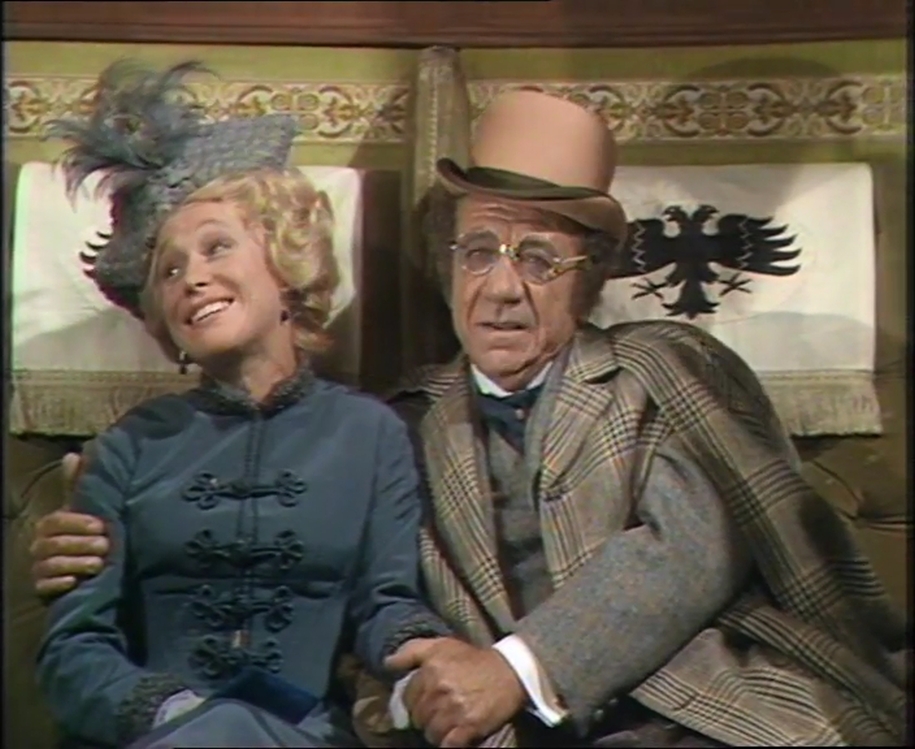
The Prisoner of Spenda, the first episode of Carry on Laughing, was broadcast on ITV in 1975.

Hmm, I wonder what novel this could be based on?

There’s a good reason why the television incarnation of the Carry On franchise doesn’t receive the same number of rescreenings as its big screen counterpart (they’re not very good) but approached in the right mood it’s still possible to derive some enjoyment from most of them.

This one features most of the main Carry On players (one notable absentee was Kenneth Williams, who loathed the whole idea) and at 22 minutes it’s brisk enough.

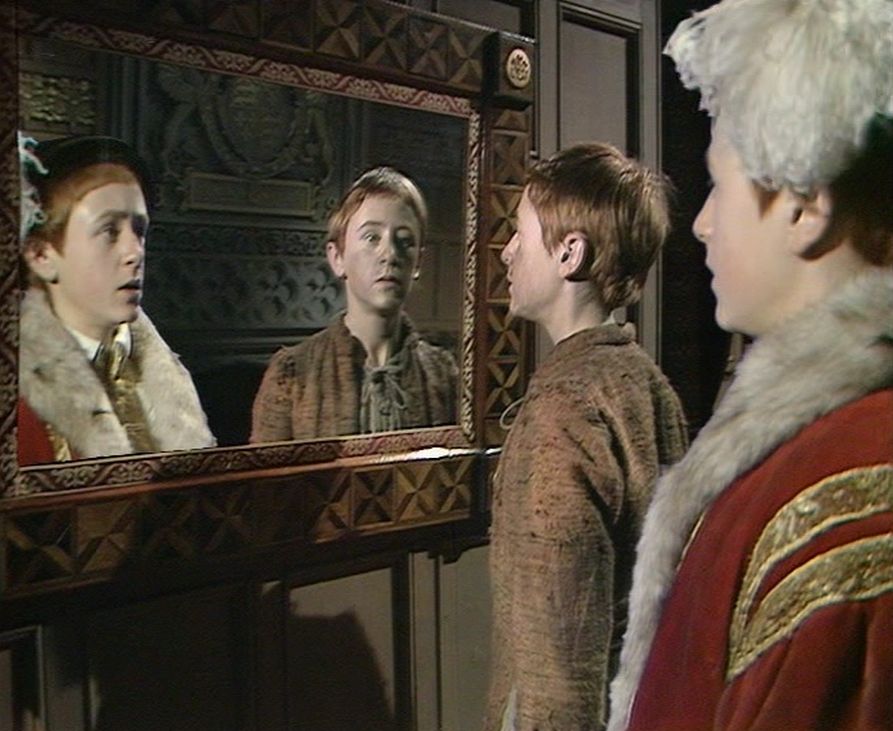
The first episode of The Prince and the Pauper was broadcast on BBC1 in 1976.

Another Classic Serial debuting on this day, The Prince and the Pauper boasts an impressive duel performance from Nicholas Lyndhurst as well as the usual strong supporting cast. With Barry Letts directing, it’s no surprise that CSO comes into play – the meeting between Prince Edward and Tom Canty is excellently done (the mirror shot still looks very good today).

Another Classic Serial released by Simply Media, you can read my full review here.

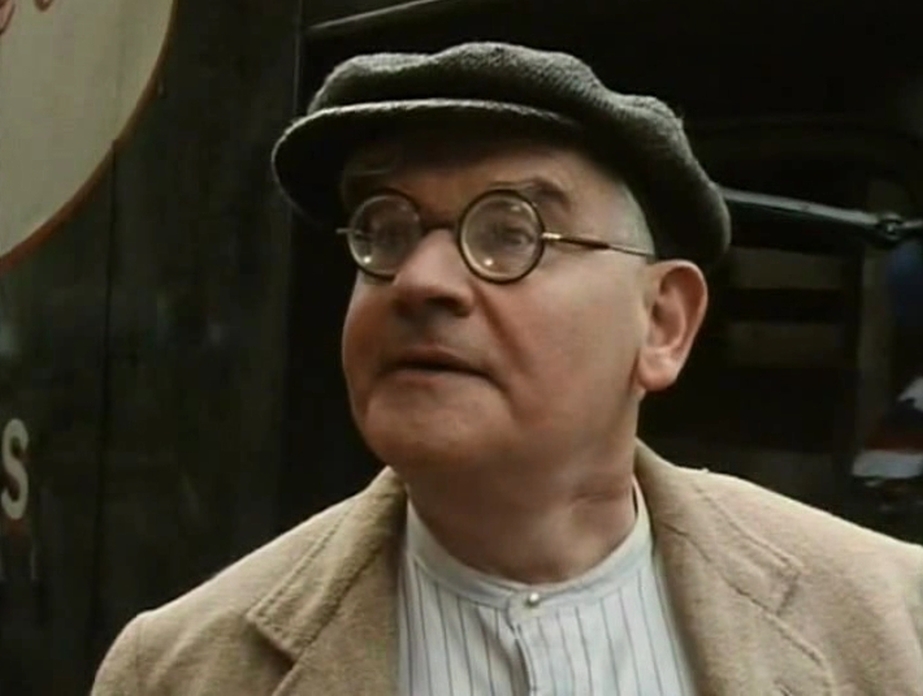
The first episode of Clarence was broadcast on BBC1 in 1988.

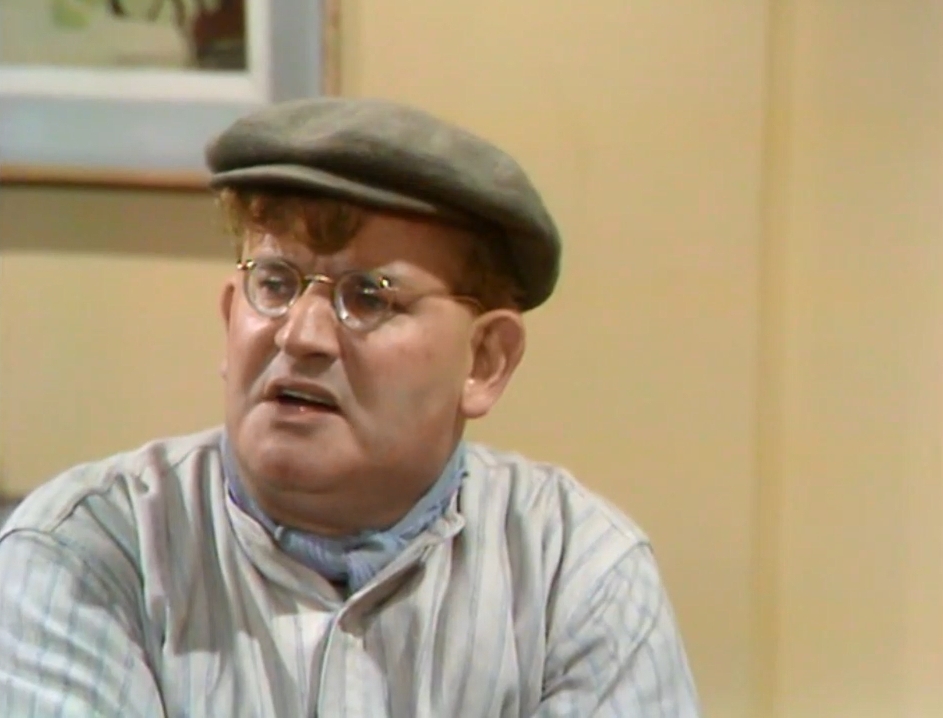
Ronnie Barker’s sitcom farewell is a series that I’ve never warmed to – the single joke premise (Clarence is a short-sighted removals man) wore pretty thin when the character (with a different name though) appeared back in 1971, so a whole series based around this concept has never seemed inviting to me. Still, Barker and Josephine Tewson are always worth watching, so maybe I’ll give it another go this year.

Iain Cuthbertson, born in 1930.

I’ve chosen Mutiny, an episode from The Onedin Line‘s first series, as my anniversary Cuthbertson programme. It sounds promising – Cuthbertson plays the dangerously unstable Captain Kirkwood with the likes of Kevin Stoney and John Thaw also making appearances. It’s written by Ian Kennedy Martin (his sole script for the series).

On this day (3rd January)

Peter the Postman, the first episode of Camberwick Green, was originally broadcast on BBC1 in 1966.

The first and arguably the greatest of the Trumptonshire trilogy, this is the series that features the iconic Windy Miller. Whenever I post a clip on Twitter, I like to play Camberwick Green bingo by wondering how long it’ll take before someone mentions Windy’s fondness for cider or posts a screengrab from Life On Mars …

The Bill Poster, the first episode of Trumpton, was originally broadcast on BBC1 in 1967.

Gordon Murray (or maybe the BBC schedulers) were obviously keen on the 3rd of January, as exactly a year after Camberwick Green first aired, along came Trumpton. All together now – Pugh, Pugh, Barney McGrew, Cuthbert, Dibble, Grubb ….

Meet the Gang, the first episode of It Ain’t Half Hot Mum was originally broadcast in 1974.

Fair to say that this is a series that polarises opinion. Two things – Sergeant Major Williams’ treatment of the platoon (they’re nothing but “a bunch of poofs”) and Michael Bates’ casting as Ranji Ram – remain hotly contested talking points.

Jimmy Perry made it plain that he was drawing on his own experiences and men like Williams did exist, so I personally don’t have a problem with him – plus if he wasn’t there to provide conflict, then the series would have fallen somewhat rather flat.

This wasn’t the first time that Michael Bates had played an Indian character, but Ranji is a far more rounded character than the stereotype Bates portrayed in an episode of The Mind of Mr J.G. Reeder. And there’s something rather bittersweet about Ranji’s unflagging love of Britain, as it becomes clear over time (although this is left unspoken) that if he ever did get to the UK then he’d quickly find out it wasn’t quite the paradise he imagines it to be.

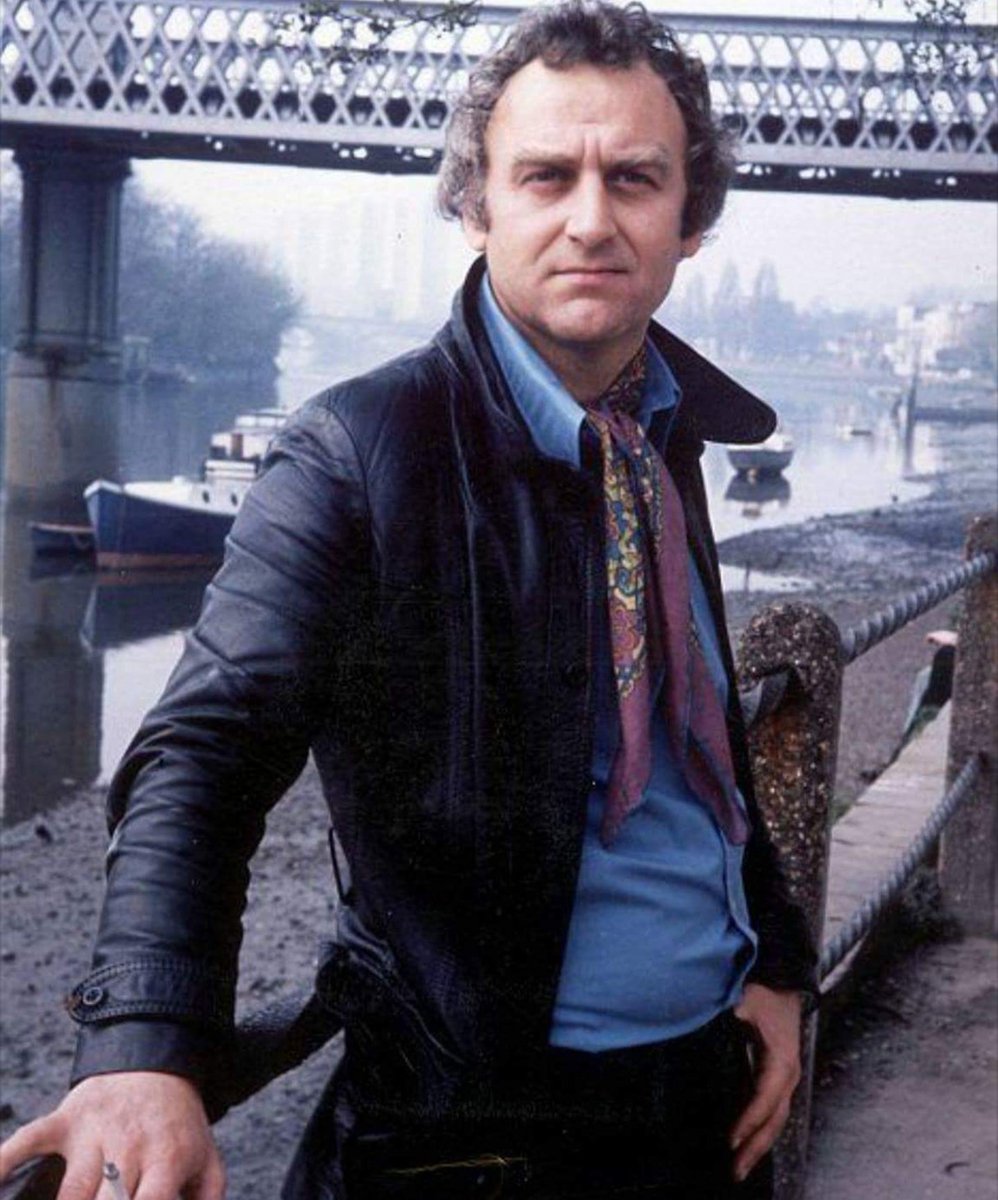
John Thaw, born in 1942.

Rifling through my Thaw collection for something slightly obscure to watch today, I’ve gone for The Absence of War, a Screen Two from 1995 adapted by David Hare from his own play.

Back to Christmas 1985 (3rd January 1986)

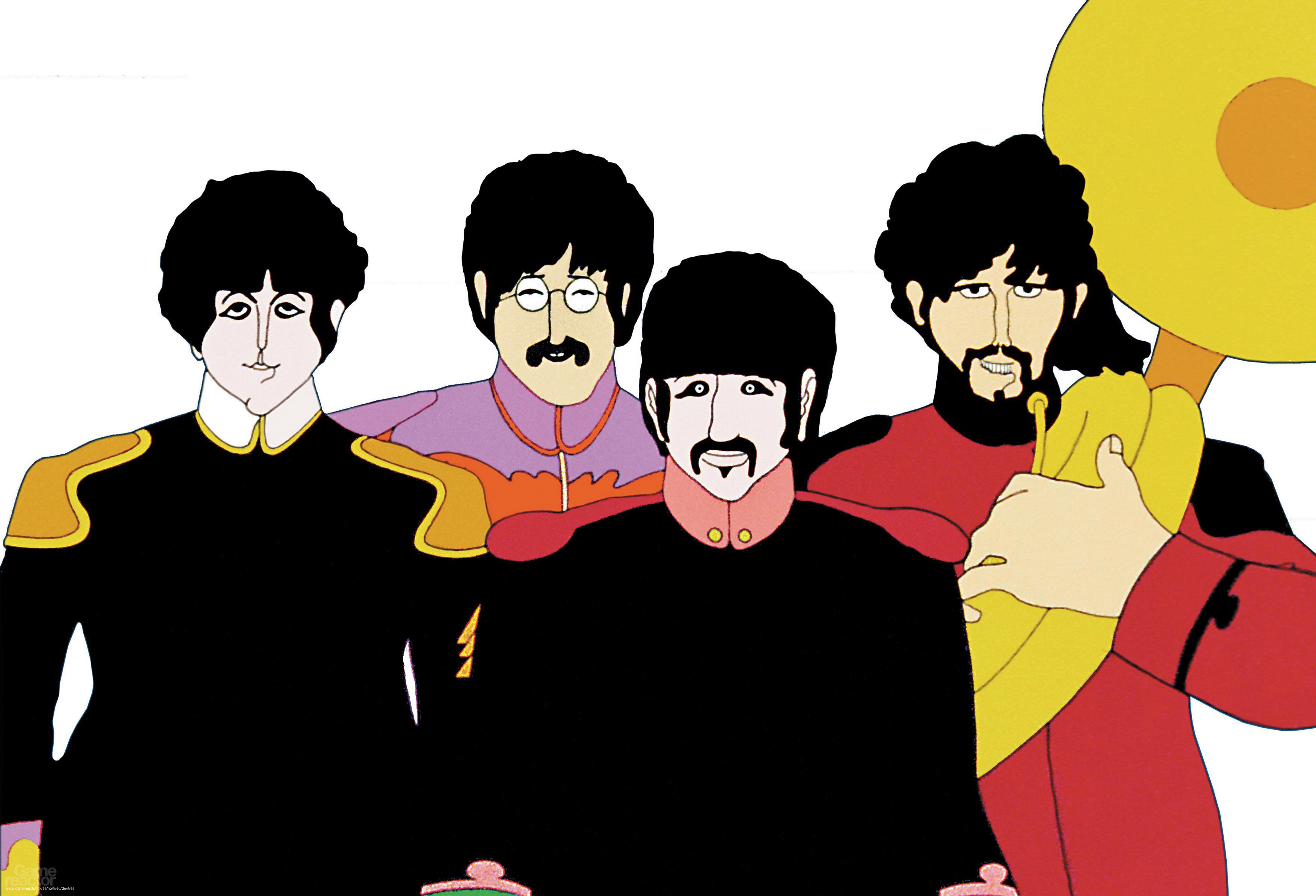
Wrapping up my fortnight in 1985/1986, with a few choices from this day – beginning with Yellow Submarine on BBC2. I don’t remember this being on in 1986 but I’m sure I would have watched it as anything Beatles-related would have registered on my radar.

It might have only been around 15 years old at the time, but it already had the vibe of a charming period piece and indeed that’s how it comes across today.

Then it’s over to ITV for Doug Henning’s Magic on Broadway. The perpetually laid-back Henning was always a pleasure to watch and although this glitzy showbiz magic feast might not be to everyone’s tastes, it certainly hits the mark for me.

I’ll round off the evening with the third and final part of Unknown Chaplin on C4.

Thanks to everyone who’s taken the time to read or comment on these posts, it’s been an interesting trip. I think I’ll have to use the randomiser and pick another year to sample soon.

On this day (2nd January)

Four of a Kind, the first episode of Z Cars, was originally broadcast on BBC Television in 1962.

So it’s the sixtieth anniversary of Z Cars (looks in vain for BBC4 documentary and extensive repeat season. Ho hum).

This opening episode hits the ground running by deftly establishing the differing personas of the four policeman selected for the new crime patrols (Lynch, Steele, Smith, Weir) and their two bosses (Barlow, Watt).

It’s true that broad brushstrokes are used though – Lynch is a garrulous Irishman, Steele might knock his wife about but we’re assured he’s a good chap really, Fancy is a ridiculously confident Teddy Boy and Jock … ah poor Jock (he very much gets the short end of the stick in this debut episode, only being called upon to mumble a few incoherent words).

Fare Forward Voyagers, the first episode of Manhunt, was originally broadcast on ITV in 1970.

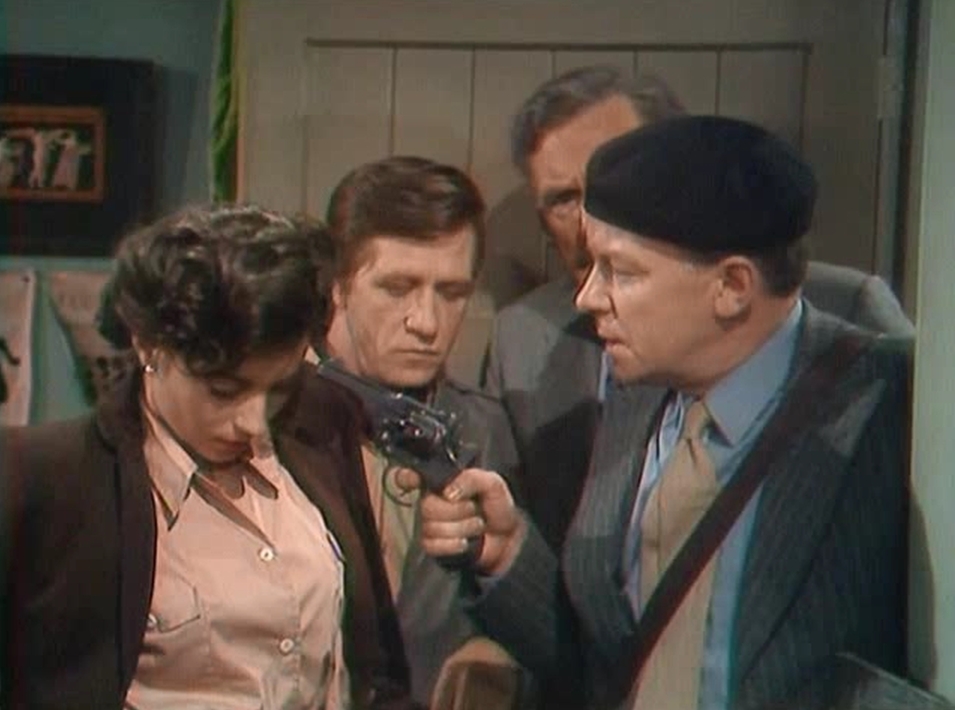
The premise of the series is simple – Nina (Cyd Hayman) has vital information about the French resistance networks. The Germans desperately want it, but so do the British – which means that Jimmy (Alfred Lynch) and Vincent (Peter Barkworth) have to somehow spirit her out of occupied France and back to London.

Rewatching this opener, it’s impossible not to nitpick a little – how did Nina escape after the Germans gunned down every other member of the Paris resistance cell? We’re never told (and given how hysterical she is for most of the episode, it’s difficult to see how she could have gone more than a few paces).

And why are the Germans so trigger happy? If they hadn’t massacred everyone, then Nina wouldn’t be such a valuable property.

All of the three regulars have a tricky time in this episode, as their characters are so extreme – Jimmy’s a wisecracking RAF pilot, Vincent’s a cold-hearted killer and Nina’s little more than a bundle of nerves. Putting the three of them together seems like a recipe for disaster, but hopefully they’ll settle down over the course of the next 25 (!) episodes. Given that Secret Army tended to spirit British airmen out of Belgium in a single episode, 26 episodes to get Nina over to Britain seems rather generous ….

The fine guest performances of Peter Copley, Andrew Keir and Yootha Joyce are one of the saving graces of Fare Forward Voyagers. Keir is especially impressive as the doomed Robespierre, a radio operator who sacrifices himself in order to allow Jimmy, Nina and Vincent the chance to escape.

Ringer, the first episode of The Sweeney, was broadcast on ITV in 1975.

Following the Armchair Cinema ‘pilot’ in 1974, The Sweeney burst onto our screens with this effort. Subtle it isn’t (the closing punch up is so ridiculously over the top that I’ve never been sure if it’s supposed to be tongue in cheek or not) but overall the episode is still rather bracing.

Brian Blessed (with a stick on beard) and Ian Hendry are the main guest stars whilst there’s plenty of familiar faces (Ray Mort, June Brown, Alan Lake, Angus Mackay) also present and correct.

The Way Back, the first episode of Blakes 7, was broadcast on BBC1 in 1978.

This dystopian tale of thought control and (thankfully trumped up) charges of child abuse had a surprisingly early evening slot. Fair to say that The Way Back is very much a one-off as the following 51 episodes never recaptured the tone of this opening installment.

Writing (or at least credited for) all 13 episodes of the first series, it’s not surprising that Terry Nation’s at his sharpest here. As time wore on and inspiration began to dry up, his scripts became rather more perfunctory.

Back to Christmas 1985 (2nd January 1986)

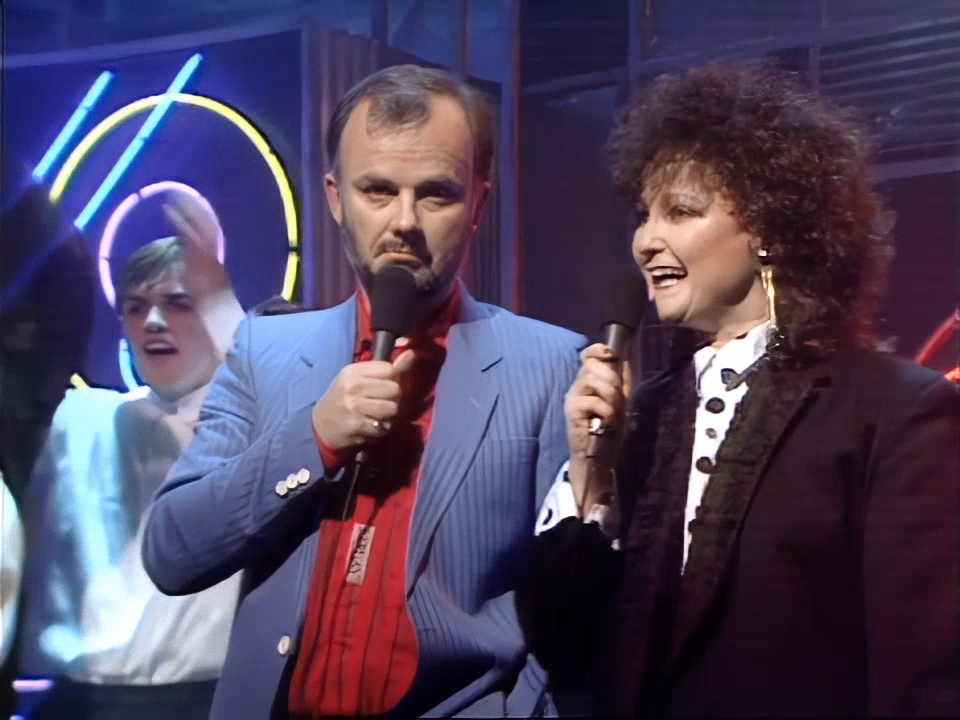
There’s something of a weary post-Christmas, post-New Year feel about the schedules today. Scrabbling around on BBC1 and BBC2 for something to watch, there’s the always dependable Top of the Pops. Presented by John Peel and Janice Long, let’s take a quick look at the top pop treats it contains ….

First off A-ha are in the studio with The Sun Always Shines On TV, which is a jolly poppy way to kick off proceedings. Then we go to Paul McCartney on video with Spies Like Us before returning to the studio for Level 42 and Leaving Me Now. This brings the party mood down a bit, although the audience still shake their pom poms with enthusiasm. Oh, and Mark King’s wearing quite the jacket.

Bronksi Beat Hit That Perfect Beat next (more top pom pom action from the audience) which is followed by Sophia George with Girlie Girlie. Sir Shakin’ Stevens remains at number one, so that just leaves the playout track (Elton John, Wrap Her Up) which features some entertaining dancing from the always willing studio audience.

I’ll follow that up with EastEnders, where Pauline, Arthur and Michelle are still in Southend, searching for Mark.

ITV’s early evening schedule is pretty bleak (a movie length Knight Rider followed by Mistral’s Daughter isn’t my idea of fun) but thankfully C4 looks a little more promising.

There’s Treasure Hunt (“stop the clock!”) which this week is in Clwyd (scope for plenty of unpronounceable names then) and after that there’s the second episode of Unknown Chaplin.

Back to Christmas 1985 (1st January 1986)

Happy New Year. Surprisingly held over from Christmas week, today the feature length Last of the Summer Wine special Uncle of the Bride finally airs. We’re into the era where it’s been noted that the supporting cast began to snaffle a little more of the limelight (although to be fair, this had been happening ever since the first series) and Seymour (Michael Aldridge) makes his debut.

Seymour obviously had to be a different character from Foggy and although eventually the series would end up in a rut (many episodes during the next few years revolved around Compo being used as a guinea pig for Seymour’s latest impractical invention) it’s impossible not to enjoy Aldridge’s turn.

BBC2 offers a couple of films that are worth VCRing – The Front Page with Jack Lemmon and Walter Matthau followed by the Marx Brothers’ Animal Crackers.

I continue to lament that there’s not more of A Frame With Davis in the wild, so until the happy day when the whole series suddenly appears we’ll have to make do with fragments like this.

C4 offers a very solid evening. First up is Mr Parnes, shillings and pence, a film documentary about Larry Parnes – Britain’s most notable pre-Beatles pop manager. That’s followed by Blue Suede Shoes (although this show has had a few different names over the years) in which Carl Perkins corrals a group of his famous friends – George Harrison, Ringo Starr, Dave Edmunds, Eric Clapton – for an hour’s worth of good-natured rockabilly. Then there’s episode one of Unknown Chaplin, Thames’ top-notch three part documentary series.