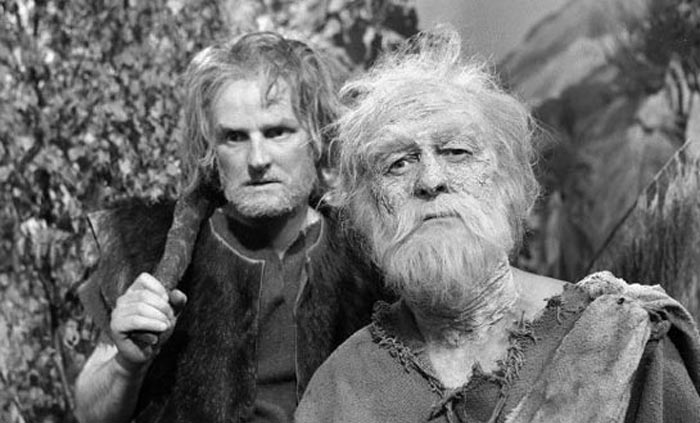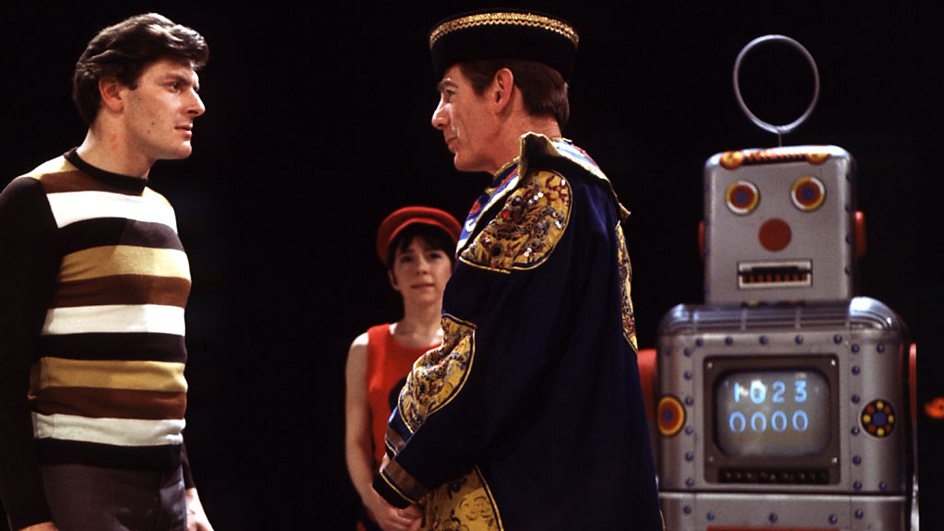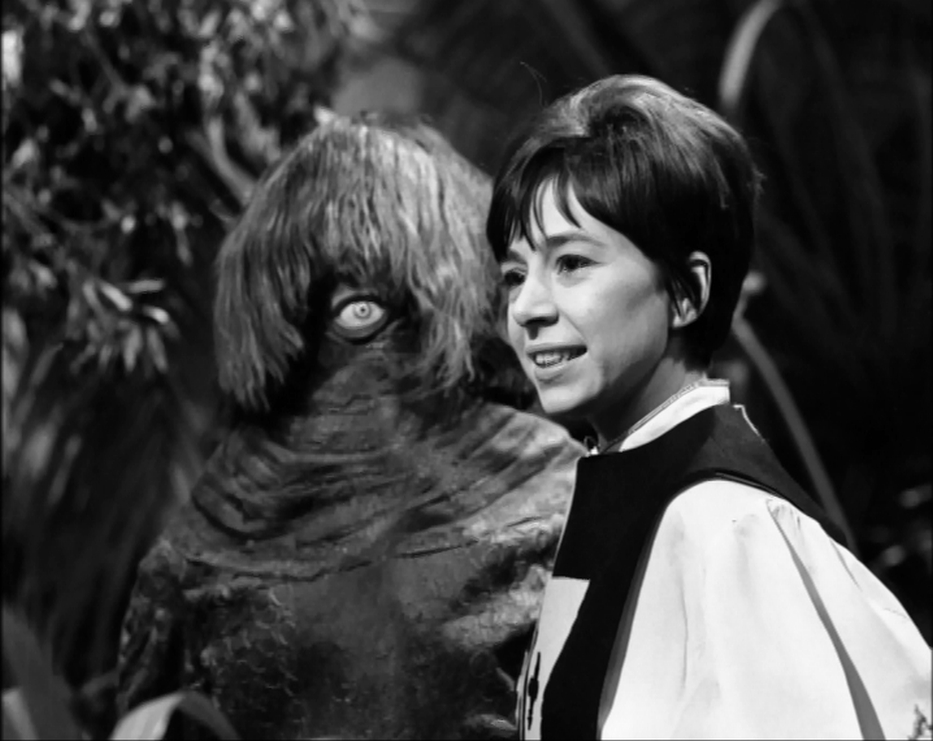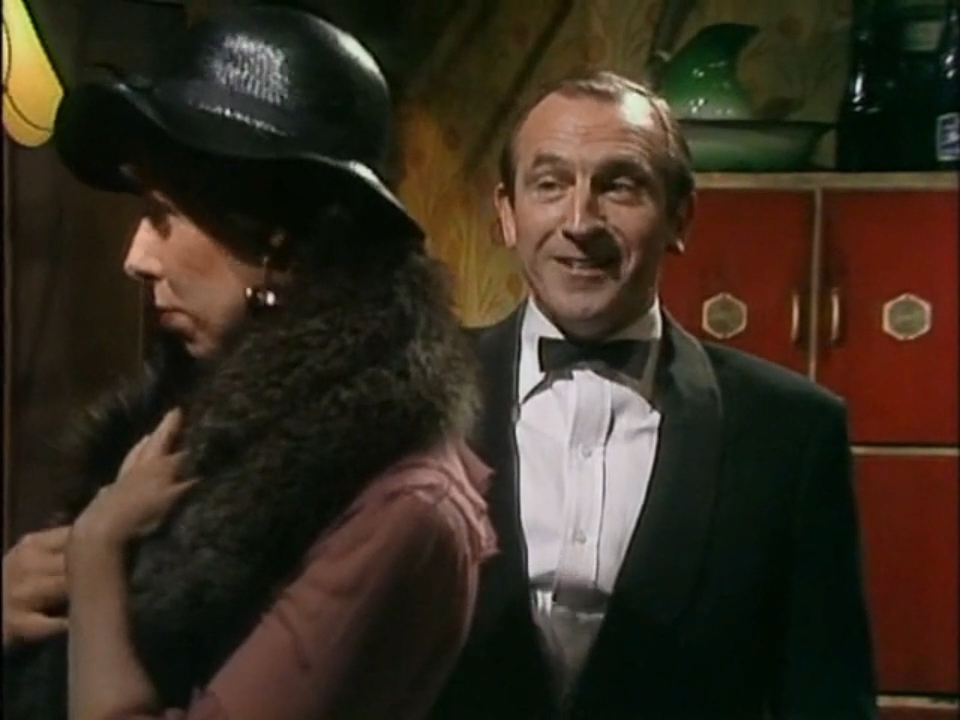
Doctor Who – The Gunfighters

Back in the olden days (let’s say up to the late eighties/early nineties) we all knew for a fact that The Gunfighters was an embarrassment. It was the lowest rated Doctor Who story ever (except it wasn’t) and choc-full of terrible performances (except it wasn’t). Jeremy Bentham’s summation in Doctor Who – A Celebration (1983) was typical of the lack of love it generated at the time. “The script was pure Talbot Rothwell, the acting was not even bad vaudeville and the direction was more West Ham than West Coast. It was not good. It was bad and ugly”. Ouch!

If you’re a Doctor Who fan of a certain age, then you probably grew up learning about the series’ illustrious past in great detail before you ever got the chance to watch it (in the UK, repeats of older stories were scarce to non-existent). But by the late eighties this was changing – most of the available episodes could be accessed in wobbly quality if you had a contact in the pirate video network and by the early nineties they were being broadcast in a more watchable form on UK Gold.

It was around this point (when we could actually see The Gunfighters) that opinions about it began to shift. Indeed, early 1990’s A5 DW fanzine culture was a bracing thing – full of twentysomethings who delighted in overturning the received opinions of their elders. So for a while, Pertwee was definitely out of fashion whilst the previously neglected Hartnell era was reassessed much more favourably.

Quite why The Gunfighters should have been the target of so much vitriol is a bit of a mystery, but when stories like that were out of circulation it shows how just a handful of people (Jeremy Bentham amongst them) could shape the debate. We took it for granted they knew what they were talking about ….

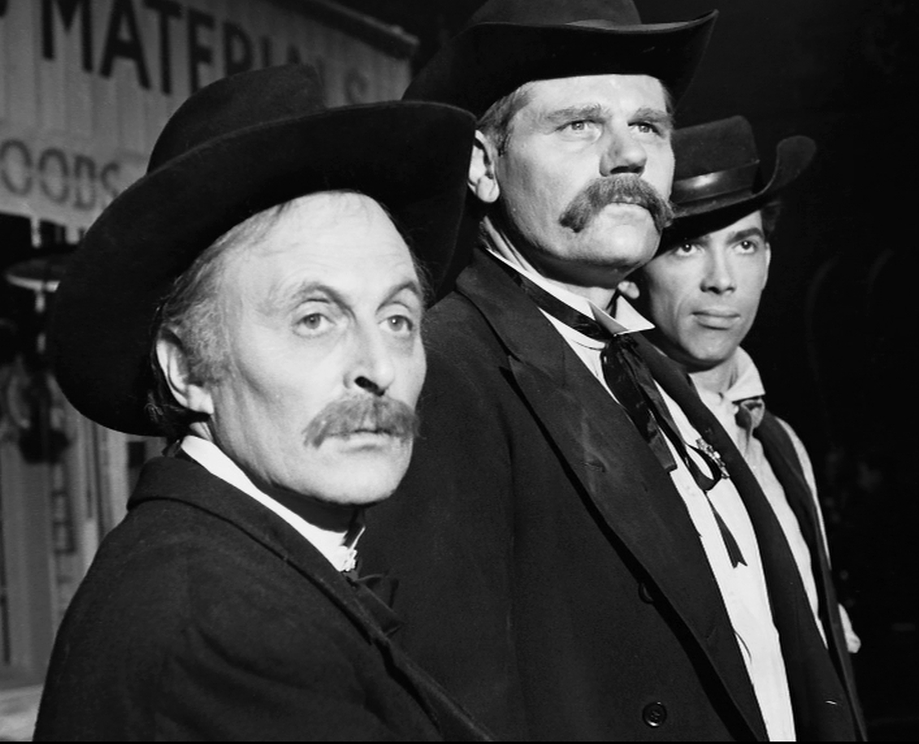
I will concede the some of the American accents (yes, the Clanton brothers, I’m looking at you) are a little suspect. Even more suspect is the way the story plays fast and loose with historical fact – if you want to learn about what really happened at the O.K. Corral then it’s best not to trust Donald Cotton.

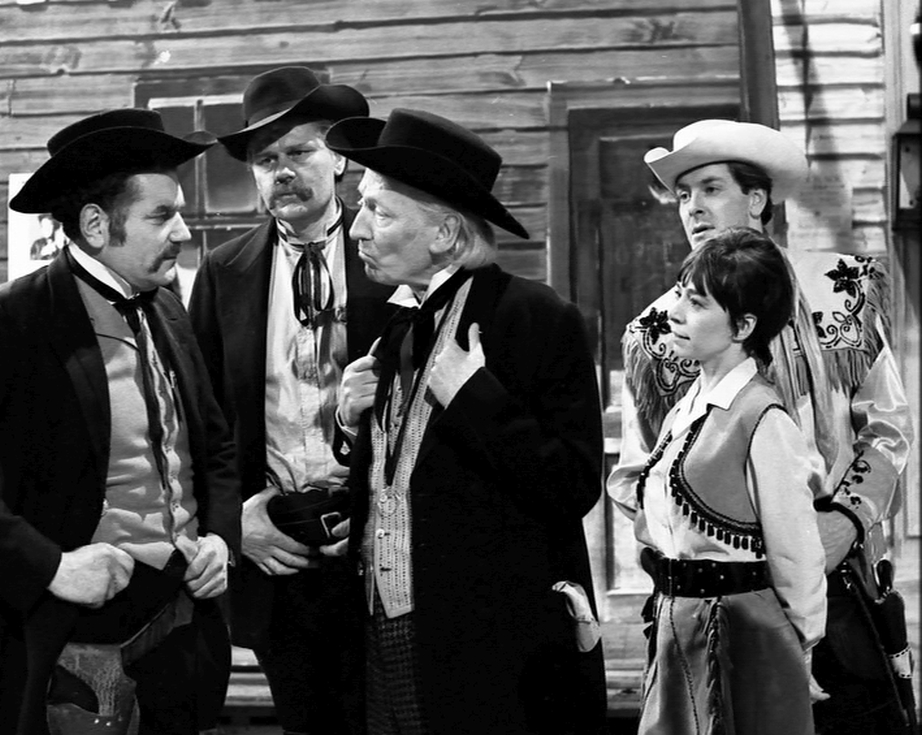
But those quibbles apart, I can find little to complain about. Hartnell’s in great comic form during the early episodes as the Doctor, suffering from toothache, is forced to seek respite with Doc Holliday (Anthony Jacobs), who by a remarkable coincidence has just opened up a dental establishment in Tombstone. The fun keeps on coming after the Doctor then runs into Seth Harper (Shane Rimmer) who’s teamed up with the Clantons in order to run Holliday to ground.

HARPER: Doc!
DOCTOR: What? Yes, yes, what is it?
HARPER: Holliday!
DOCTOR: Holiday? Yes, I suppose so. Yes, you could call it that.

From such small acorns do mighty oaks of confusion grow. With the Doctor mistaken for the infamous Doc Holliday, comic sparks will fly. After being sidelined during The Celestial Toymaker, Hartnell is now back to his best – give him some decent material to work with and he’d never let you down.

Peter Purves and Jackie Lane both fare very well too. Purves disliked this story for decades as he found director Rex Tucker a difficult man to work with. But even if Tucker didn’t give him a great deal of direction, Purves still emerges with honour (like Hartnell, he was able to pepper the episodes with sharp comic touches – such as his exaggerated double-take when he discovers Charlie’s dead body).

Dodo falls into the company of Doc Holliday and Kate (a delightfully blowsy performance from Sheena Marshe) and during this association is gifted a handful of good lines and bits of business (drawing a gun on Doc Holliday, for example). It’s not much, but considering Dodo’s lack of character development so far it’s a lot more than she’s been used to.

And that’s a real shame because there are signs here that, given the right scripts, Jackie Lane could have been an asset for the series. But her time is already almost up (we’ll discuss the terrible way she was dispensed with in a couple of stories time).

John Alderson (British born, but American based, so his US accent sounded authentic) and Richard Beale were another couple of strong additions to the cast. Alderson’s byplay with Hartnell is always entertaining and Beale was the sort of dependable supporting player who would never leave you down. Add in David Rimmer as the permanently nervous barman Charlie (who comes to a sticky end) and Lawrence Payne as the man in the black hat and you’ve got a very strong cast (far removed from the embarrassment we were told about).

As with The Myth Makers, the story gets darker as it goes on. Steven nearly gets himself lynched whilst the hapless Warren Earp (Martyn Huntley) is murdered by Billy Clanton. And suddenly the Clantons don’t seem quite so comic …

Another criticism of the story is that the Doctor takes no part in the infamous Gunfight at the O.K. Corral (although how exactly would he have fitted in?). True, this means that the climax of The Gunfighters doesn’t involve the Doctor, but this sort of thing was a problem that the historical stories often struggled with.

Oh, and I’ve always found the Ballad of the Last Chance Saloon (another aspect of the story that many dislike) to be good fun. The way the lyrics continually keep updating in order to archly comment on the unfolding narrative is a little touch of genius.

One thing that even the carping 1980’s reviews couldn’t disparage was the quality of the sets. When Seth Harper takes a fatal bullet and slumps on the bar of the Last Chance Saloon it wobbles in a most unconvincing way, but apart from that the sets look solid and convincing (plus you get real horses during the Ealing filming!). Whilst it seems that Rex Tucker had his issues when directing, there’s no sense that he was slapdash or disinterested – often we see shots from unusual angles (either low or high) which suggests he was keen not to settle for anything too obvious.

It’s not perfect (but then what is?) but I’m happy to give The Gunfighters 4 TARDISes out of 5.

Doctor Who – The Celestial Toymaker

Poor old Celestial Toymaker. It’s one of those stories that’s languished in obscurity for decades – probably ever since 1991 when its only surviving episode (The Final Test) was released on VHS and the less than thrilling hopscotch game was once again seen in all its glory.

It’s fair to say that The Final Test doesn’t show the serial at its best – if any of the first three episodes also existed I’ve a feeling that we’d think better of it. Given the production issues The Celestial Toymaker had to overcome (a restricted budget and numerous rewrites) it’s possibly not surprising that it feels a little rough round the edges. And yet …

I’m never averse to the series trying something different – especially since once Innes Lloyd gets his feet firmly under the table he’ll format DW much more rigidly than its ever been before (I hope you like base under siege stories, as pretty soon you’re going to get an awful lot of them). The Celestial Toymaker‘s childlike fantasy world is like nothing we’d seen before and would rarely see again (apart from The Mind Robber).

Unlike most stories where there’s scientific (or at least pseudo-scientific) reasons for whatever happens, here we just have to accept that the Toymaker (Michael Gough) is a fantastically powerful being who can trap people and force them to play his games. Refreshingly (unlike in The Mind Robber) he doesn’t have galactic conquest on his mind – he’s simply bored and wishes to be entertained. As the story progresses we learn little about him – apart from the fact that he and the Doctor have met before.

As the episodes tick by, one obvious weakness is that Gough ends up being rather underused. After his impressive entrance in the first episode, the Toymaker spends most of his time with a mute and disembodied Doctor (Hartnell taking the opportunity to enjoy a few week’s holiday). So he’s got little to do except keep an eye on the Doctor’s progress in the trilogic game and pop up every so often to annoy Steven and Dodo as they battle through a series of different games.

The world of the Toymaker initially delights Dodo, who so far has been played as little more than an over-enthusiastic child. Steven’s less enamoured with some of the silly games they’re forced to play (I like to think a little of Peter Purves’ attitude was seeping through here).

One thing that appeals to me is the way that Campbell Singer, Carmen Silvera and Peter Stephens keep reappearing in consecutive episodes as different characters. It helps to keep the budget down of course, but it’s also a chance for Singer and Silvera especially to stretch their acting muscles (a pity that neither appear in the final, existing, episode).

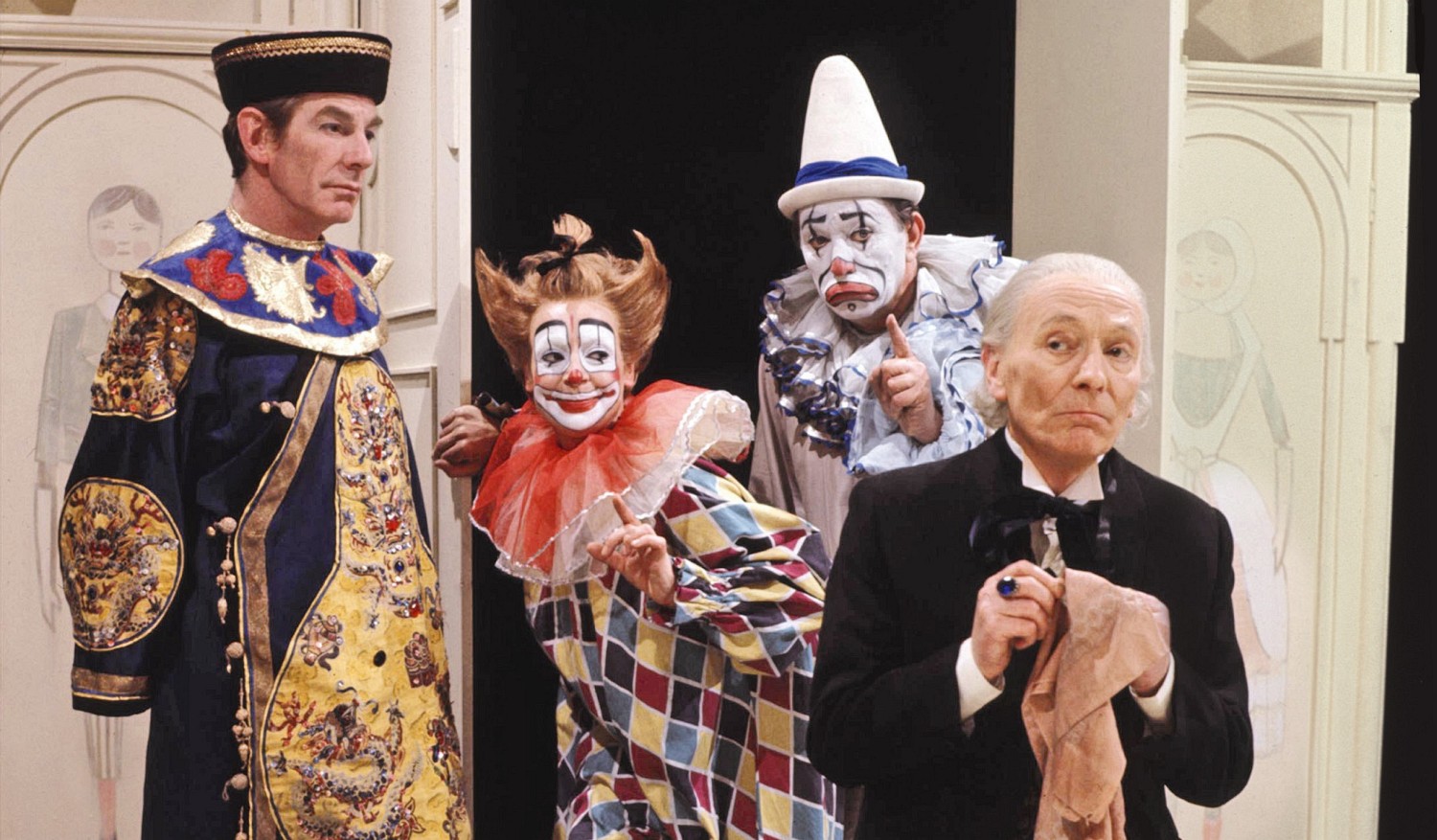
In part one they’re a pair of clowns – Joey and Clara. Joey doesn’t speak (he just, Harpo Marx style, honks a horn) whilst Clara has an incredibly annoying high pitched voice.  With very little photographic material in existence, the game they play with Steven and Dodo seems to stretch on interminably.

Things pick up in episode two – The Hall of Dolls – as they’ve now been reincarnated as the King and Queen of Hearts – joined by Stephens as the Knave of Hearts and Reg Lever as the Joker. Singer’s performance as an amiable old duffer with Silvera offering strong support as his stern wife enlivens proceedings enormously (without them, the game of hunt the chair would have been far less fun).

Indeed, as I made my through the story this time, Campbell Singer really emerges as the serial’s unsung hero. His turn in episode three – the bluff and cowardly Sergeant Rugg – is another entertaining one. As with the second episode, it’s the byplay between Singer and Silvera (here playing Mrs Wiggs, a stern cook) that helps to drive the first half of The Dancing Floor on. The second half – Steven, Dodo, Sergeant Rugg and Mrs Wiggs contend with some deadly dancing dolls – might be eerie or it could have fallen flat (with only the soundtrack available it’s impossible to know for sure, but I’m inclined to give it the benefit of the doubt).

As touched upon earlier, the absence of Singer and Silvera hurts the final episode. Peter Stephens’ performance as Billy Bunter (sorry, Cyril) is annoying, although I’ll concede that it’s supposed to be, so in that respect it works well. It’s nice to have Hartnell back in the flesh but his final confrontation with the Toymaker does feel somewhat anti-climatic.

So, it’s a mixed bag overall. But I’ve a feeling this is a story that needs to be seen in order to be appreciated. Some missing stories work well as audios, but The Celestial Toymaker lacks well drawn guest characters (although the roles adopted by Campbell Singer and Carmen Silvera in the middle two episodes are worth the price of admission alone) and so suffers without any visuals.

Although on the surface the Toymaker’s games appear whimsical, there’s a harder and nastier edge lurking under the surface. Subverting the safety of the nursery (at one point the Toymaker proudly shows the Doctor two children’s chairs he’s designed for his latest dolls – Steven and Dodo) is an eerie thing to do. And are the ‘people’ Steven and Dodo encounter just figments of the Toymaker’s imagination (as Steven believes) or are they real people, previously ensnared by the Toymaker and now forced to act out his wishes on command? The latter possibility is a horrific one.

Given it’s experimental nature, I’ll give it three and a half TARDISes out of five.

Doctor Who – The Ark

I’m still reeling from the slapdash way Dodo was introduced at the end of the previous serial, The Massacre. Jackie Lane continues to be thrown in at the deep end as this story begins, but as Dodo will eventually settle down I’m prepared to cut her some slack.

The opening episode – The Steel Sky – is a pretty impressive production. There’s plenty of rapid cutting in the jungle scenes from film, to studio, then back to film, etc. This sounds straightforward enough, but since the cutting had to be done live during the studio recording, the chances of something going wrong was quite high.

Unlike film/studio cutting during the colour era, the constant changes from film stock to studio videotape isn’t so noticeable in black and white, so director Michael Imison manages to get away with it. There’s some other nice shots in these early episodes and some decent model-work, which suggests that Imison was trying to use the series’ limited technical resources to their fullest degree.

This is just as well, as the acting is, to put it kindly, a bit hit and miss. Eric Elliott as the Commander and Inigo Jackson as Zentos both manage to chew any bit of scenery they come across. Kate Newman (Mellium) is better, but she’s not given much to do. It’s good to see Michael Sheard (making his DW debut as Rhos) but if it hadn’t been Sheard playing the role I doubt anyone would spend a great deal of time talking about this character.

What’s notable about The Ark is the way it neatly splits into two two-part stories. Although at the end of the second episode (which sees the Doctor and his friends bidding the inhabitants of the Ark a fond farewell after curing them of the terrible damage inflicted by Dodo’s cold) it appears that the story has run its course.

The reveal that the TARDIS has travelled in time, but not space, dropping them back on the Ark seven hundred years later is a good twist. As is the cliff-hanger reveal that the statue of humanity (which was only partly constructed at the start of the story) has now been completed with the head of a Monoid.

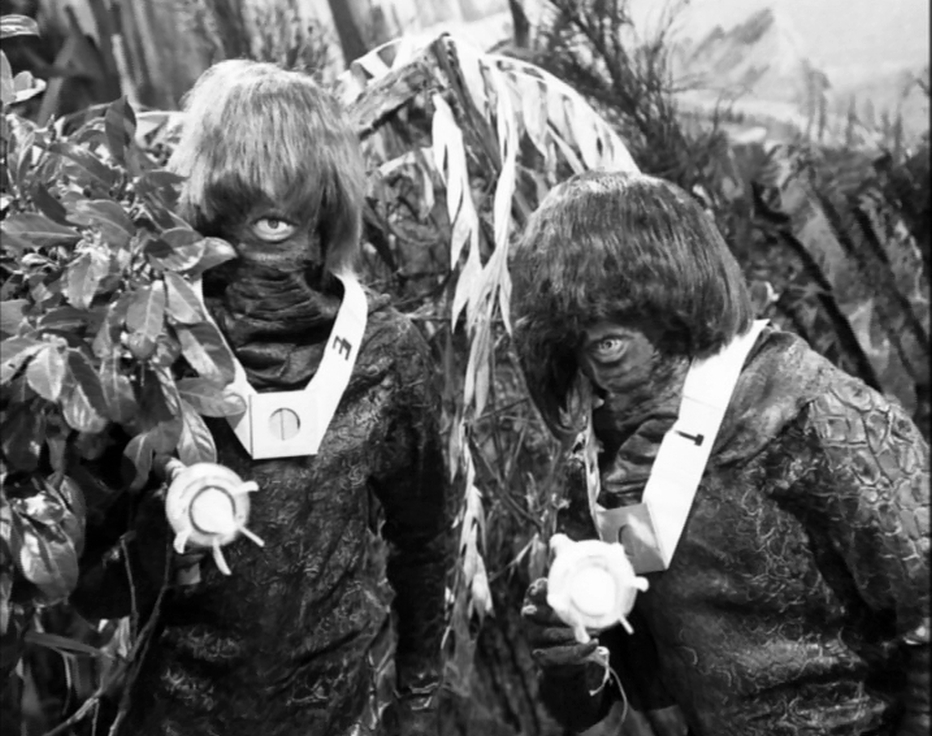
Ah yes, the Monoids. They spent the first two episodes in the background as mute servants of the humans. But now they’ve gained voices and – rather ticked off about the way they were treated as second class citizens for centuries – have taken over and are giving the humans a taste of their own medicine.

That the Doctor was partly responsible for this state of affairs (Dodo’s cold led to a mutated disease which, after they left, sapped the will of the humans) is an interesting story beat. Given that the Doctor can never resist meddling in local affairs, it’s easy to imagine him leaving a trail of unintentional destruction as he goes along his merry way. It’s not surprising that the series rarely comments on this though (Planet of the Spiders being a notable exception).

The Monoids, bless them, aren’t in the top rank of Doctor Who monsters. Their wobbling walk is bad enough, but when they begin to talk in part three – The Return – things really begin to career downhill. This episode features several of the serial’s most cherished moments – the Security Kitchen, for one. Maybe this is intended to be ironic and we’re simply not getting the joke (after all, where exactly do the Monoids stuff all the food they force the Guardians to make for them?)

Dodo’s confrontation with Monoid 2 (none of them have names, only Prisoner-ish numbers) is another classic.

DODO: Yes, I bet it’ll take some time to get the whole of the population down here, so the sooner you get started, the better, I should think.
MONOID 2: Don’t worry. It may not take as long as you think.
DODO: What do you mean? Are you up to something?
MONOID 2: Er, no.
DODO: No? But you gave yourself away, didn’t you?

Dodo’s tone here is rather like a mother chastising a naughty child. It helps to dispel any lingering menace that the Monoids might have had. This is a pity as they look quite imposing in still form (see below) it’s only when they walk and talk that they have a problem …

The Ark trundles along to a conclusion, with the humans and the remaining Monoids (after the more warlike ones perish in a brief civil war) agreeing to bury the hatchet and begin a new life on Refusis along with the invisible Refusians, who are looking forward to having a bit of corporeal company at last.

Given what’s happened before though, I wouldn’t be surprised if they’re at each other’s throats in a couple of decades time ….

It’s easy to be a little dismissive of the simplistic storyline and the lack of three-dimensional guest characters (all the ones we see are drawn from stock – the impulsive hot-headed human convinced that the Doctor is a menace, etc). But The Ark does have some solid science-fiction concepts – such as the generational spaceship in search of a new home – and the production design by Barry Newbery has plenty of little touches which still look good today.

Ratings-wise, I’ll give it three TARDISes out of five.

Back to May 1986 (22nd May 1986)

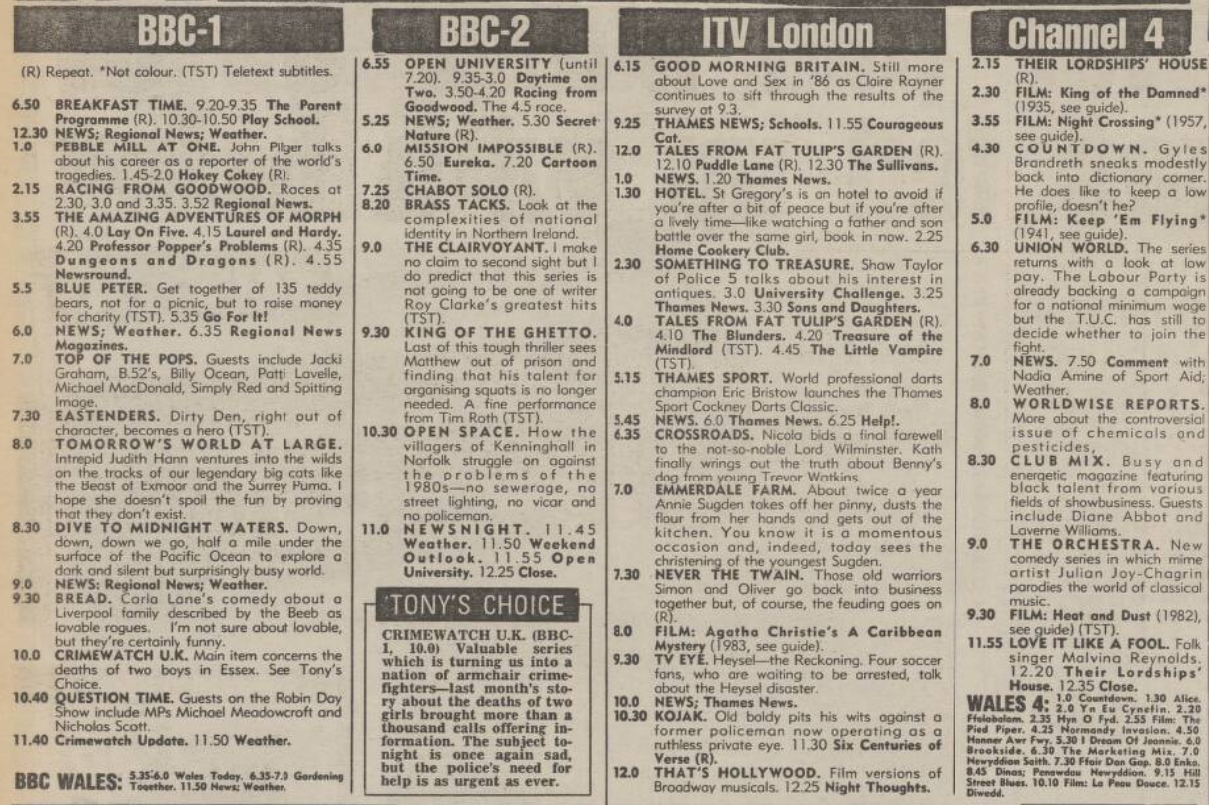
It doesn’t look like a classic Top of the Pops line-up tonight, but it’ll give me a good snapshot of musical tastes from mid 1986, so it’s going on the list.

The Clairvoyant on BBC2 will also be worth a look. The combination of the two Roys (Clarke and Kinnear) promised much and whilst you didn’t have to be a mind reader (sorry) to have predicted that this sitcom wouldn’t have a long run, it’s still amusing enough.

ITV offers Never the Twain. It’s a sitcom which ran for an incredibly long time and was sustained throughout its life almost entirely by the larger than life performances of Windsor Davies and Donald Sinden. They could always be guaranteed to make something out of the most predictable situations.

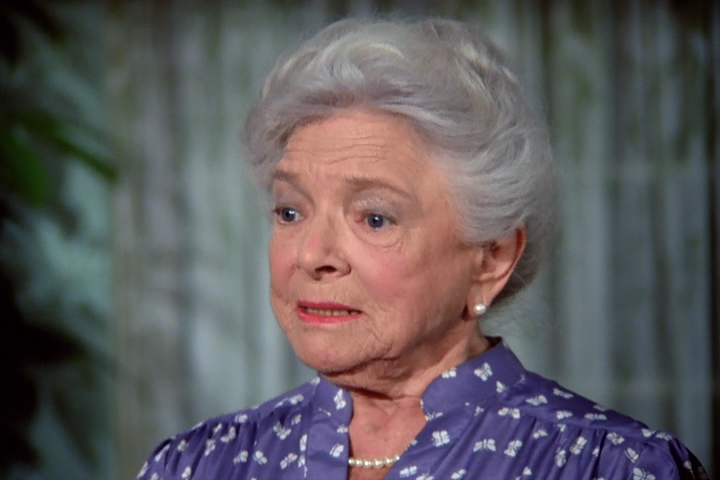
I’ll round the evening off with the 1983 American TV movie version of A Caribbean Mystery.  I’m rather fond of all the 1980’s US Agatha Christie TVMs and whilst it’s obvious that Helen Hayes was no Joan Hickson, on her own terms she makes for an appealing Miss Marple.

Most of the US Christie TVMs of this era feature impressive supporting casts (for example, the other Helen Hayes Marple mystery has Bette Davis, Leo McKern, Dorothy Tutin and John Mills amongst others) but A Caribbean Mystery is a bit bereft in this respect, although the likes of Bernard Hughes, Brock Peters and George Innes do feature.

Back to May 1986 (21st May 1986)

The first series of Jossy’s Giants comes to a conclusion, and as it’s the big cup match I might tune in. Written by Sid Waddell, it was always an entertaining watch with Jim Barclay giving an engaging performance as the eponymous Jossy, the new manager of the Glipton Grasshoppers (a youth football team that prior to his arrival seemed doomed to remain at the bottom of the league). My previous thoughts on the series can be found here.

Later also on BBC1 there’s a repeat of Lame Ducks. A P.J. Hammond sitcom, it’s always piqued my interest for that reason if nothing else. But you can’t grumble about the cast (John Duttine, Lorraine Chase, Tony Millan, Brian Murphy, Cyd Hayman) and it’s one of those forgotten series (not repeated in decades, never released on DVD) that’s considerably more entertaining than its low opinion suggests. Even so, I think Hammond did the right thing by concentrating on drama ….

Undoubted pick of the evening is the first episode of A Very Peculiar Practice on BBC2 (which I’ve written about elsewhere). Whilst the first series of AVPP hasn’t had a terrestrial repeat since 1990, it’s a programme that still seems to have a profile today. The DVD release has helped of course, but it’s interesting to remember that although it was well received at the time, ratings-wise it only attracted modest figures.

Some programmes, despite average ratings, seem destined to endure whilst others might top the charts but are forgotten soon afterwards (although of course, the reverse can also true). For further reading about neglected television drama, I can’t do worse than point you in the direction of the Forgotten Television Drama blog.

Back to May 1986 (20th May 1986)

Once again, the number of prime time repeats rather surprises me. My recollection of this era tended to confine re-runs mostly to July and August (a dead couple of months,  which saw the impatient viewer counting down the days before the exciting new season launched in September).

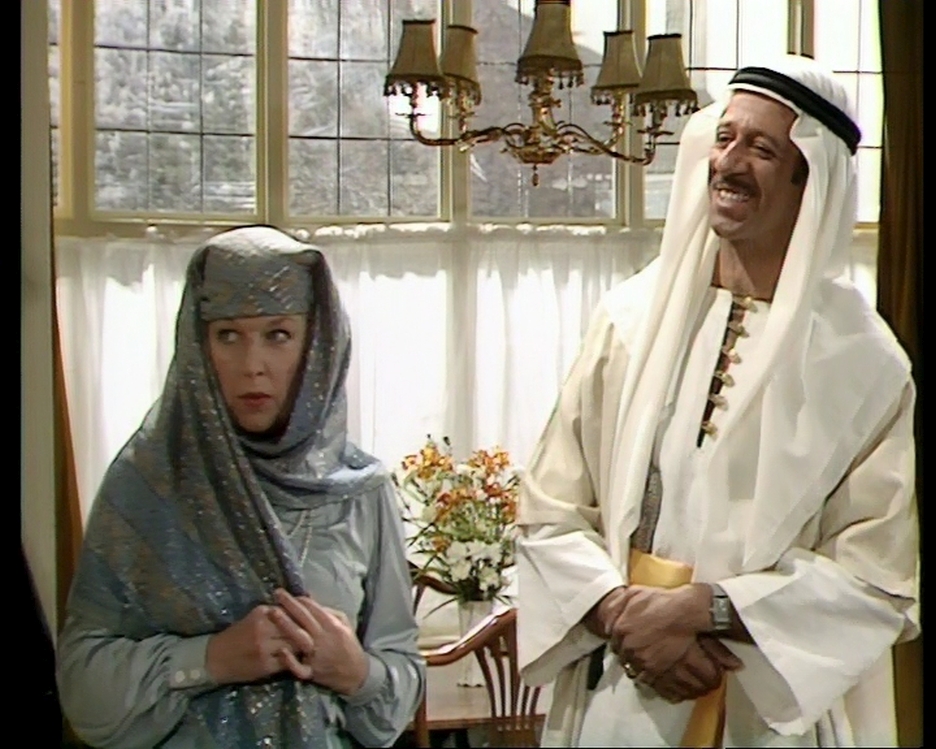
One Arabian Night is the Terry and June episode on offer. Written by Colin Bostock-Smith, it’s a politically incorrect half hour – Derek Griffiths guests as an Arab Prince who takes a shine to June and offers to buy her for fifty camels.

We’re on firmer ground with Juliet Bravo (The Day The Circus Left Town). The Kenny Everett Show is also worth a look – it’s a re-run from the third series, so the strike rate is still pretty high (the show tended to tail off somewhat during the next few years).

Over on ITV there’s Duty Free – a series that was incredibly popular at the time (even displacing Coronation Street at the top of the ratings) although didn’t seem to generate an equal amount of love. Even today, it’s seen as a lesser part of the Eric Chappell canon – but I’ve always loved it. Very studio-bound, it has the feel of a stage farce which is one of the reasons why I’ve always found it appealing. When the Christmas Special went to Spain for location filming it seemed to kill the comedy stone dead, which suggests that the artificiality of studio VT work can sometimes be a positive.

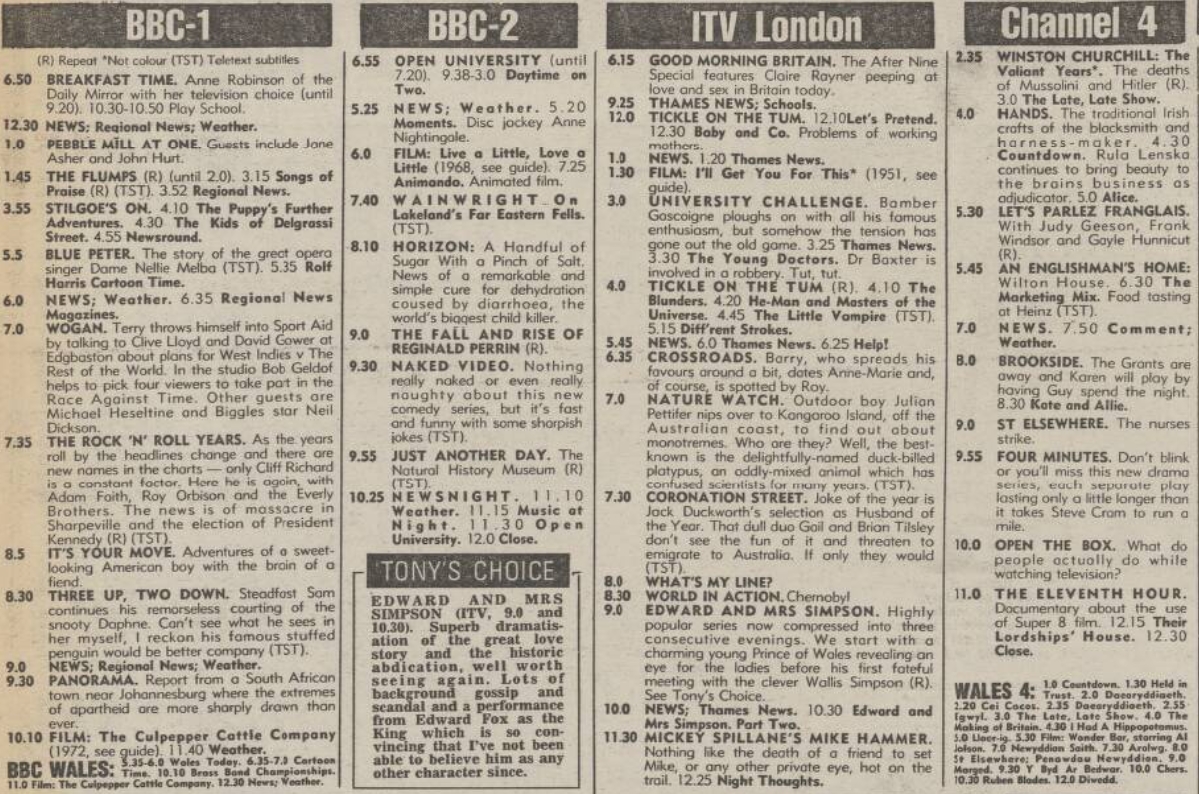
And if there’s time I’ll catch a bit more of Edward and Mrs Simpson.

Back to May 1986 (19th May 1986)

The repeats just keep on coming, although many of them (like The Rock ‘N’ Roll Years) are very welcome. It’s difficult to articulate today quite how magical this series was back then – when history (news, music, entertainment) wasn’t available at the click of a button, these half hour digests were windows into vanished worlds.

Today’s episode, 1963, was – of course – notable for the assassination of John F. Kennedy, but for a generation of young Doctor Who fans it meant we could enjoy a clip from An Unearthly Child. With the Five Faces repeat from 1981 a distant memory and the VHS release still four years away, it was like gold dust ….

Moving over to BBC2, there’s another chance to see The Fall and Rise of Reginald Perrin. And on ITV’s there’s a re-run of Edward and Mrs Simpson, now stripped over three evenings. As it was originally broadcast in seven parts, it looks like it’s been trimmed down to fit six one-hour slots.

Rather like, Winston Churchill – The Wilderness Years, it has a supporting cast to die for. If the likes of Nigel Hawthorne, Peggy Ashcroft, Marius Goring, Cherie Lunghi, Kika Markham, John Shrapnel, Maurice Denham, Geoffrey Lumsden, Patrick Troughton, Patricia Hodge, Wensley Pithey, Gary Waldhorn and Hugh Fraser doesn’t get the pulse racing then you’re probably reading the wrong blog …

Back to May 1986 (18th May 1986)

Peak time BBC1 repeats of Hancock’s Half Hour (or, strictly speaking, Hancock) are almost impossible to credit now (or indeed, even just an off-peak BBC4 slot). Although some channels (Talking Pictures TV, say) are content to play monochrome material, there’s still a wide assumption that “the masses” just wouldn’t accept it.

But back in the eighties I don’t recall any particular revulsion against these HHH re-runs. Although that’s possibly because back then colour television was still a relative novelty. It might have been introduced in the UK during the late sixties and early seventies, but many would have stayed with black and white until later in the 1970’s (or possibly even into the 1980’s).

Anyway, tonight’s episode, The Radio Ham, is a must watch. I’ll have my tray of bread pudding and the results of the Daily Herald brass competition to hand ….

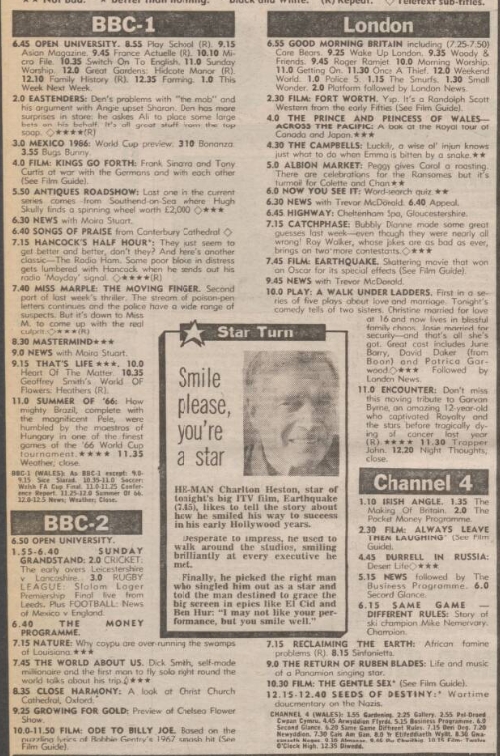
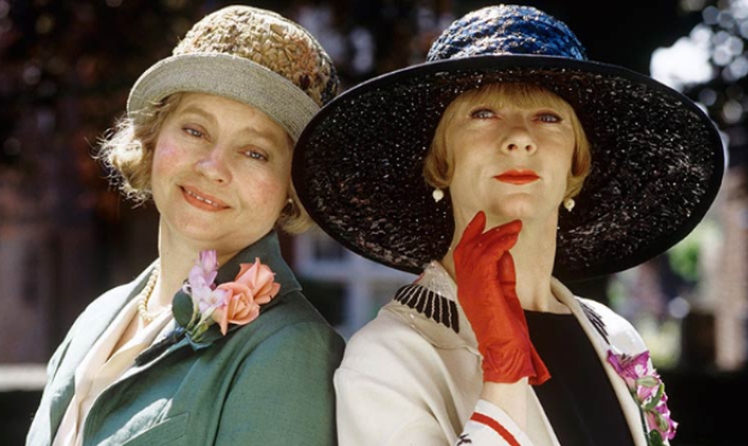
When rifling through these schedules it’s very noticeable how many repeats there were in primetime. Along with Tony Hancock, there’s another chance to see the second and final episode of Miss MarpleThe Moving Finger. This is a swifter re-run than the Lad’s effort though (originally broadcast in February 1985).

The Moving Finger might not be Christie’s most baffling mystery, but it’s always been a favourite of mine. Julia Jones’ adaptation treats the source material with respect – she makes changes along the way (Miss Marple, for example, only made a fleeting appearance in the original novel) but Christie’s voice remains clear. Some recent writers who have tackled the Dame’s work and twisted it almost out of recognition, should take note …

And with direction from Roy Boulting and an excellent cast (Michael Culver, Richard Pearson, Sabina Franklyn, Hilary Mason and John Arnatt) you can’t really go wrong.

Back to May 1986 (17th May 1986)

There’s not too much available that’s appealing to me on the BBC channels today (Sorry! is a possibility though, if I’m really desperate).

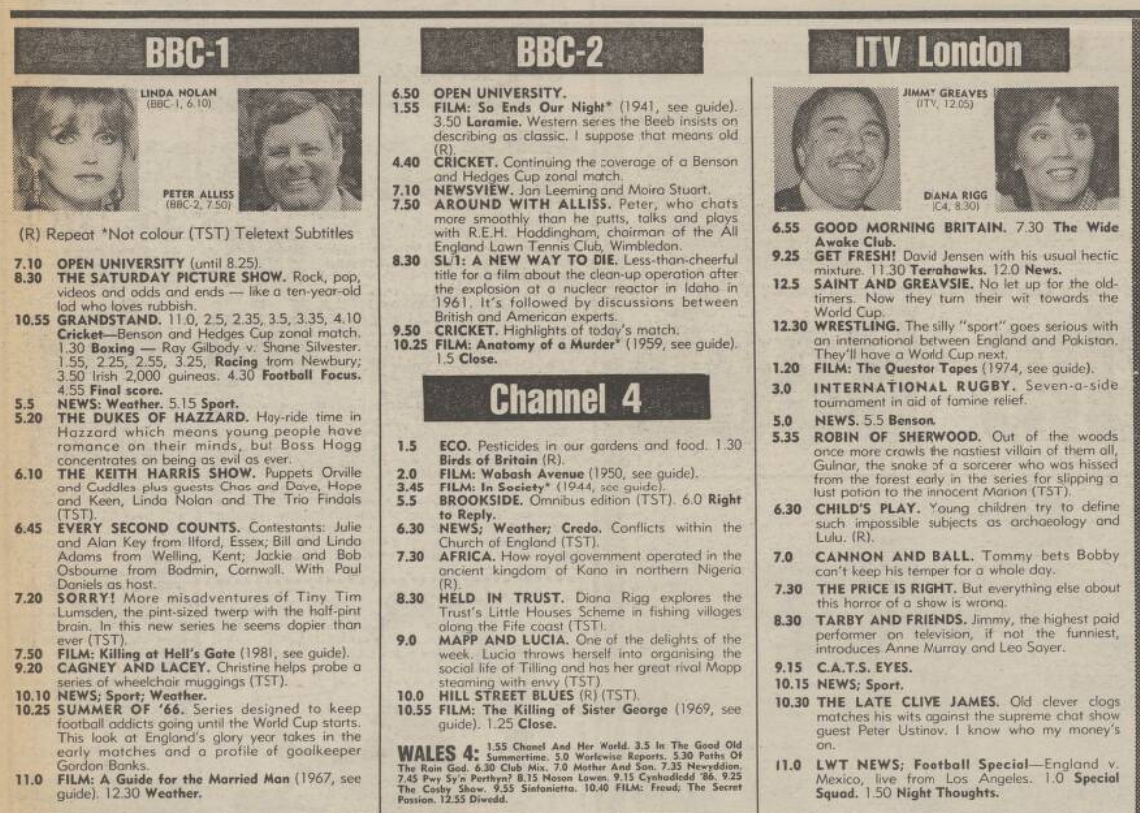
ITV’s a happier hunting ground – with Robin of Sherwood and C.A.T.S. Eyes. Robin of Sherwood has reached series three – which means that Jason Connery is now the hooded man (he’s not many people’s favourite RH – most seem to favour Michael Praed – but, given his inexperience, he gives the role a decent fist).

Today’s episode is Cromm Cruac (or, as the Video Gems VHS inexplicably called it, Cromwell’s Crusade). This means that Richard O’Brien returns as the cackling Gulnar, with Ian Redford, Larry Dann and Graham Weston also featuring.

C.A.T.S. Eyes is a very odd series. Taking a character (Maggie Forbes) from a straightforward police series (The Gentle Touch) and plonking her down in the middle of a glossy adventure show was such a strange move. Today’s episode, Freezeheat, was written by series creator Terence Feeley and features Daniel Peacock and Tony Doyle. I can’t confess to having a great deal of love for C.A.T.S. Eyes as it was just a little too bland for my tastes (ITV would continue for a while to churn out series with a similar formula – eventually ending up with the deeply unloved Saracen).

Undoubted highlight of the day is Mapp & Lucia on C4. The episode in question is Lady Bountiful, which sees Lucia drop a bombshell when she announces her engagement to Georgie. Au reservoir!

Back to May 1986 (16th May 1986)

The randomiser has taken me back to 1986, to sample a week’s television. What does Friday the 16th of May offer? Let’s take a look ….

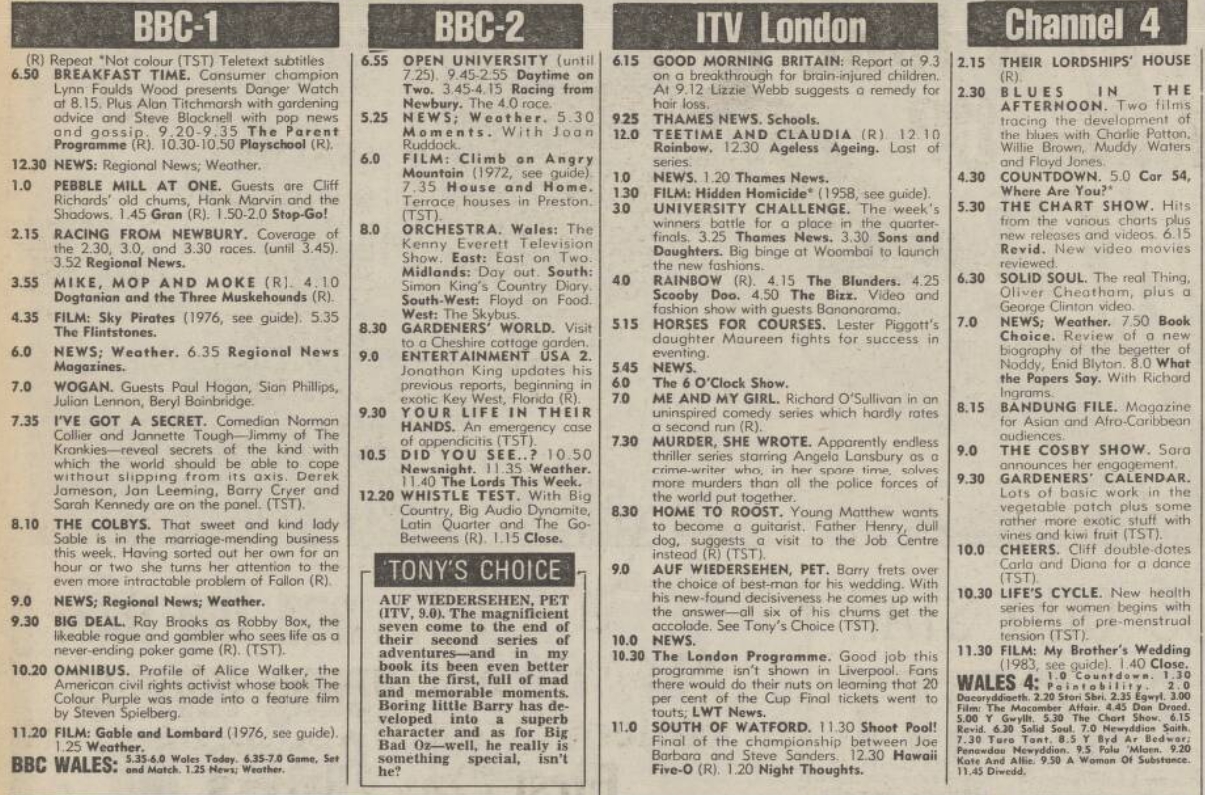
BBC1 offers a repeat of Home and Dry, the final episode from Big Deal’s first series (watching this might spur me into attempting a complete rewatch). There’s more repeats on ITV – Me and My Girl and Home to Roost. Me and My Girl isn’t greeted with much enthusiasm by the Daily Mirror blurb writer, Tony Pratt (who also seems unaware that the show had already clocked up three series by this point) but you can’t argue with the combined talents of O’Sullivan, Brooke-Taylor and Sanderson.

Home to Roost isn’t a sitcom that’s ever really clicked with me (which is surprising, since I’ve always enjoyed most of Eric Chappell’s output). Maybe time to give it another go and see if it’s more engaging this time round.

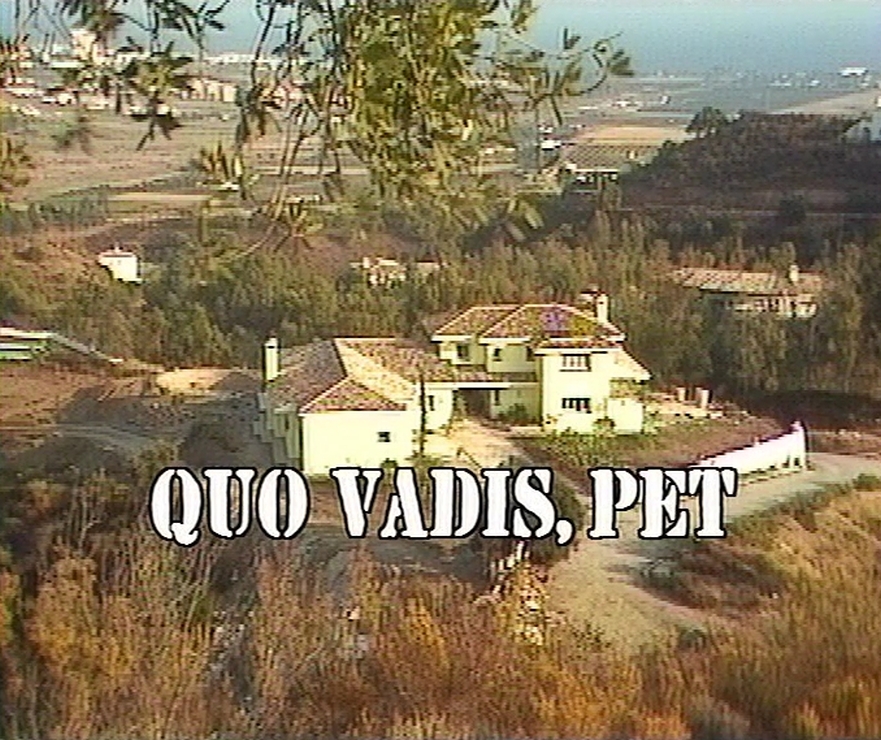
The undoubted pick of the evening is Quo Vadis, Pet, the final episode of Auf Wiedersehen, Pet‘s second series. At the time this seemed to be the final end (although it’s slightly disturbing to realise that the first comeback series aired twenty years ago. Where has that time gone?)

The second series, of course, was overshadowed by the death of Gary Horton – especially towards the end of the run when his absence had to be explained away by a double passing through shot or amended dialogue. Despite this, all of the series’ remaining story threads are neatly tied up and even if the second half of series two did sag a little, I’d have to say it slightly edges the first run as my favourite.

The Largest Theatre in the World: Heart to Heart by Terence Rattigan (6th December 1962)

Heart to Heart by Terence Rattigan was the first production in an intriguing venture – The Largest Theatre in the World. It was the brainchild of Sergio Pugliesle, director of television at the Italian broadcaster RAI. He outlined the project in the following way. “Let us overcome language by inviting the nations in turn to commission from a leading playwright a play which will be simultaneously produced in each country in its own language, so that on the chosen night the audience for the performance will represent the largest theatre in the world”.

Thirteen countries (including France, Belgium, Spain, Italy and Norway) signed up for the venture, all of them receiving a modified version of the play from Rattigan and the UK director Alvin Rakoff.

Although not as enduring as Pugliesle’s other brainchild (the Eurovision Song Contest), the BBC screened a number of productions under the Largest Theatre in the World banner during the 1960’s. Some, like Harold Pinter’s The Tea Party in 1965 were well received, others such as Pitchi Poi in 1967 garnered only lukewarm notices (Angela Moreton in The Stage and Television Today complained that it contained “dubious cliches” and summed the venture up as a “mere European propaganda exercise”).

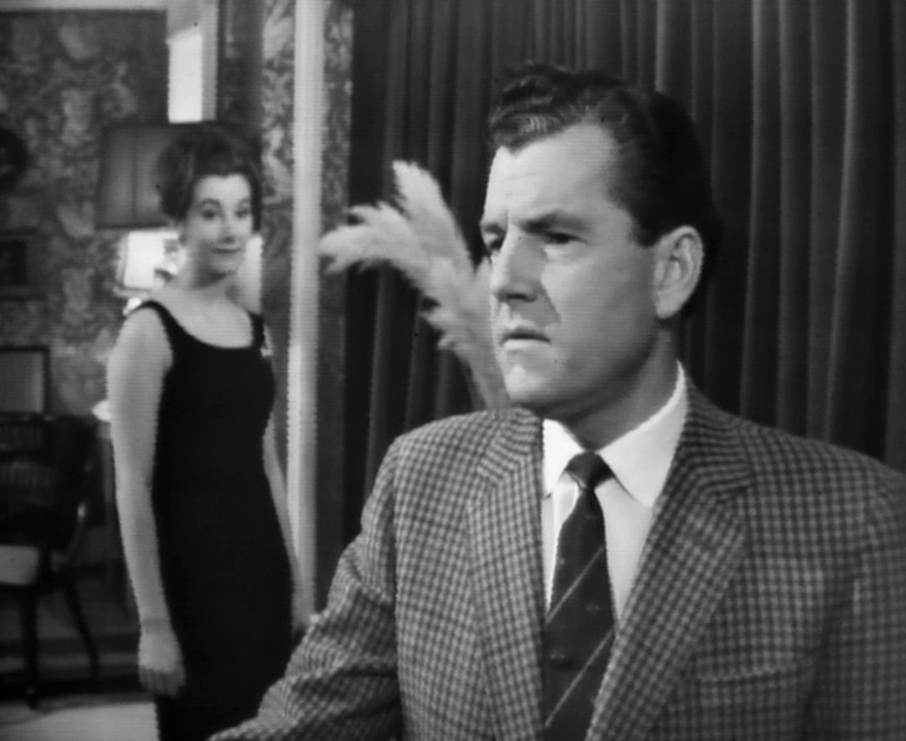
Returning to Heart to Heart, it aired on the BBC on the 6th of December 1962. Kenneth More and Ralph Richardson headed the cast, with Jean Marsh, Peter Sallis, Wendy Craig, Angela Baddeley and Megs Jenkins in support.

Although Kenneth More had been one of Britain’s top film stars during the 1950’s, at the start of the next decade there were signs that his star was slipping. Changing fashions meant that he would spend the majority of his career from this point on working in television, although given the quality of some of his later projects (The Forsyte Saga, Father Brown, An Englishman’s Castle) that shouldn’t be taken as a negative.

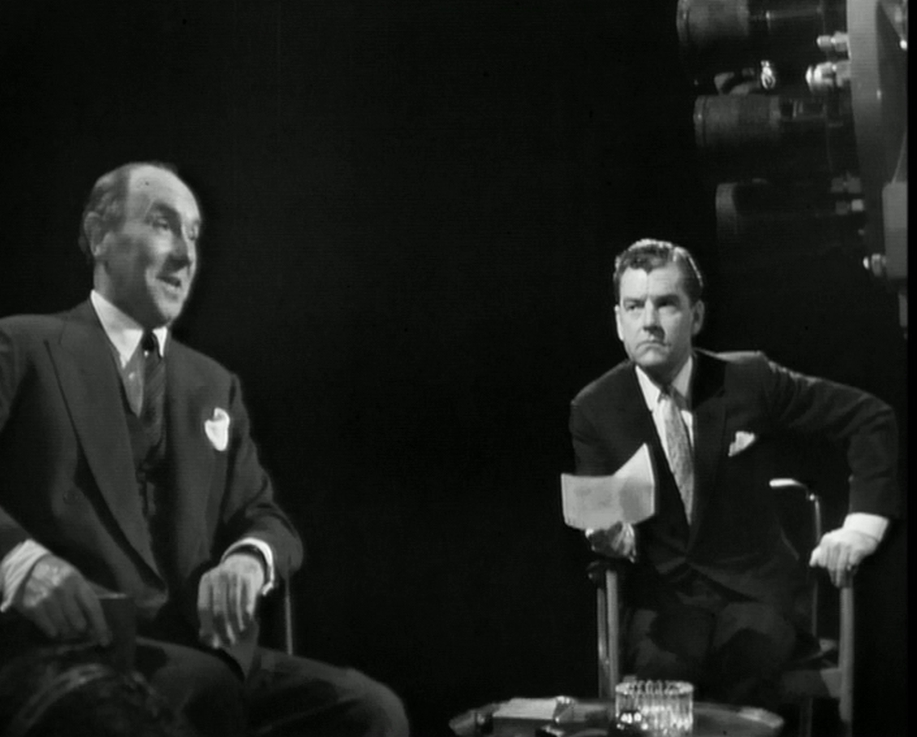
More, as television interviewer David Mann, dominates Heart to Heart (he’s onscreen for pretty much all of the play’s 115 minutes). Whilst it’s fair to say that Ralph Richardson (as Sir Stanley Johnson) steals most of the scenes he appears in, More is the glue which holds Heart to Heart together.

David Mann is a typical Rattigan creation – emotionally fragile, he’s trapped a loveless marriage with Peggy (Jean Marsh) with whom it’s taken years to even begin to articulate his dissatisfaction. Mann is infatuated with a colleague, Jessie Weston (Wendy Craig), but whilst her marriage is equally unsatisfying, Jessie can’t bring herself to leave her husband which means that all the characters seem doomed to remain in stasis.

Within the play, the programme Heart to Heart is a thinly disguised copy of Face to Face with David Mann cast in the John Freeman role. Rattigan opted not to set the play within the BBC, instead the television organisation is British Television (BTV), the country’s fifth television network. This feels somewhat unsatisfying, as the majority of the production was very clearly recorded in the Television Centre, but given the contentious part of the piece (corrupt politician Sir Stanley Johnson attempting to block the network from asking probing questions about his past) it’s not difficult to understand why this decision was taken.

Sir Ralph Richardson essays a Northern accent (which seems to come and go a bit) as Sir Stanley Johnson, a blunt, man of the people who has risen through the ranks to now hold a senior post in the government (and be tipped by some as a future prime minister). It’s an ideal role for Richardson, offering him some stand-out scenes (especially Johnson’s live on-air confession) and the way the cat and mouse clash between Mann and Johnson develops is fascinating to observe.

The supporting roles are uniformly strong. Jean Marsh might be forced to adopt a rather strange accent, but this sort of works as it fits Peggy’s unfathomable character. Wendy Craig and Peter Sallis, both dependable performers, are solid throughout whilst Megs Jenkins as Lady Johnson is both amusing and touching (by now nothing about her husband seems to shock Lady Johnson – at least on the surface). Angela Baddeley, as the whistleblower Miss Knott, dominates the screen for the short time (around seven minutes) that she’s onscreen. And in the quieter moments you can amuse yourself by spotting some future Coronation Street alumni (Jean Alexander and Stephen Hancock) in minor roles.

Heart to Heart is a play that still remains relevant today, indeed possibly even more now than it did then. A politician is confronted with proof of his corruption – initially he denies it completely, then attempts to rubbish the people supplying the information. But when it becomes obvious that the truth will have to come out, he takes command and spins his confession in such a way as to invite sympathy from the watching audience. Although Sir Stanley Johnson is initially contemptuous about the prospect of trial by television, he manages to manipulate the truth by using the medium in a very skillful way which belies his (clearly false) bumbling persona.

Apart from the obvious quality of the play and the performances, there’s another reason for watching Heart to Heart – it gives you a good insight into the BBC studio environment of the early 1960’s. This is especially apparent during the opening titles where Alvin Rakoff takes the camera on an impressive trip around the studio in a single take (given the bulk and immovability of the cameras he would have been working with, it’s especially noteworthy).

If you want to check this out, then it’s available on the Terence Rattigan at the BBC DVD boxset.

Back to May 1977 (1st May 1977)

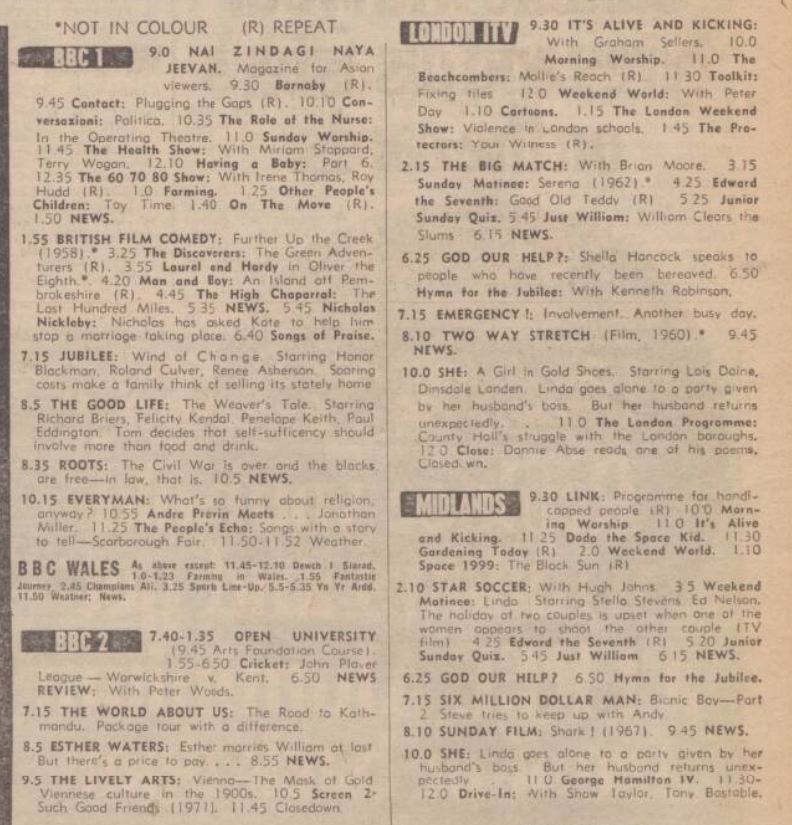
Rounding off my week in 1977 with a skim through Sunday’s schedules.

The Good Life is an obvious pick – tonight’s new episode is The Weaver’s Tale.

It never fails to give me a twinge of amusement when somebody comments on Twitter about how selfish Tom is – why has it taken them so many decades to work this out? Tonight’s episode is a perfect example of his working methods – Tom spends his and Barbara’s hard earned profit on a loom without consulting her. No surprises though that everything works out in the end.

London ITV has an afternoon repeat of The Protectors whilst the Midlands plumps for Space 1999. I think I’ll go for The Protectors (partly because Space 1999 has never really interested me and partly because The Protectors, although far from perfect, rarely outstayed its welcome at 25 minutes).

I’ll stick with ITV for a repeat of Edward VII and (from a variety of regional films) Two Way Stretch.

If I had access, then both Jubilee and She would be on my list. Maybe they’ll surface sometime in the future, fingers crossed …

Back to April 1977 (30th April 1977)

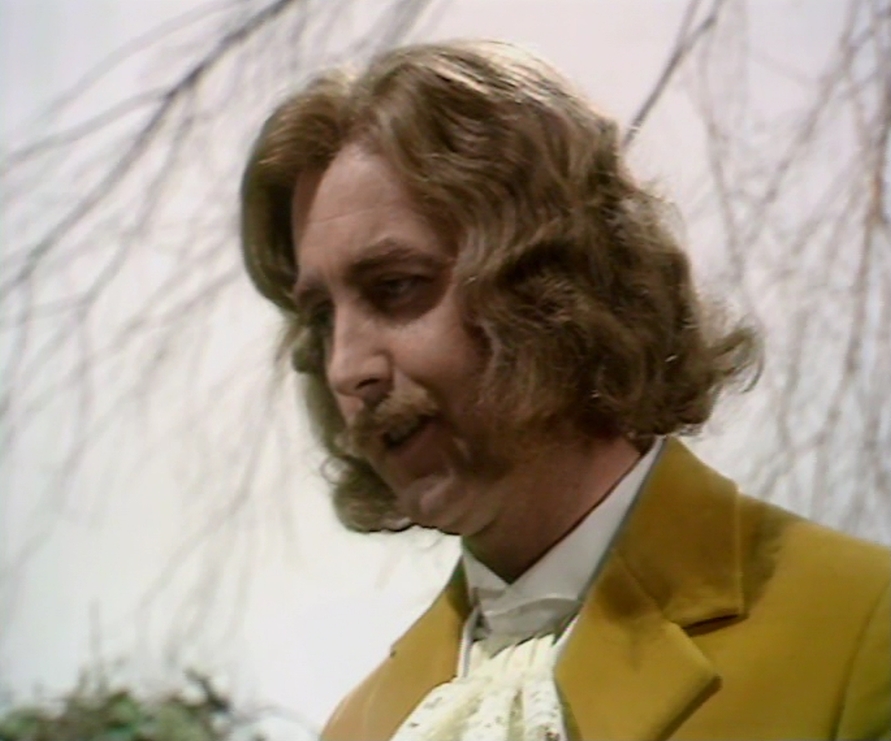
First up this evening will be Wodehouse Playhouse on BBC2. A repeat of an episode from the first series (Unpleasantness at Bludleigh Court) originally broadcast in 1975, this is one of the stronger efforts (even though John Alderton’s wig is very distracting). I’ve always found Wodehouse Playhouse to be something of an uneven watch, but maybe it’s about time to give them all another try.

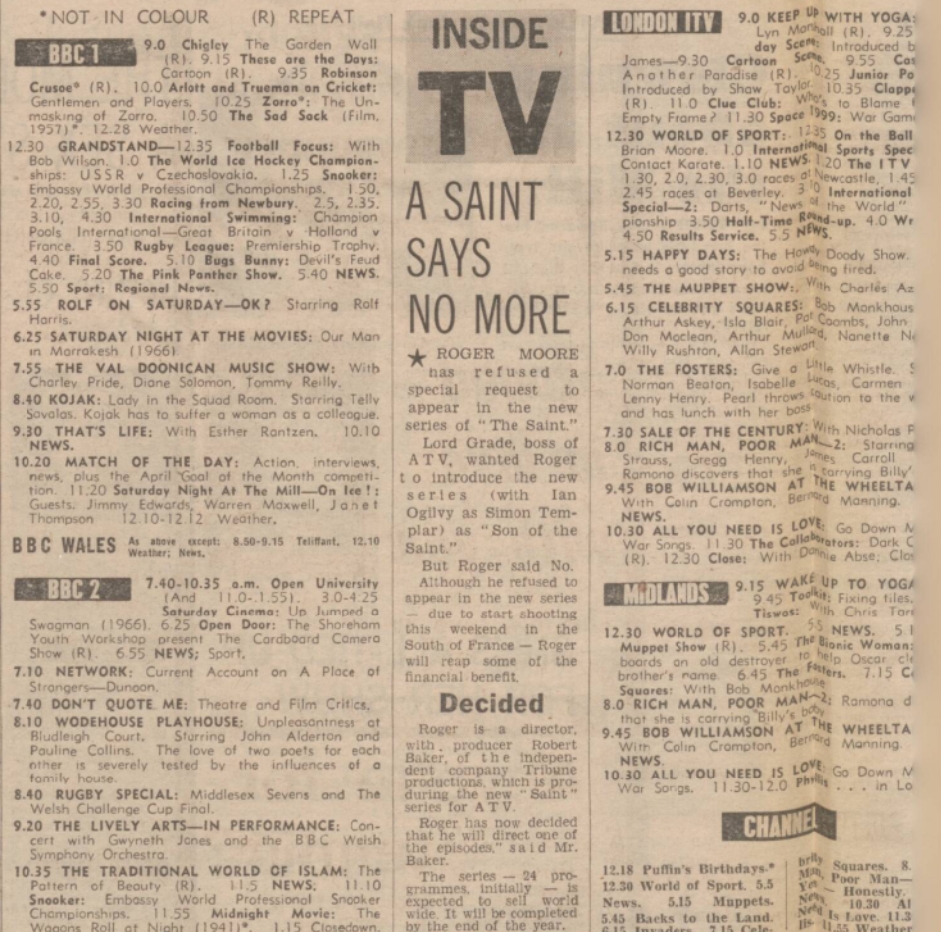
Then it’s over to BBC1 for Kojak. The Daily Mirror synopsis of Lady in the Squad Room (Kojak has to suffer a woman as a colleague) slightly chills the blood, but the episode isn’t quite as forbidding as this suggests.  It’s obvious what the plot will be (feisty female battles male resentment before proving that she’s just as good as the men, honest).  Even given this clichéd material, Joan Van Ark is very good as Det. Josephine Long (a pity she was just a one-shot character).

I’ll then round things off with Bob Williamson at the Wheeltappers. Williamson was a folk/comedy performer who had a similar style to the likes of Jasper Carrott, Mike Harding and Billy Connolly, and his turn makes for a pretty convivial half-hour. If you haven’t got it, then I can recommend the sixth and final series of the Wheeltappers on DVD.  Not only for its decent line-up of shows like this one, but also for the studio tape of an unaired edition (which might not offer too much in the way of entertainment, but is a fascinating spotlight on how shows like this were put together).

Back to April 1977 (29th April 1977)

Drawing a blank with the BBC channels, but luckily ITV is a pretty happy hunting ground today.

First, there’s a repeat of The Ghosts of Motley Hall. You can’t fault the cast (Arthur English, Peter Sallis and Freddie Jones amongst others) plus you’ve got scripts from Richard Carpenter, so we should be set for an entertaining half hour.

At 7.30 pm on London there’s an episode of Backs to the Land (Alarms, Excursions and Day Trips). This DVD’s been sitting on the shelf for a while, so this is a good opportunity to dust it down and take a look (David and Michael Troughton featured in the first series playing – not surprisingly – brothers).

After Hawaii Five O, the main drama of the evening will be Raffles. Mr Justice Raffles is tonight’s installment – John Savident (on excellent form as an odious moneylender) and Charles Dance guest in an episode from towards of the end of the series. Like the majority of the episodes it was adapted by Philip Mackie, which is an extra incentive to watch (two of Mackie’s previous serials, The Caesars and An Englishman’s Castle, are currently sitting on my tottering pending rewatch pile).

Back to April 1977 (28th April 1977)

There’s pretty slim pickings on offer today. Thanks to the Talons DVD, I can watch how to make a model Dr Who theatre courtesy of Blue Peter. It looks rather complicated though, so I don’t think I’ll bother ….

Later also on BBC1 there’s Top of the Pops. The Punk wars might be raging on the streets of Britain but at this point the TOTP studio felt hermitically sealed off from that sort of thing – middle-of-the-road fare is what you can expect today.

Hosted by an uncomfortably grabby DLT, the show isn’t without interest though. There’s the likes of Contempt with a catchy ditty called Money is a Girl’s Best Friend. I also rather enjoyed the new 10cc video (Good Morning Judge) and goggled at the outfits worn by Rags (performing Promises Promises).

The undoubted highlight was Billy Ocean’s Red Light Spells Danger.  With a live vocal and enthusiastic backing from the Pops Orchestra and The Ladybirds, it’s a very entertaining performance (even if he’s stuck at the back of the studio behind two very bouncy dancers and forced to sing to an audience who seem less than enthused).

https://youtu.be/Q4XvmGABH88

Anglia offers Paul Daniels At The Wheeltappers. Given that this final run wasn’t networked, it’s possibly not a surprise that the series rather spluttered to a halt and didn’t return after these 1977 shows aired. A pity, as I’m rather fond of the At The Wheeltappers format – a half hour show with just the one turn (provided, of course, that they were a good one) gave them plenty of time to present a decent showcase – something that the earlier series didn’t always manage to do.

Back to April 1977 (27th April 1977)

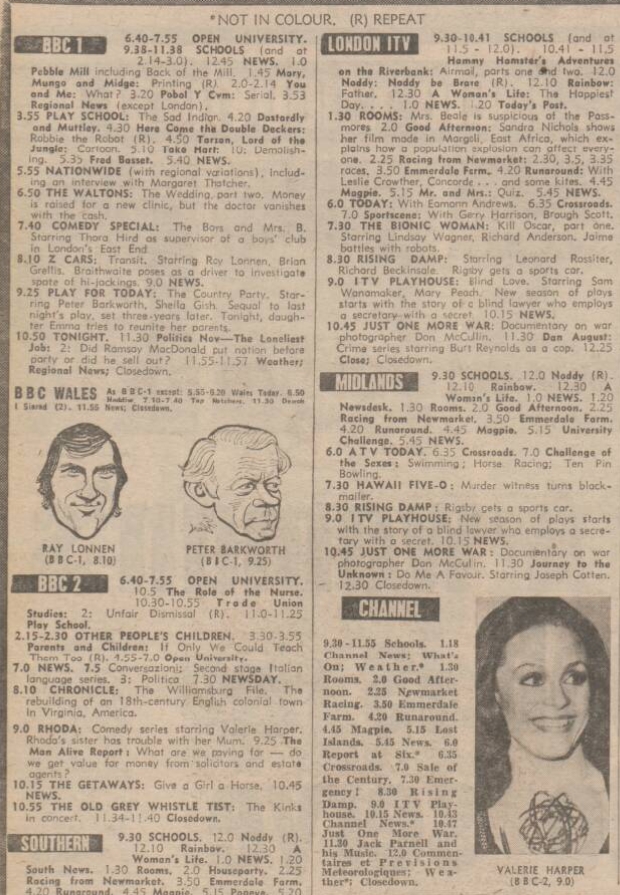
First stop is The Peacemaker, an episode from the third and final series of Survivors. Written by Roger Parkes it was the first of three scripts he contributed to series three (having already penned two episodes the year before). Parkes had an interestingly varied career – beginning with ITC series like The Prisoner and Man in a Suitcase before plying his trade during the seventies with the likes of Doomwatch, Crown Court, The Onedin Line, Blakes 7 and Z Cars (amongst others).

The M*A*S*H boxset has been sitting on my shelf for a number of years, so I might as well dust it down in order to enjoy a repeat of Check-Up.

Over on ITV there’s a repeat of Bless This House. The Frozen Limit is the episode in question (in which Sid and Jean buy a fridge freezer with the inevitable hilarious consequences).

For more light relief there’s Coronation Street. In today’s episode Alf, Fred, Renee and Mavis go fishing and have a day to remember. Renee ends up in the river (the stuntperson performing an athletic forward roll) and Mavis gamely jumps in to save her.

Back to April 1977 (26th April 1977)

First up today is Z Cars. Transit is an episode from the series’ penultimate run and like a fair number of the seventies episodes I’ve sampled, it’s reasonable enough fare (although far less compelling than the series’ early sixties heyday).

Having caught up with the Play for Today repeat yesterday, tonight it’s the sequel – The Country Party. Again written by Brian Clark and starring Peter Barkworth, this one isn’t as memorable as The Saturday Party, but there’s plenty of familiar faces in the cast (such as Tom Georgeson, Donald Pickering and Malcolm Terris). Pauline Quirke and Linda Robson share the screen together, possibly the first time they did so (they had earlier both appeared in several episodes of You Must Be Joking! but I’m not sure if they were on screen at the same time).

Following the recent announcement of Eric Chappell’s death, I’ve been dipping into his back catalogue during the last few days, so tonight’s series three episode of Rising Damp is just the ticket. Rigsby takes Miss Jones for a spin in his new sports car (with the inevitable hilarious consequences).  Tonight’s episode features a nice guest turn from the always reliable Derek Francis.

Back to April 1977 (25th April 1977)

I’ve fired up the Randomiser, which has taken me back to 1977 to spend a week riffling through the television schedules. Hope there’s some good programmes to watch ….

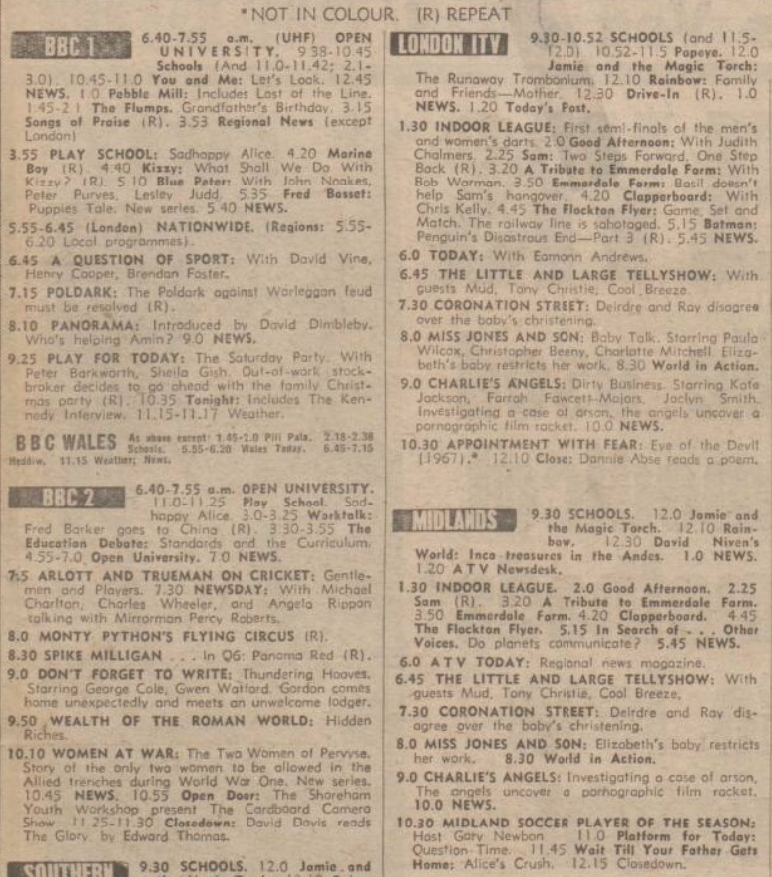
There’s something pleasing about Monty Python and Q6 sitting next to each other on BBC2 (especially since the Pythons were always quick to acknowledge the debt they owed to Spike). Today’s edition of Python hails from the first series (Man’s Crisis of Identity in the Latter Half of the Twentieth Century) which is fine by me, as it’s probably the run of episodes I return to the most.

Given the lengthy gap between Q5 and Q6, Milligan was on top form throughout most of Q6 (later series tended to crop up more regularly and were much more bitty).

I’ve just started rewatching Don’t Forget to Write! so that’s going on the list. This programme always has a slightly odd feel for me – it could easily have fitted into a 30 minute sitcom slot, but instead was a 50 minute non-audience drama/comedy. George Cole, Gwen Watford with Francis Matthews head the cast.

The BBC schedules are stuffed with repeats today. Apart from Python and Q6 on BBC2 there’s also Poldark and Play for Today on BBC1. The Play for Today repeat makes sense as the sequel to this play will be broadcast tomorrow, so I’ll be tuning in for both of them (anything with Peter Barkworth is worth a look).

All of this means that I won’t have much time over on ITV, although if I’ve a spare half hour then there’s always Coronation Street.

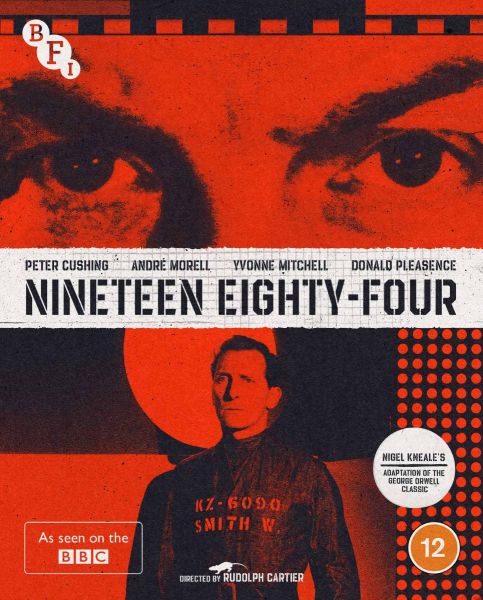
Nineteen Eighty-Four – BFI BD/DVD review

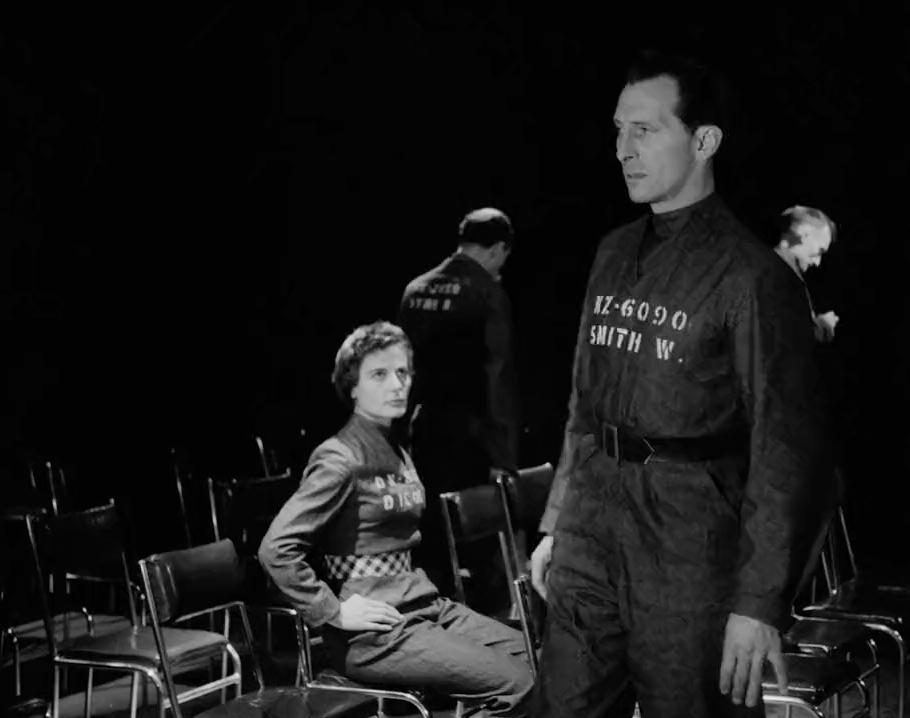
The Sunday Night Theatre adaptation by Nigel Kneale of George Orwell’s Nineteen Eighty-Four (originally transmitted by the BBC on the 12th of December 1954) is a highly significant milestone in the development of British television drama.

Before looking at the programme itself, it’s worth taking a moment to consider the state of British television in 1954. The BBC had launched its television service in 1936, although its reach was initially extremely limited – only 20,000 viewers (those close to the single transmitter at Alexandra Palace) were able to receive the early television transmissions.

The outbreak of World War 2 in 1939 meant that the fledgling BBC TV output was suspended and it wouldn’t resume until June 1946. However, plans for the return of television had been discussed as early as 1943 and one of the major issues to be tackled was how to ensure that the whole of the country – not just those living in London – could view the service.

More transmitters were the answer. Sutton Coldfield in 1949, Holme Moss in 1951 and Kirk O’ Shotts and Wenvoe in 1952 ensured that a further twenty eight million people up and down the country could now access television. There were still gaps in coverage, which would be plugged as the decade progressed, but by the time Elisabeth II was crowned in Westminster Abbey on the 2nd of June 1953, BBC television had firmly established itself nationwide. By 1954 there were 3.2 million television licenses (a sharp increase on the 763,000 licenses registered by 1949).

The launch of ITV in 1955 and BBC2 in 1964 were future milestones which would increase viewer choice – but when Nineteen Eighty-Four was broadcast in December 1954, British television was a one channel service, which meant that the BBC enjoyed the uninterrupted attention of the viewership.

Nineteen Eighty-Four was adapted by Nigel Kneale and produced and directed by Rudolph Cartier.

Nigel Kneale’s (1922 – 2006) earliest BBC credits were on the radio. He appeared several times in the late 1940’s reading his own stories, such as Tomato Cain and Zachary Crebbin’s Angel. Graduating from RADA, Kneale continued to write in his spare time while pursuing an acting career.

After winning the Somerset Maughan award in 1950 for his book, Tomato Cain and Other Stories, he decided to give up acting to become a full-time writer. In 1951 he was recruited by BBC television to become one of their first staff writers. This meant that he would be assigned to work on whatever projects were in production – adapting a variety of books or plays for television broadcast. In 1952 he provided additional dialogue for a play called Arrow To The Heart. The play was adapted and directed by Rudolph Cartier and it would mark the start of a successful working partnership between the two.

Rudolph Cartier (1904 – 1994) was born in Vienna and initially studied architecture before changing paths to study drama at the Vienna Academy of Music and Dramatic Art. Cartier worked for German cinema from the late 1920’s onwards, first as a scriptwriter and then later as a director. After Hitler came to power, the Jewish-born Cartier moved to America to continue his film career.

However his success there was limited, so in the mid 1940’s Cartier moved to the United Kingdom and restarted his career by working as a storyliner on several British films. In 1952, Michael Barry was appointed head of Drama at the BBC and interviewed Cartier for a post as a staff television producer/director. Cartier was of the opinion that the current BBC drama output was “dreadful” and that a new direction was needed to turn things around. Fortunately Barry agreed and Cartier was hired.

After Arrow To The Heart, Kneale and Cartier would next work on The Quatermass Experiment (1953). This six part serial, scripted by Kneale and produced and directed by Cartier, would prove to be an enormous success. Its reputation has endured down the decades – The Times’ 1994 obituary of Cartier highlighted it as “a landmark in British television drama as much for its visual imagination as for its ability to shock and disturb.”
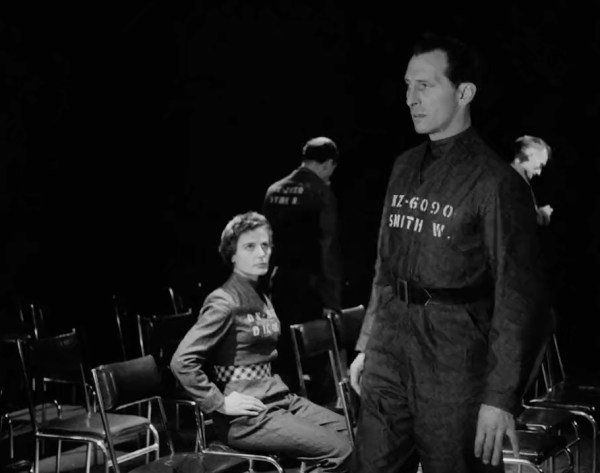
Kneale and Cartier would go on to make two further Quatermass adventures for the BBC – Quatermass II (1955) and Quatermass and the Pit (1958/59). Their other collaborations included another Kneale original, The Creature (1955), as well as adaptations such as Wuthering Heights (1953) and Moment of Truth (1955).

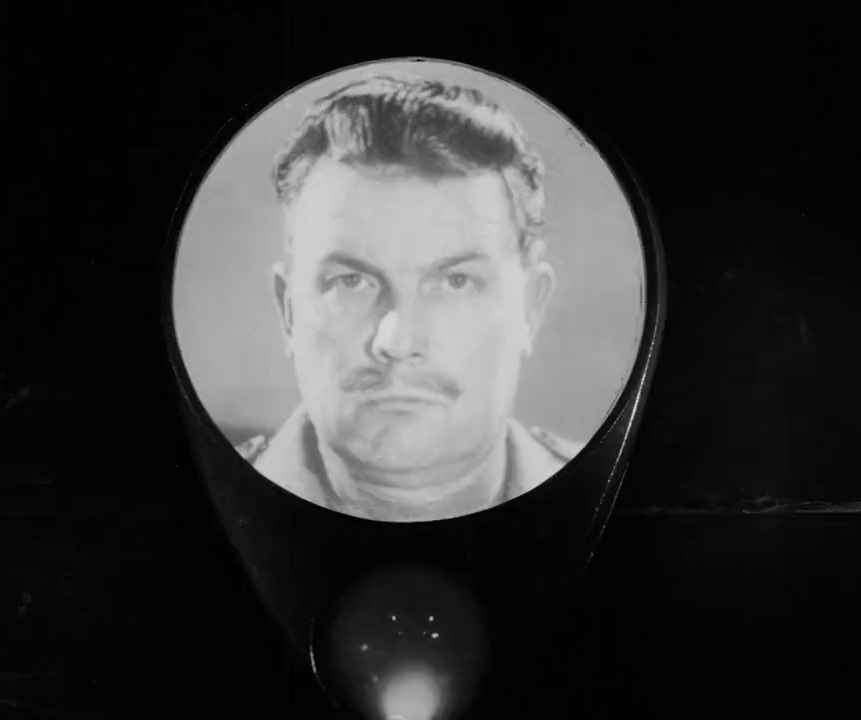
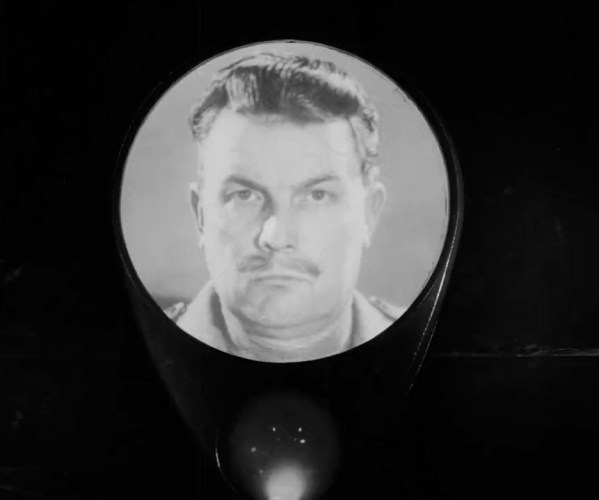
Published in 1949, Nineteen Eighty-Four by George Orwell offers a bleak dystopian picture of the future. The book is set in Airstrip One (formally Great Britain) which is part of the state of Oceania (there are two other states in the world – Eurasia and Eastasia). Oceania is constantly at war with one state whilst allied with the other. But since the allegiances are constantly changing, Oceania’s history has to be regularly re-written in order to maintain the omnipotence of Big Brother.

Winston Smith is a worker in the Ministry of Truth, rectifying “errors” in Big Brother’s previous pronouncements in order to ensure they now accurately record the “truth”. Winston’s desire to investigate the real past leads him to rebel against the state.

A popular and critical success when it was first published, Nineteen Eighty-Four was also a highly controversial book. So it was always going to be a difficult piece to adapt for television, particularly during the early 1950’s.

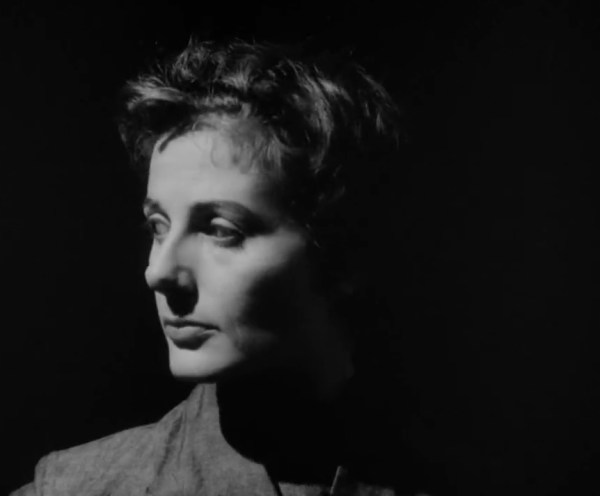
Peter Cushing (1913 – 1994) was cast by Cartier in the main role of Winston Smith. Cushing notched up an impressive series of television roles during the 1950’s, which would lead to Hammer Films approaching him towards the end of the decade to star in their adaptations of Dracula and Frankenstein, thus ensuring his celluloid immortality.

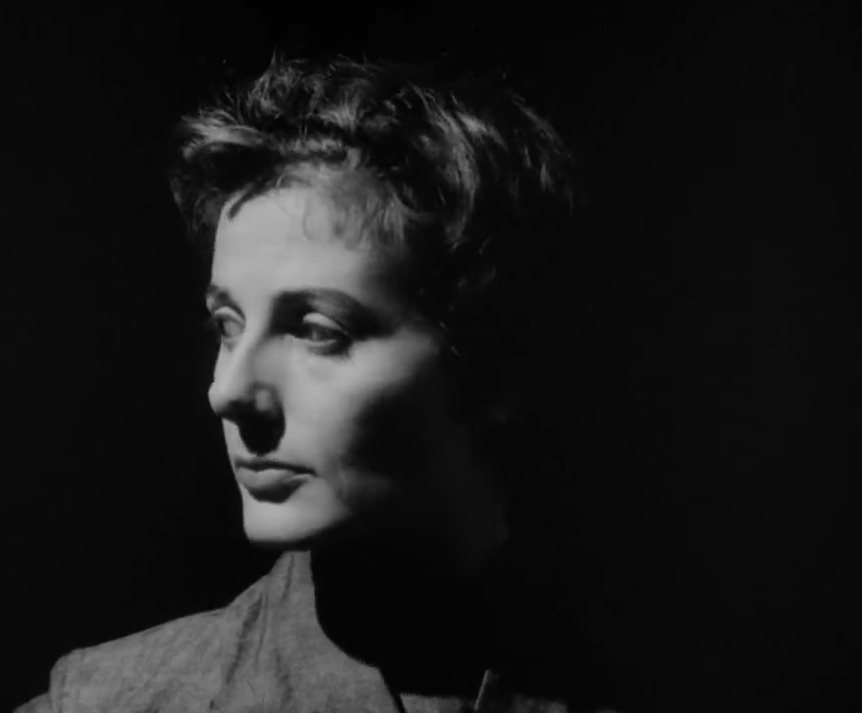
Yvonne Mitchell (who had appeared in the Kneale/Cartier Wuthering Heights) was cast as Julia, Andre Morell (later to play Professor Quatermass in Quatermass and the Pit) was O’Brien whilst the supporting cast included notable performers such as Donald Pleasance and Wilfred Brambell.
The music was composed by John Hotchkis. Cartier disliked recorded music, so the score was conduced live by Hotchkis in Lime Grove Studio E, next door to where the play was being performed. Hotchkis viewed the performance via a monitor in order to ensure that the music stayed in sync with the drama.

Prior to the first live performance on the 12th of December 1954, there was some pre-filming – initially on the 10th of November with additional filming taking place on the 18th of November. Pre-filmed inserts served several purposes – they could be used to present sequences that were impossible to realise in the studio but they were also useful for more practical reasons (allowing the actors time to move from one set to another or for them to make costume changes). The filming also helped to “open out” the drama, for example showing Winston moving through the prole sectors or Winston and Julia’s meeting in the woods.

Kneale’s adaptation remained pretty faithful to the original book, with only a few changes made (such as dropping the section where Julia, working in the PornoSec department, reads an excerpt from one of the erotic novels created by the machines).

Given the limitations of live production, this remains a striking piece of television. Cartier’s use of close-ups on Cushing (along with his pre-recorded thoughts) during the scenes where Winston is struggling to hide his “thought-crime”, allows the viewer an insight into his mind. And this is enhanced by Cushing’s fine performance – throughout the play he is never less than first rate.

He is matched by Andre Morell who as O’Brien exudes an air of cool detachment in all of his scenes (most famously during the torture sequence) which contrasts perfectly with Winston’s doomed humanity.

Probably the most striking aspect of the production, Winston’s torture is another part of the production handled very well by Cartier. The passage of time is signified by numerous fade-ins and fade-outs which helps to create the illusion that a considerable amount of time has passed.  During these scenes, Morell is quiet, calm and reasonable, which is truly chilling.  When the broken figure of Winston, stripped of all dignity, is led away it’s a shocking moment.

Following transmission, there was something of an outcry in certain quarters. Five MPs tabled an early motion, deploring “the tendency, evident in recent British Broadcasting Corporation television programmes, notably on Sunday evenings, to pander to sexual and sadistic tastes.”

However, an amendment to this motion was tabled, in which another five MPs deplored “the tendency of honourable members to attack the courage and enterprise of the British Broadcasting Corporation in presenting plays and programmes capable of appreciation by adult minds, on Sunday evenings and other occasions.”

The play did have supporters in high places though, as the Queen and Prince Philip had watched and enjoyed the production (although this wasn’t made public at the time) and newspaper commentary – from both columnists and viewers – ultimately evened out at around 50% in favour and 50% anti.

Videotape recording was still in its infancy at this time and whilst some telerecordings had already been made of live productions they weren’t always of rebroadcastable standard. For example, the first two episodes of The Quatermass Experiment had been telerecorded, but the results were judged to be disappointing and so it appears that recordings were not made of the subsequent four episodes.

The original transmission of Nineteen Eighty-Four was not recorded so, as was usual at the time when a repeat of a play was required, it was performed again.  We are fortunate that the repeat was telerecorded, enabling us to have a record of the production.

A BD/DVD release of Nineteen Eighty-Four in the UK has been a long time coming. The story begins in 2004, when DD Video issued a press release, stating that a restoration of “exceptional quality” would shortly be issued on DVD. Then everything went quiet – reportedly the Orwell estate had exercised their veto to block the release.

Fast forward ten years to 2014, and this time a press release was issued by the BFI – as part of its Days of Fear and Wonder SF season, a restored DVD was reported to be on its way. But once again it never materialised, leaving us with the assumption that the Orwell estate had also blocked this one.

But since their copyright expired last year, they no longer have the power of veto – hence Nineteen Eighty-Four has eventually appeared on shiny disc.

Like Quatermass and the Pit, the 35mm film elements of Nineteen Eighty-Four still exist and, suitably cleaned up, they now look absolutely gorgeous (albeit with some intermittent tramlining). But it’s worth stating that the film element of the play is fairly minor, so the bulk of the production is obviously never going to look as good as the film work. The telerecording has scrubbed up pretty well though – there’s no doubt that it offers an upgrade from what’s previously been in circulation via the BBC2 and BBC4 repeats and foreign “bootleg” DVD releases.

This new restoration is enhanced by a number of special features.  Jon Dear, Toby Hadoke and Andy Murray provide an entertainingly chatty commentary track which is packed with insight. Hadoke and Murray then return for a 72 minute in-vision discussion about Nigel Kneale and his legacy.

Slightly more digestible in a single sitting is The Ministry of Truth (24 minutes) a discussion between Dick Fiddy and Olivier Wake, in which the pair dispel some of the myths which have grown up around this adaptation of Nineteen Eighty-Four.

A 25 minute excerpt from Late Night Line-Up (1965) is of special interest – reuniting key members of the cast and crew for a roughly tenth anniversary retrospective. The package is rounded off with a handful of production stills, a PDF of the script and (available in early pressings of the disc only) an illustrated booklet with several short but informative essays. There’s also one other brief bonus feature, which wasn’t listed and therefore came as a very pleasant surprise.

Given the technical limitations of live performance as well as the primitive nature of a mid 1950’s telerecording, Nineteen Eighty-Four is still an incredibly compelling piece of television, thanks to all the performers, but particularly Cushing, Morrell and Yvonne Mitchell. Its place in the development of British television drama is a key one and anyone who has the slightest interest in the history of British television should snap it up.

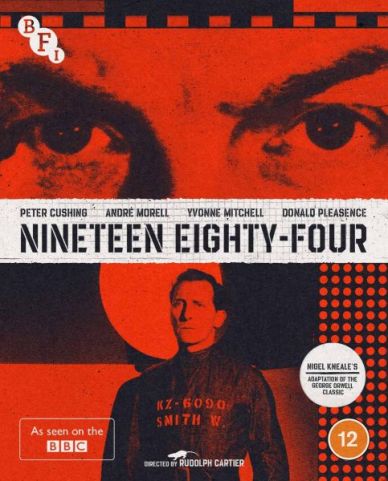
Nineteen Eighty-Four – a dual BD/DVD release – is available now from the BFI and can be ordered via this link.
Back to April 1986 (10th April 1986)

TOTP, EastEnders and I Woke Up One Morning are all tempting on BBC1. EastEnders is still in the middle of the who fathered Michelle’s baby saga, so sparks look likely to fly – especially when the normally mild-mannered Arthur finds his dander is well and truly up.
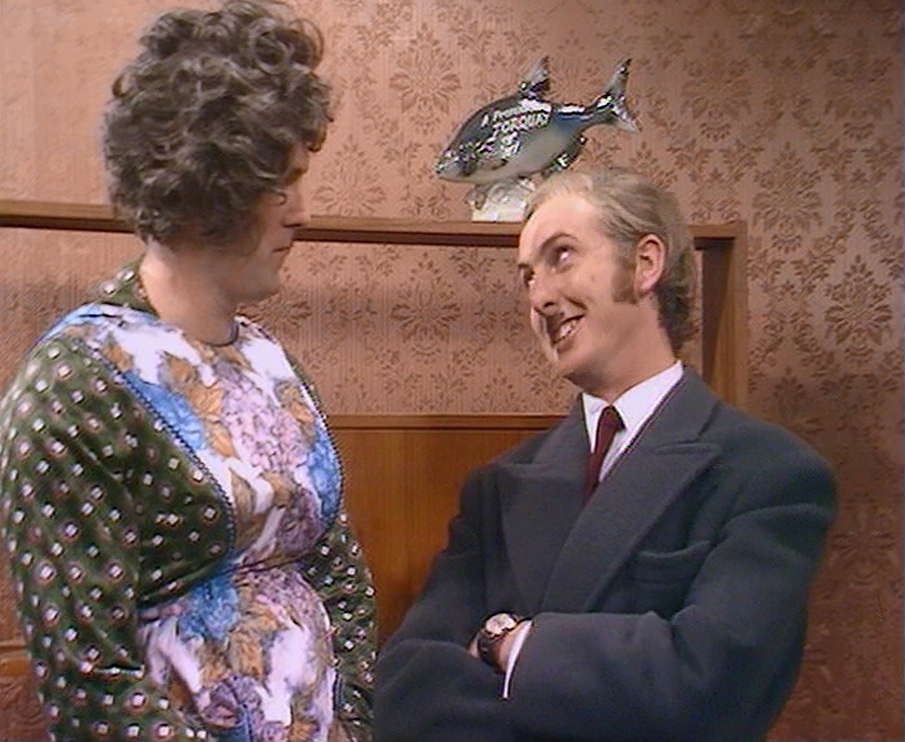
I Woke Up One Morning is one of those programmes that seems to have totally slipped from view – despite a first-rate cast and sharp scripts by Carla Lane. The series’ theme (it’s centered around the travails of a group of recovering alcoholics) doesn’t look like it promises merriment but it manages to be wryly amusing (although bleakness is never too far away).

I might catch the repeat of Star Trek on BBC2 whilst bemoaning the lack of Karen Kay’s show online. Rounding things off with an episode of Kojak on ITV that’s a pretty full evening.