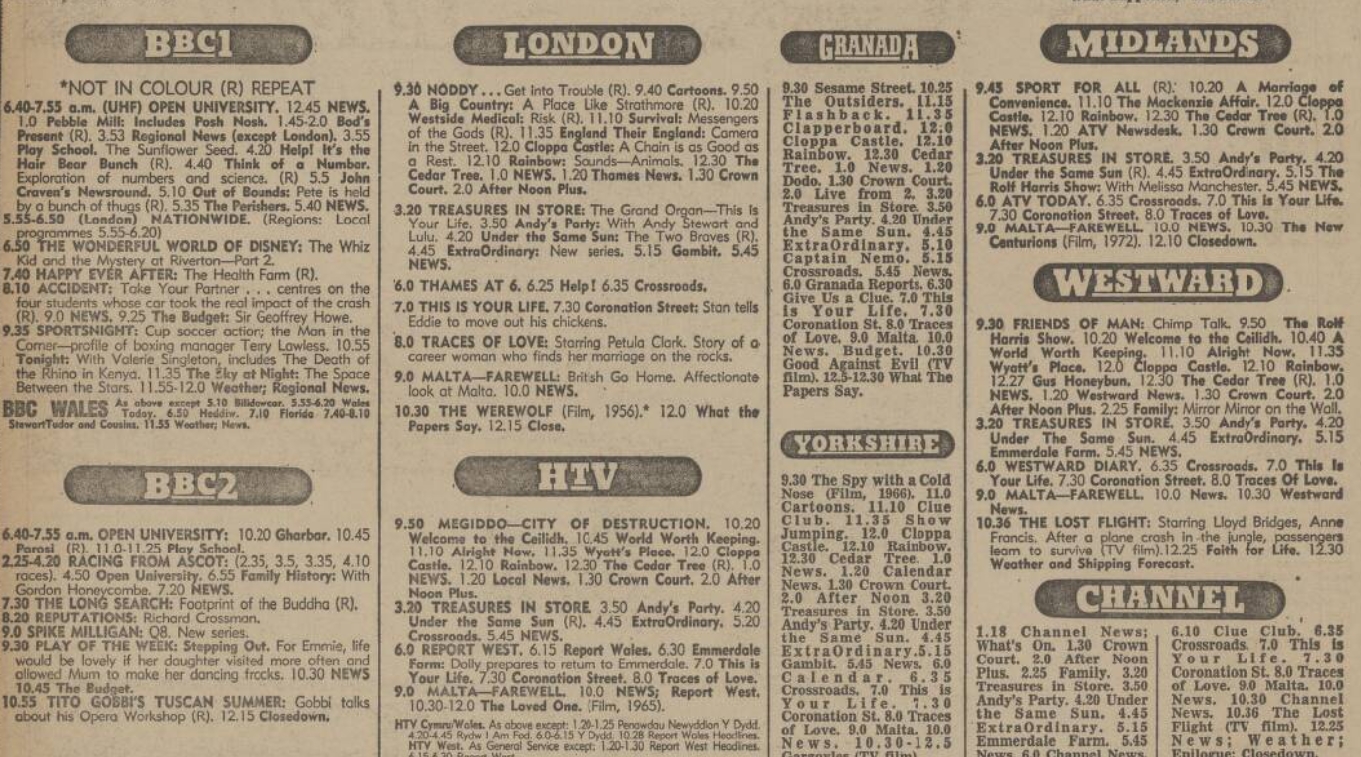
Back to April 1977 (30th April 1977)

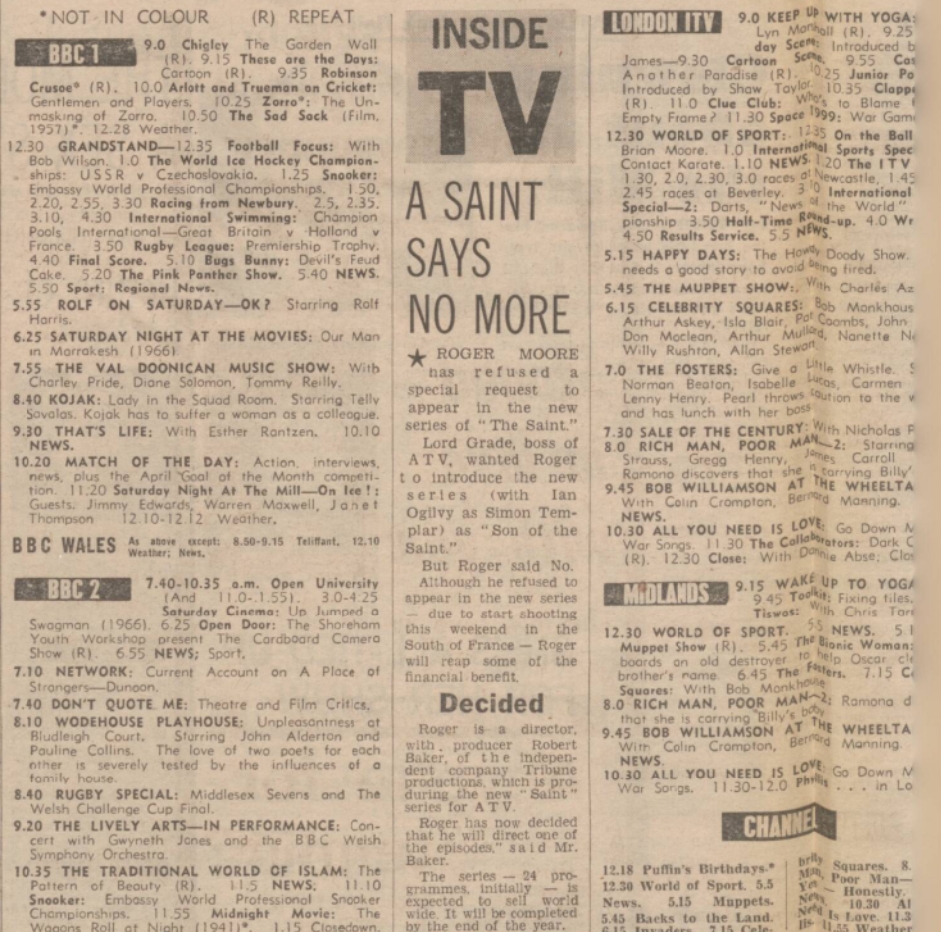
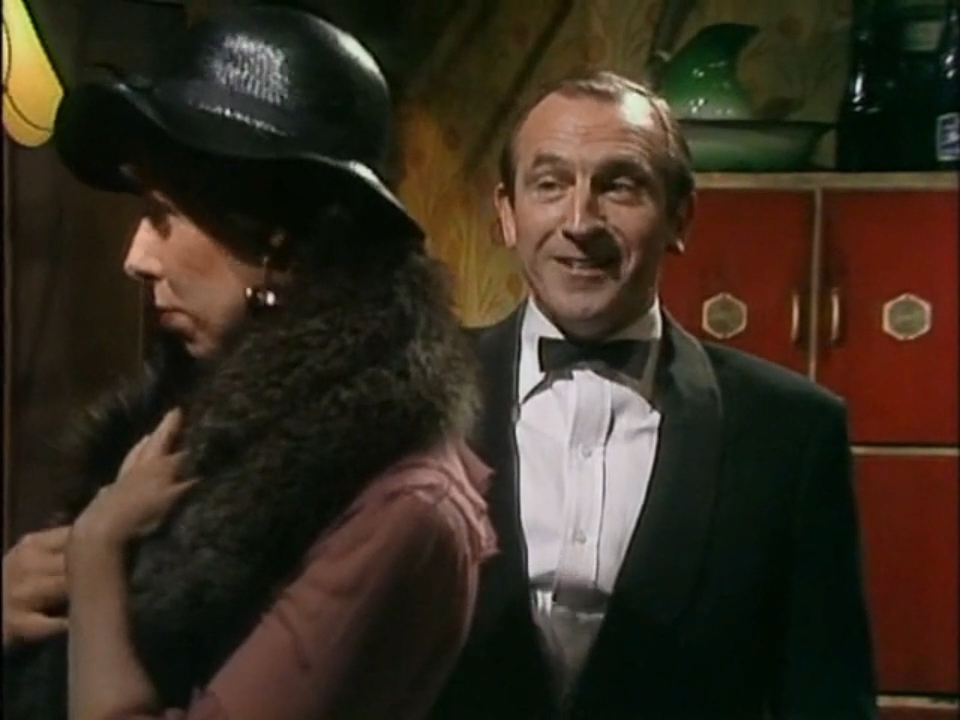
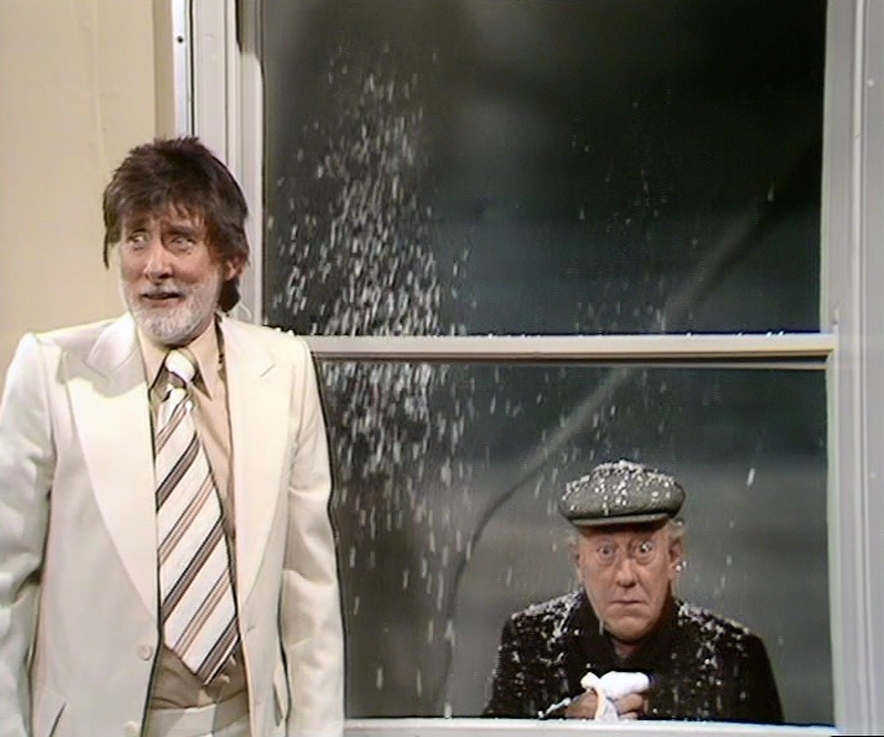
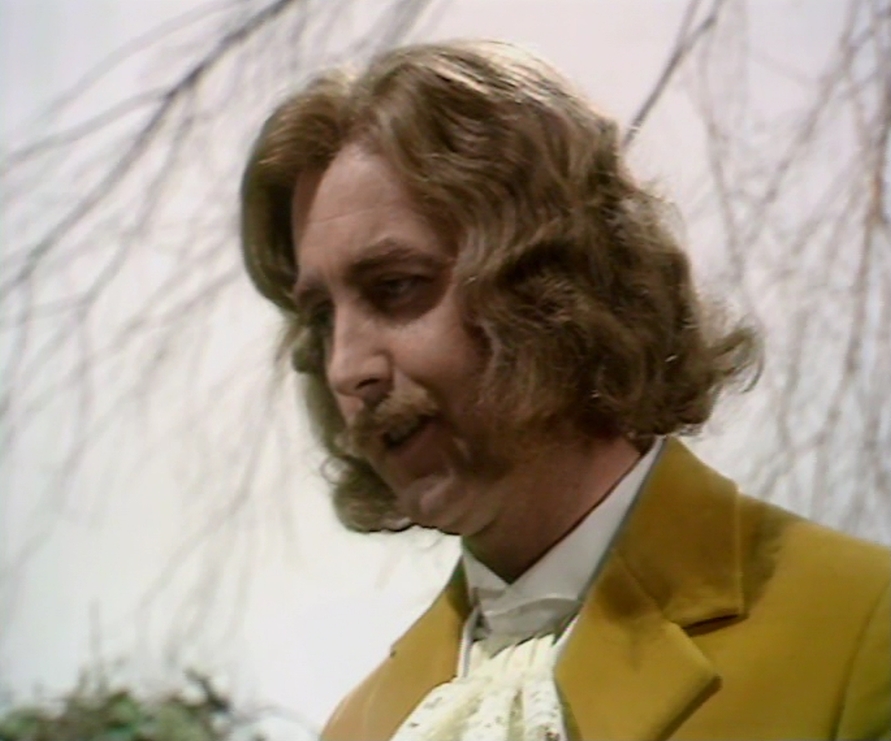
First up this evening will be Wodehouse Playhouse on BBC2. A repeat of an episode from the first series (Unpleasantness at Bludleigh Court) originally broadcast in 1975, this is one of the stronger efforts (even though John Alderton’s wig is very distracting). I’ve always found Wodehouse Playhouse to be something of an uneven watch, but maybe it’s about time to give them all another try.

Then it’s over to BBC1 for Kojak. The Daily Mirror synopsis of Lady in the Squad Room (Kojak has to suffer a woman as a colleague) slightly chills the blood, but the episode isn’t quite as forbidding as this suggests.  It’s obvious what the plot will be (feisty female battles male resentment before proving that she’s just as good as the men, honest).  Even given this clichéd material, Joan Van Ark is very good as Det. Josephine Long (a pity she was just a one-shot character).

I’ll then round things off with Bob Williamson at the Wheeltappers. Williamson was a folk/comedy performer who had a similar style to the likes of Jasper Carrott, Mike Harding and Billy Connolly, and his turn makes for a pretty convivial half-hour. If you haven’t got it, then I can recommend the sixth and final series of the Wheeltappers on DVD.  Not only for its decent line-up of shows like this one, but also for the studio tape of an unaired edition (which might not offer too much in the way of entertainment, but is a fascinating spotlight on how shows like this were put together).

Back to April 1977 (29th April 1977)

Drawing a blank with the BBC channels, but luckily ITV is a pretty happy hunting ground today.

First, there’s a repeat of The Ghosts of Motley Hall. You can’t fault the cast (Arthur English, Peter Sallis and Freddie Jones amongst others) plus you’ve got scripts from Richard Carpenter, so we should be set for an entertaining half hour.

At 7.30 pm on London there’s an episode of Backs to the Land (Alarms, Excursions and Day Trips). This DVD’s been sitting on the shelf for a while, so this is a good opportunity to dust it down and take a look (David and Michael Troughton featured in the first series playing – not surprisingly – brothers).

After Hawaii Five O, the main drama of the evening will be Raffles. Mr Justice Raffles is tonight’s installment – John Savident (on excellent form as an odious moneylender) and Charles Dance guest in an episode from towards of the end of the series. Like the majority of the episodes it was adapted by Philip Mackie, which is an extra incentive to watch (two of Mackie’s previous serials, The Caesars and An Englishman’s Castle, are currently sitting on my tottering pending rewatch pile).

Back to April 1977 (28th April 1977)

There’s pretty slim pickings on offer today. Thanks to the Talons DVD, I can watch how to make a model Dr Who theatre courtesy of Blue Peter. It looks rather complicated though, so I don’t think I’ll bother ….

Later also on BBC1 there’s Top of the Pops. The Punk wars might be raging on the streets of Britain but at this point the TOTP studio felt hermitically sealed off from that sort of thing – middle-of-the-road fare is what you can expect today.

Hosted by an uncomfortably grabby DLT, the show isn’t without interest though. There’s the likes of Contempt with a catchy ditty called Money is a Girl’s Best Friend. I also rather enjoyed the new 10cc video (Good Morning Judge) and goggled at the outfits worn by Rags (performing Promises Promises).

The undoubted highlight was Billy Ocean’s Red Light Spells Danger.  With a live vocal and enthusiastic backing from the Pops Orchestra and The Ladybirds, it’s a very entertaining performance (even if he’s stuck at the back of the studio behind two very bouncy dancers and forced to sing to an audience who seem less than enthused).

Anglia offers Paul Daniels At The Wheeltappers. Given that this final run wasn’t networked, it’s possibly not a surprise that the series rather spluttered to a halt and didn’t return after these 1977 shows aired. A pity, as I’m rather fond of the At The Wheeltappers format – a half hour show with just the one turn (provided, of course, that they were a good one) gave them plenty of time to present a decent showcase – something that the earlier series didn’t always manage to do.

Back to April 1977 (27th April 1977)

First stop is The Peacemaker, an episode from the third and final series of Survivors. Written by Roger Parkes it was the first of three scripts he contributed to series three (having already penned two episodes the year before). Parkes had an interestingly varied career – beginning with ITC series like The Prisoner and Man in a Suitcase before plying his trade during the seventies with the likes of Doomwatch, Crown Court, The Onedin Line, Blakes 7 and Z Cars (amongst others).

The M*A*S*H boxset has been sitting on my shelf for a number of years, so I might as well dust it down in order to enjoy a repeat of Check-Up.

Over on ITV there’s a repeat of Bless This House. The Frozen Limit is the episode in question (in which Sid and Jean buy a fridge freezer with the inevitable hilarious consequences).

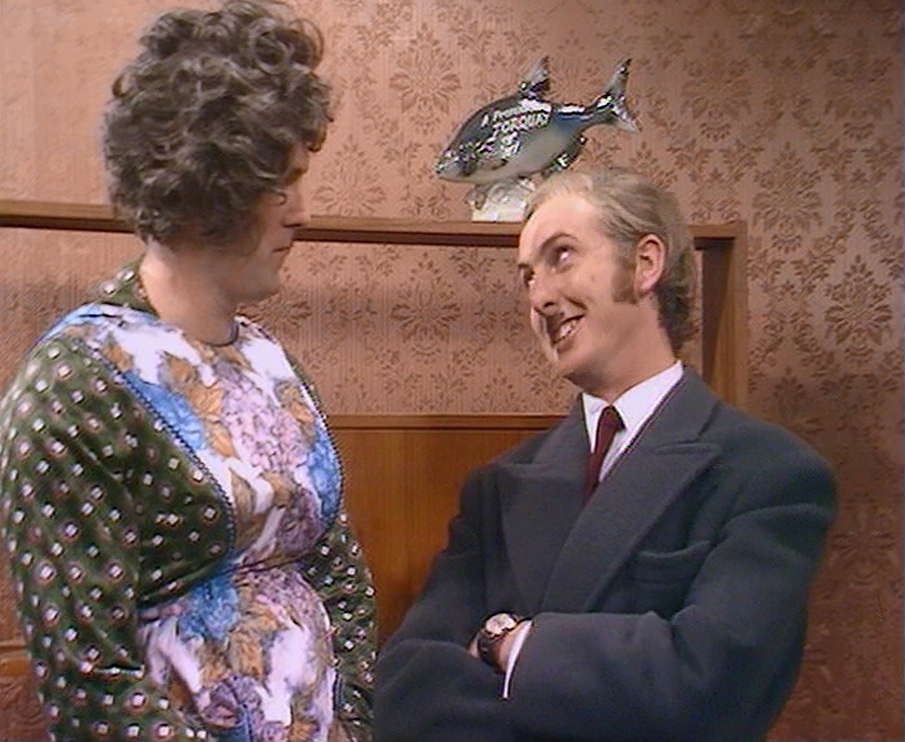
For more light relief there’s Coronation Street. In today’s episode Alf, Fred, Renee and Mavis go fishing and have a day to remember. Renee ends up in the river (the stuntperson performing an athletic forward roll) and Mavis gamely jumps in to save her.

Back to April 1977 (26th April 1977)

First up today is Z Cars. Transit is an episode from the series’ penultimate run and like a fair number of the seventies episodes I’ve sampled, it’s reasonable enough fare (although far less compelling than the series’ early sixties heyday).

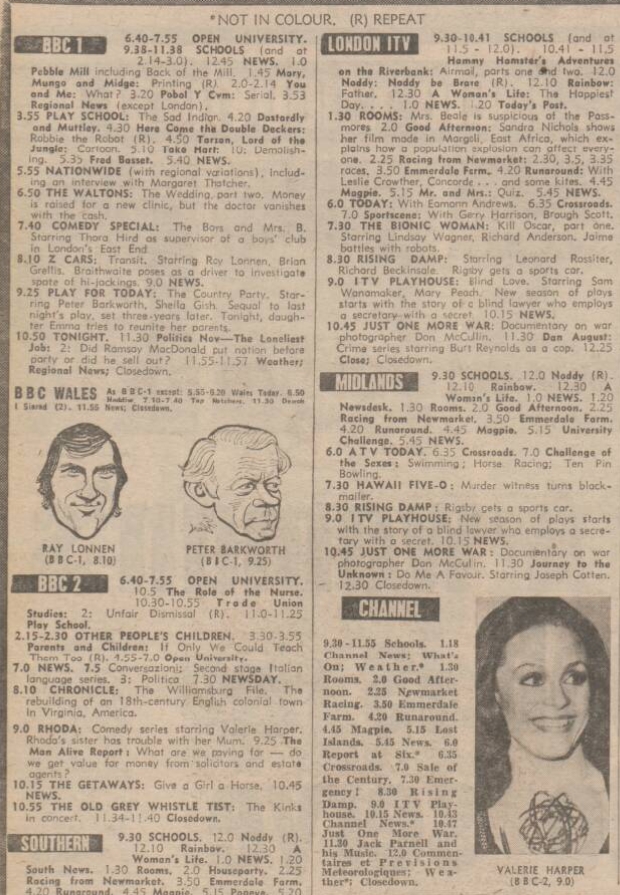
Having caught up with the Play for Today repeat yesterday, tonight it’s the sequel – The Country Party. Again written by Brian Clark and starring Peter Barkworth, this one isn’t as memorable as The Saturday Party, but there’s plenty of familiar faces in the cast (such as Tom Georgeson, Donald Pickering and Malcolm Terris). Pauline Quirke and Linda Robson share the screen together, possibly the first time they did so (they had earlier both appeared in several episodes of You Must Be Joking! but I’m not sure if they were on screen at the same time).

Following the recent announcement of Eric Chappell’s death, I’ve been dipping into his back catalogue during the last few days, so tonight’s series three episode of Rising Damp is just the ticket. Rigsby takes Miss Jones for a spin in his new sports car (with the inevitable hilarious consequences).  Tonight’s episode features a nice guest turn from the always reliable Derek Francis.

Back to April 1977 (25th April 1977)

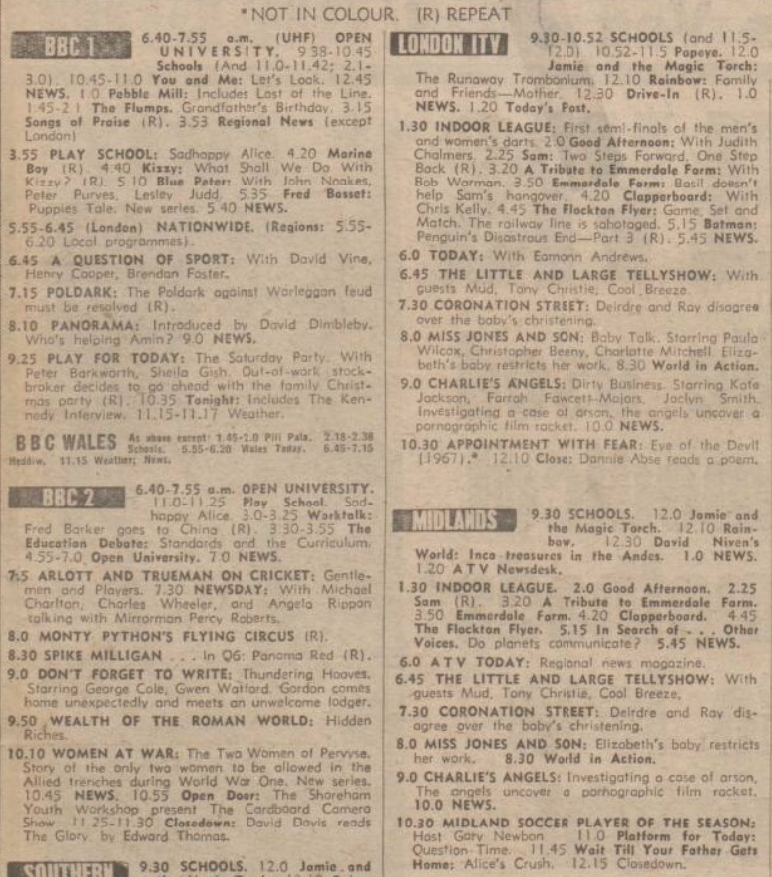
I’ve fired up the Randomiser, which has taken me back to 1977 to spend a week riffling through the television schedules. Hope there’s some good programmes to watch ….

There’s something pleasing about Monty Python and Q6 sitting next to each other on BBC2 (especially since the Pythons were always quick to acknowledge the debt they owed to Spike). Today’s edition of Python hails from the first series (Man’s Crisis of Identity in the Latter Half of the Twentieth Century) which is fine by me, as it’s probably the run of episodes I return to the most.

Given the lengthy gap between Q5 and Q6, Milligan was on top form throughout most of Q6 (later series tended to crop up more regularly and were much more bitty).

I’ve just started rewatching Don’t Forget to Write! so that’s going on the list. This programme always has a slightly odd feel for me – it could easily have fitted into a 30 minute sitcom slot, but instead was a 50 minute non-audience drama/comedy. George Cole, Gwen Watford with Francis Matthews head the cast.

The BBC schedules are stuffed with repeats today. Apart from Python and Q6 on BBC2 there’s also Poldark and Play for Today on BBC1. The Play for Today repeat makes sense as the sequel to this play will be broadcast tomorrow, so I’ll be tuning in for both of them (anything with Peter Barkworth is worth a look).

All of this means that I won’t have much time over on ITV, although if I’ve a spare half hour then there’s always Coronation Street.

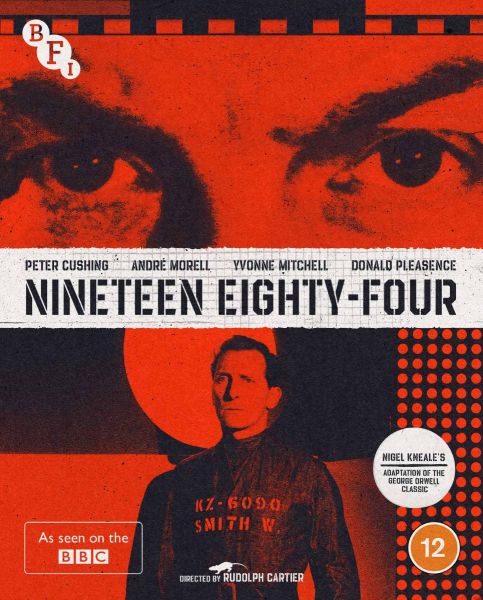
Nineteen Eighty-Four – BFI BD/DVD review

The Sunday Night Theatre adaptation by Nigel Kneale of George Orwell’s Nineteen Eighty-Four (originally transmitted by the BBC on the 12th of December 1954) is a highly significant milestone in the development of British television drama.

Before looking at the programme itself, it’s worth taking a moment to consider the state of British television in 1954. The BBC had launched its television service in 1936, although its reach was initially extremely limited – only 20,000 viewers (those close to the single transmitter at Alexandra Palace) were able to receive the early television transmissions.

The outbreak of World War 2 in 1939 meant that the fledgling BBC TV output was suspended and it wouldn’t resume until June 1946. However, plans for the return of television had been discussed as early as 1943 and one of the major issues to be tackled was how to ensure that the whole of the country – not just those living in London – could view the service.

More transmitters were the answer. Sutton Coldfield in 1949, Holme Moss in 1951 and Kirk O’ Shotts and Wenvoe in 1952 ensured that a further twenty eight million people up and down the country could now access television. There were still gaps in coverage, which would be plugged as the decade progressed, but by the time Elisabeth II was crowned in Westminster Abbey on the 2nd of June 1953, BBC television had firmly established itself nationwide. By 1954 there were 3.2 million television licenses (a sharp increase on the 763,000 licenses registered by 1949).

The launch of ITV in 1955 and BBC2 in 1964 were future milestones which would increase viewer choice – but when Nineteen Eighty-Four was broadcast in December 1954, British television was a one channel service, which meant that the BBC enjoyed the uninterrupted attention of the viewership.

Nineteen Eighty-Four was adapted by Nigel Kneale and produced and directed by Rudolph Cartier.

Nigel Kneale’s (1922 – 2006) earliest BBC credits were on the radio. He appeared several times in the late 1940’s reading his own stories, such as Tomato Cain and Zachary Crebbin’s Angel. Graduating from RADA, Kneale continued to write in his spare time while pursuing an acting career.

After winning the Somerset Maughan award in 1950 for his book, Tomato Cain and Other Stories, he decided to give up acting to become a full-time writer. In 1951 he was recruited by BBC television to become one of their first staff writers. This meant that he would be assigned to work on whatever projects were in production – adapting a variety of books or plays for television broadcast. In 1952 he provided additional dialogue for a play called Arrow To The Heart. The play was adapted and directed by Rudolph Cartier and it would mark the start of a successful working partnership between the two.

Rudolph Cartier (1904 – 1994) was born in Vienna and initially studied architecture before changing paths to study drama at the Vienna Academy of Music and Dramatic Art. Cartier worked for German cinema from the late 1920’s onwards, first as a scriptwriter and then later as a director. After Hitler came to power, the Jewish-born Cartier moved to America to continue his film career.

However his success there was limited, so in the mid 1940’s Cartier moved to the United Kingdom and restarted his career by working as a storyliner on several British films. In 1952, Michael Barry was appointed head of Drama at the BBC and interviewed Cartier for a post as a staff television producer/director. Cartier was of the opinion that the current BBC drama output was “dreadful” and that a new direction was needed to turn things around. Fortunately Barry agreed and Cartier was hired.

After Arrow To The Heart, Kneale and Cartier would next work on The Quatermass Experiment (1953). This six part serial, scripted by Kneale and produced and directed by Cartier, would prove to be an enormous success. Its reputation has endured down the decades – The Times’ 1994 obituary of Cartier highlighted it as “a landmark in British television drama as much for its visual imagination as for its ability to shock and disturb.”
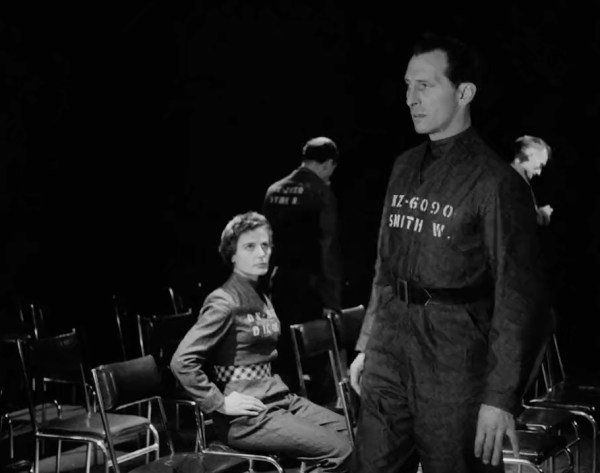
Kneale and Cartier would go on to make two further Quatermass adventures for the BBC – Quatermass II (1955) and Quatermass and the Pit (1958/59). Their other collaborations included another Kneale original, The Creature (1955), as well as adaptations such as Wuthering Heights (1953) and Moment of Truth (1955).

Published in 1949, Nineteen Eighty-Four by George Orwell offers a bleak dystopian picture of the future. The book is set in Airstrip One (formally Great Britain) which is part of the state of Oceania (there are two other states in the world – Eurasia and Eastasia). Oceania is constantly at war with one state whilst allied with the other. But since the allegiances are constantly changing, Oceania’s history has to be regularly re-written in order to maintain the omnipotence of Big Brother.

Winston Smith is a worker in the Ministry of Truth, rectifying “errors” in Big Brother’s previous pronouncements in order to ensure they now accurately record the “truth”. Winston’s desire to investigate the real past leads him to rebel against the state.

A popular and critical success when it was first published, Nineteen Eighty-Four was also a highly controversial book. So it was always going to be a difficult piece to adapt for television, particularly during the early 1950’s.

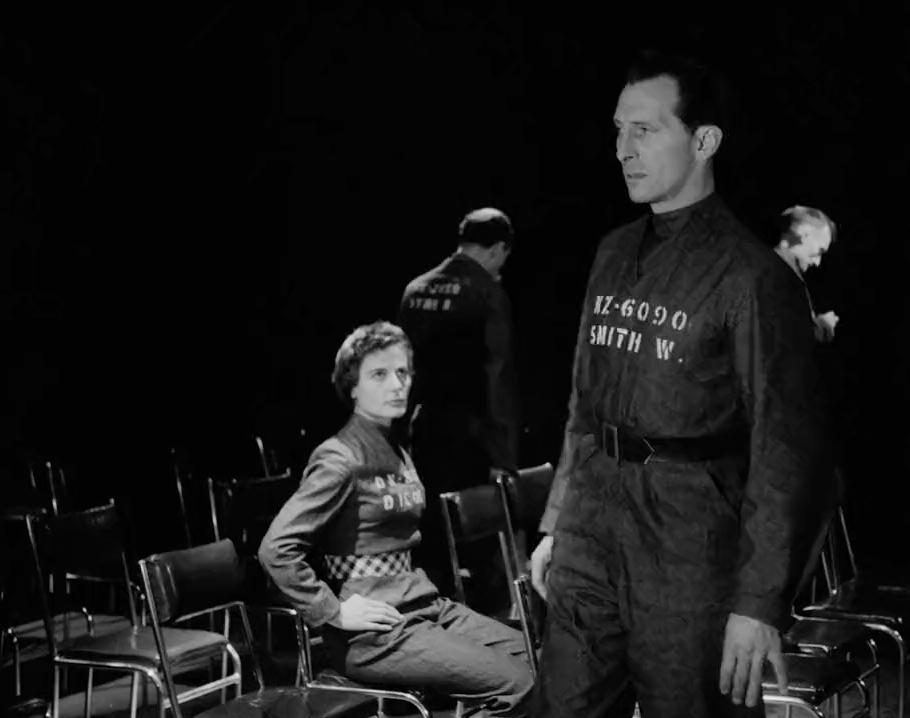
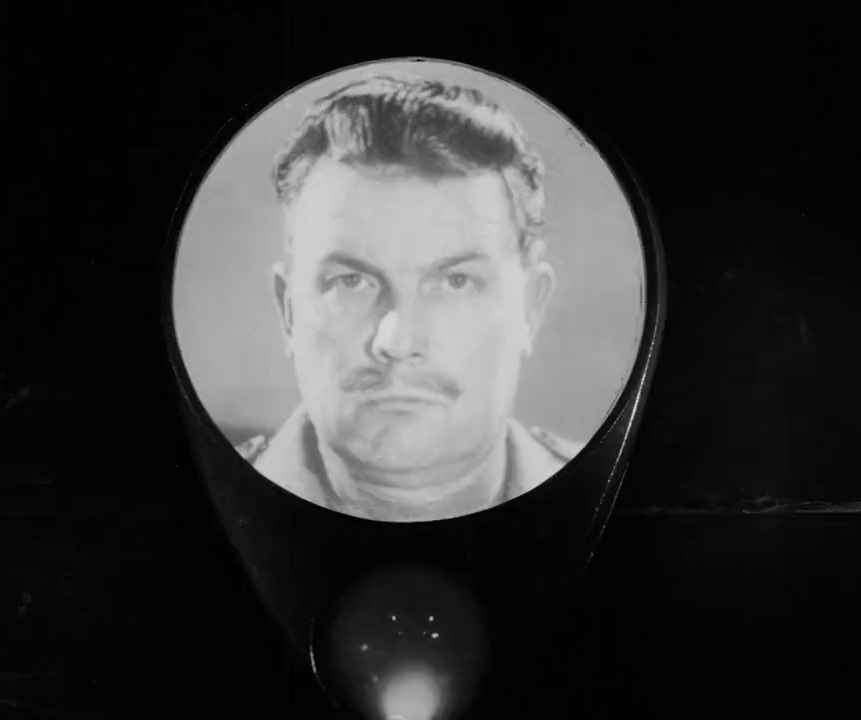
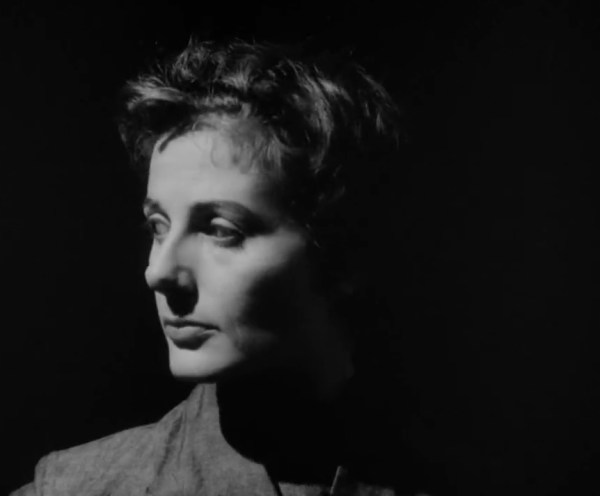
Peter Cushing (1913 – 1994) was cast by Cartier in the main role of Winston Smith. Cushing notched up an impressive series of television roles during the 1950’s, which would lead to Hammer Films approaching him towards the end of the decade to star in their adaptations of Dracula and Frankenstein, thus ensuring his celluloid immortality.

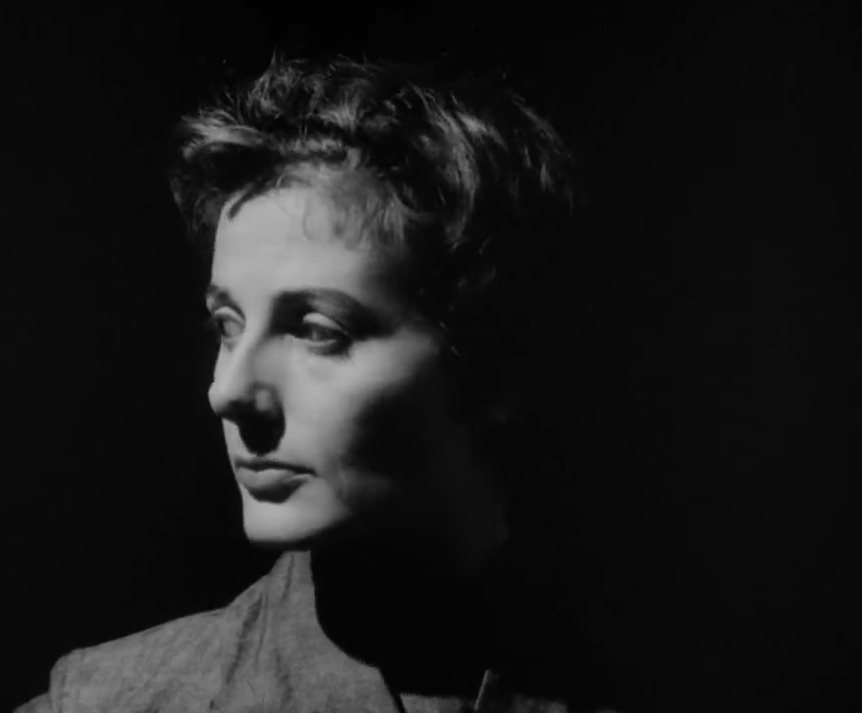
Yvonne Mitchell (who had appeared in the Kneale/Cartier Wuthering Heights) was cast as Julia, Andre Morell (later to play Professor Quatermass in Quatermass and the Pit) was O’Brien whilst the supporting cast included notable performers such as Donald Pleasance and Wilfred Brambell.
The music was composed by John Hotchkis. Cartier disliked recorded music, so the score was conduced live by Hotchkis in Lime Grove Studio E, next door to where the play was being performed. Hotchkis viewed the performance via a monitor in order to ensure that the music stayed in sync with the drama.

Prior to the first live performance on the 12th of December 1954, there was some pre-filming – initially on the 10th of November with additional filming taking place on the 18th of November. Pre-filmed inserts served several purposes – they could be used to present sequences that were impossible to realise in the studio but they were also useful for more practical reasons (allowing the actors time to move from one set to another or for them to make costume changes). The filming also helped to “open out” the drama, for example showing Winston moving through the prole sectors or Winston and Julia’s meeting in the woods.

Kneale’s adaptation remained pretty faithful to the original book, with only a few changes made (such as dropping the section where Julia, working in the PornoSec department, reads an excerpt from one of the erotic novels created by the machines).

Given the limitations of live production, this remains a striking piece of television. Cartier’s use of close-ups on Cushing (along with his pre-recorded thoughts) during the scenes where Winston is struggling to hide his “thought-crime”, allows the viewer an insight into his mind. And this is enhanced by Cushing’s fine performance – throughout the play he is never less than first rate.

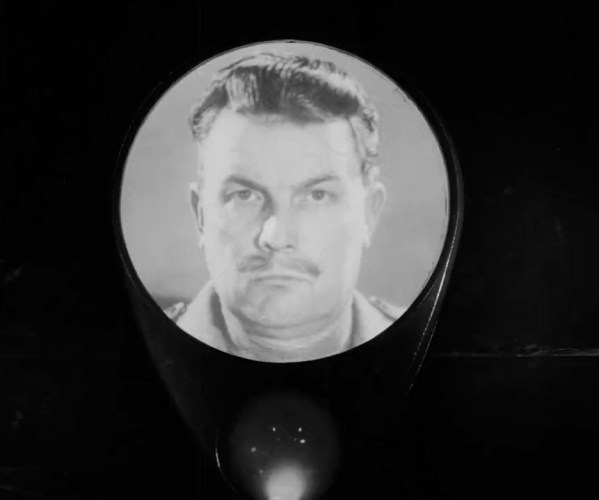
He is matched by Andre Morell who as O’Brien exudes an air of cool detachment in all of his scenes (most famously during the torture sequence) which contrasts perfectly with Winston’s doomed humanity.

Probably the most striking aspect of the production, Winston’s torture is another part of the production handled very well by Cartier. The passage of time is signified by numerous fade-ins and fade-outs which helps to create the illusion that a considerable amount of time has passed.  During these scenes, Morell is quiet, calm and reasonable, which is truly chilling.  When the broken figure of Winston, stripped of all dignity, is led away it’s a shocking moment.

Following transmission, there was something of an outcry in certain quarters. Five MPs tabled an early motion, deploring “the tendency, evident in recent British Broadcasting Corporation television programmes, notably on Sunday evenings, to pander to sexual and sadistic tastes.”

However, an amendment to this motion was tabled, in which another five MPs deplored “the tendency of honourable members to attack the courage and enterprise of the British Broadcasting Corporation in presenting plays and programmes capable of appreciation by adult minds, on Sunday evenings and other occasions.”

The play did have supporters in high places though, as the Queen and Prince Philip had watched and enjoyed the production (although this wasn’t made public at the time) and newspaper commentary – from both columnists and viewers – ultimately evened out at around 50% in favour and 50% anti.

Videotape recording was still in its infancy at this time and whilst some telerecordings had already been made of live productions they weren’t always of rebroadcastable standard. For example, the first two episodes of The Quatermass Experiment had been telerecorded, but the results were judged to be disappointing and so it appears that recordings were not made of the subsequent four episodes.

The original transmission of Nineteen Eighty-Four was not recorded so, as was usual at the time when a repeat of a play was required, it was performed again.  We are fortunate that the repeat was telerecorded, enabling us to have a record of the production.

A BD/DVD release of Nineteen Eighty-Four in the UK has been a long time coming. The story begins in 2004, when DD Video issued a press release, stating that a restoration of “exceptional quality” would shortly be issued on DVD. Then everything went quiet – reportedly the Orwell estate had exercised their veto to block the release.

Fast forward ten years to 2014, and this time a press release was issued by the BFI – as part of its Days of Fear and Wonder SF season, a restored DVD was reported to be on its way. But once again it never materialised, leaving us with the assumption that the Orwell estate had also blocked this one.

But since their copyright expired last year, they no longer have the power of veto – hence Nineteen Eighty-Four has eventually appeared on shiny disc.

Like Quatermass and the Pit, the 35mm film elements of Nineteen Eighty-Four still exist and, suitably cleaned up, they now look absolutely gorgeous (albeit with some intermittent tramlining). But it’s worth stating that the film element of the play is fairly minor, so the bulk of the production is obviously never going to look as good as the film work. The telerecording has scrubbed up pretty well though – there’s no doubt that it offers an upgrade from what’s previously been in circulation via the BBC2 and BBC4 repeats and foreign “bootleg” DVD releases.

This new restoration is enhanced by a number of special features.  Jon Dear, Toby Hadoke and Andy Murray provide an entertainingly chatty commentary track which is packed with insight. Hadoke and Murray then return for a 72 minute in-vision discussion about Nigel Kneale and his legacy.

Slightly more digestible in a single sitting is The Ministry of Truth (24 minutes) a discussion between Dick Fiddy and Olivier Wake, in which the pair dispel some of the myths which have grown up around this adaptation of Nineteen Eighty-Four.

A 25 minute excerpt from Late Night Line-Up (1965) is of special interest – reuniting key members of the cast and crew for a roughly tenth anniversary retrospective. The package is rounded off with a handful of production stills, a PDF of the script and (available in early pressings of the disc only) an illustrated booklet with several short but informative essays. There’s also one other brief bonus feature, which wasn’t listed and therefore came as a very pleasant surprise.

Given the technical limitations of live performance as well as the primitive nature of a mid 1950’s telerecording, Nineteen Eighty-Four is still an incredibly compelling piece of television, thanks to all the performers, but particularly Cushing, Morrell and Yvonne Mitchell. Its place in the development of British television drama is a key one and anyone who has the slightest interest in the history of British television should snap it up.

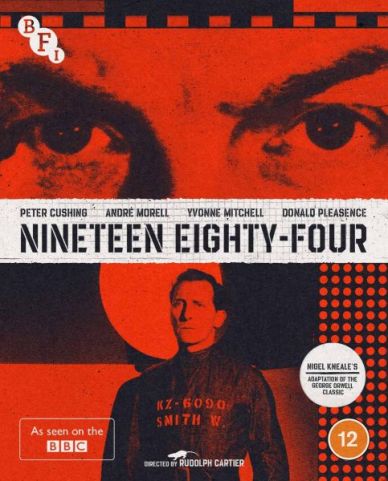
Nineteen Eighty-Four – a dual BD/DVD release – is available now from the BFI and can be ordered via this link.
Back to April 1986 (10th April 1986)

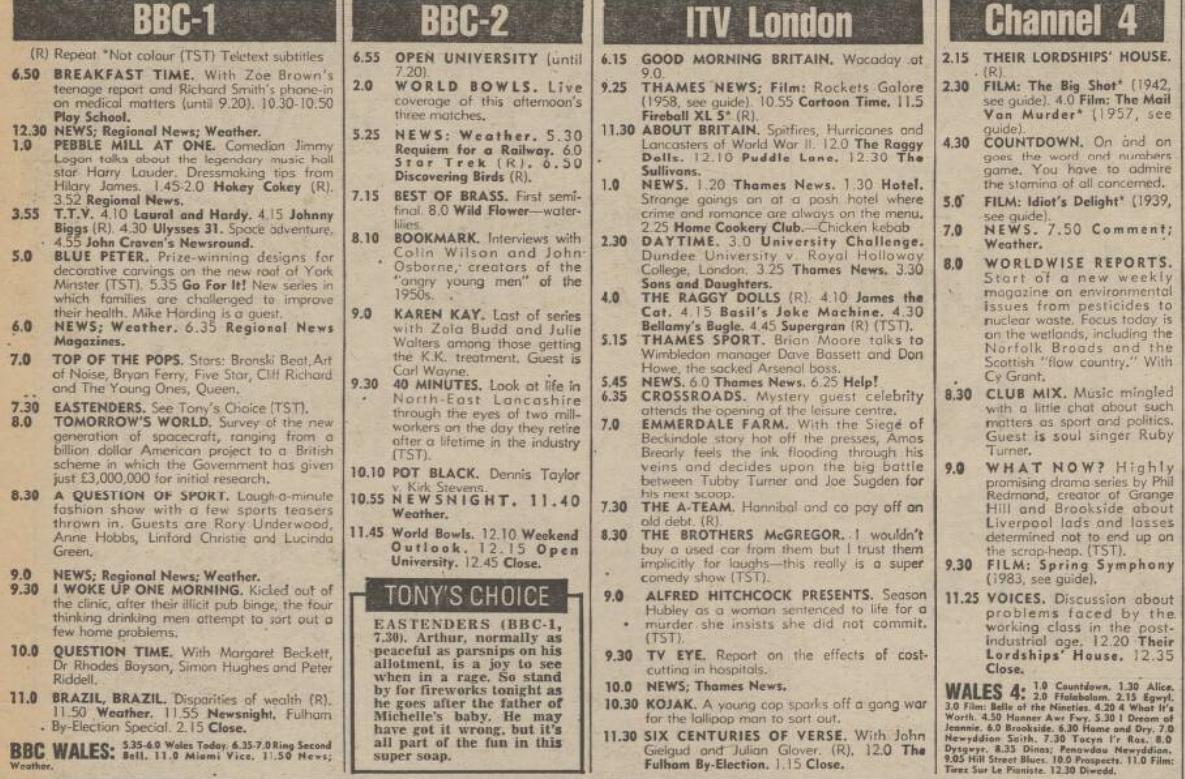
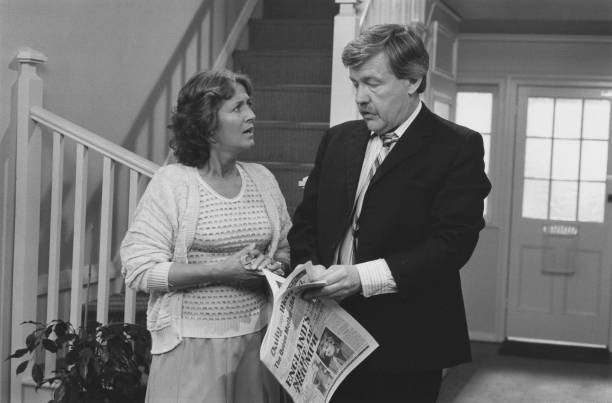
TOTP, EastEnders and I Woke Up One Morning are all tempting on BBC1. EastEnders is still in the middle of the who fathered Michelle’s baby saga, so sparks look likely to fly – especially when the normally mild-mannered Arthur finds his dander is well and truly up.

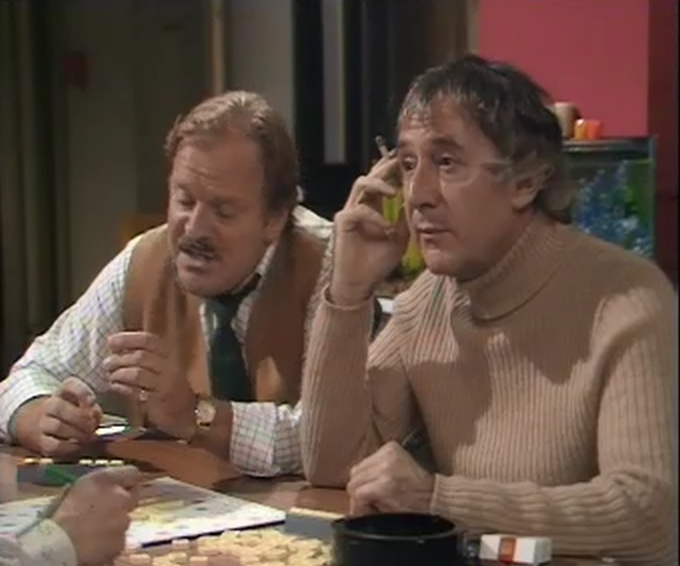
I Woke Up One Morning is one of those programmes that seems to have totally slipped from view – despite a first-rate cast and sharp scripts by Carla Lane. The series’ theme (it’s centered around the travails of a group of recovering alcoholics) doesn’t look like it promises merriment but it manages to be wryly amusing (although bleakness is never too far away).

I might catch the repeat of Star Trek on BBC2 whilst bemoaning the lack of Karen Kay’s show online. Rounding things off with an episode of Kojak on ITV that’s a pretty full evening.

Back to April 1985 (9th April 1985)

Skipping 1984 (which had fairly slim pickings) I’ve moved onto 1985 which looks a little more promising.

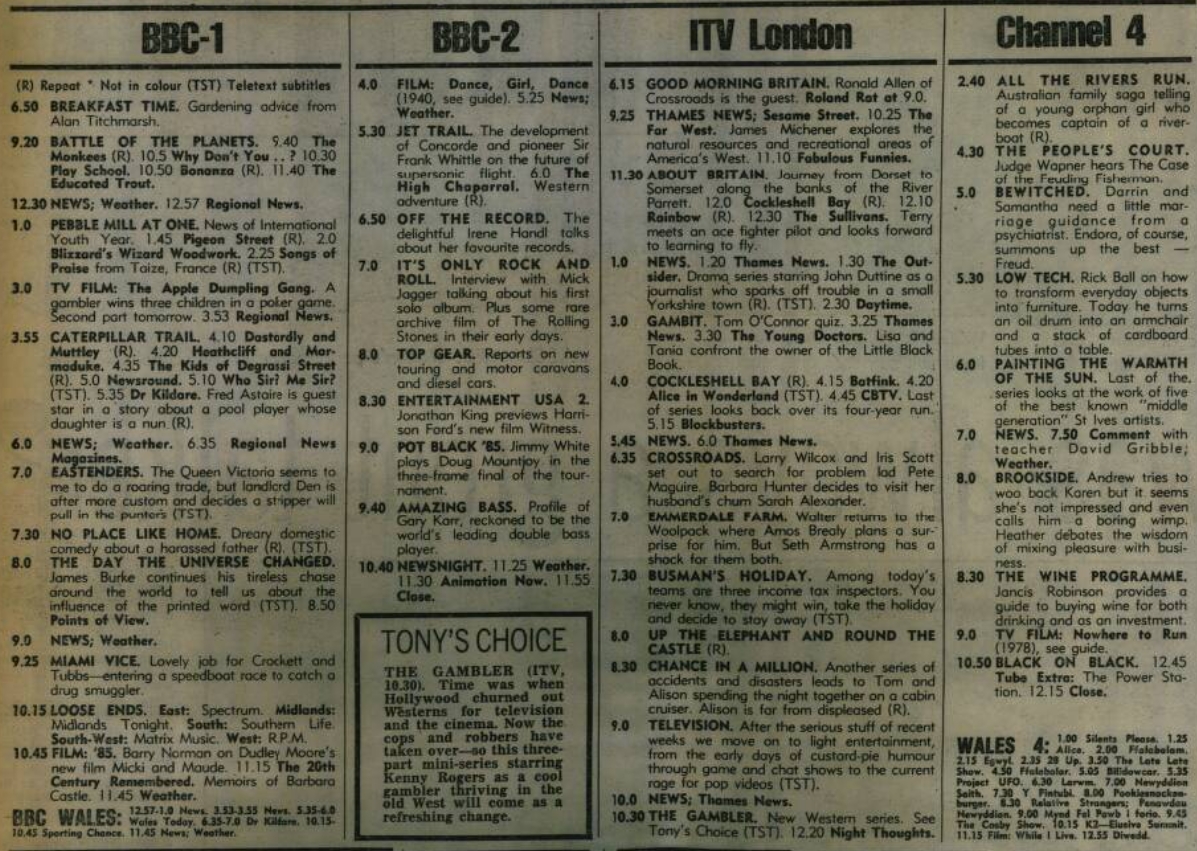
EastEnders, No Place Like Home and The Day The Universe Changed offers a pretty decent early evening lineup on BBC1.

I continue to pine about the scarcity on Pot Black online. Maybe one day there might be a stash added to the iPlayer – we can but dream. Tonight’s 1985 match isn’t available, but there’s another from the same series close at hand, so that will have to do.

There are a few possibilities on ITV, but the only thing that really appeals is the repeat of Chance in a Million.

Back to April 1983 (8th April 1983)

A repeat of Innes Book of Records on BBC2 is a must-watch (although I’m having difficulty in pinpointing which episode it is – Genome doesn’t have any records of 1983 repeats).

ITV offers a couple of possibilities – Pig in the Middle and the first part of Death of an Expert Witness. I’ve had the Roy Marsden/Adam Dalgleish boxset sitting on the shelf for a while but I haven’t made a great deal of headway with it. I’ve no problem with drama series which take their time, but these P.D. James adaptations seem too leisurely even for me (DoaEW clocks in at an overgenerous seven episodes).

Still, this debut story does feature a vey watchable guest cast (Ray Brooks, Barry Foster and Geoffrey Palmer amongst others) so they might help me to make it through to the end (and after a few episodes I might even stop staring at Marsden’s very obvious hairpiece).

I’ll round off the evening with a piece of ephemera – The Very Hot Gossip Show – which the curious can find on YouTube.

Back to April 1982 (7th April 1982)

There’s nothing sourceable for me on BBC1, whilst BBC2 offers The Ascent of Man and M*A*S*H as possibilities.

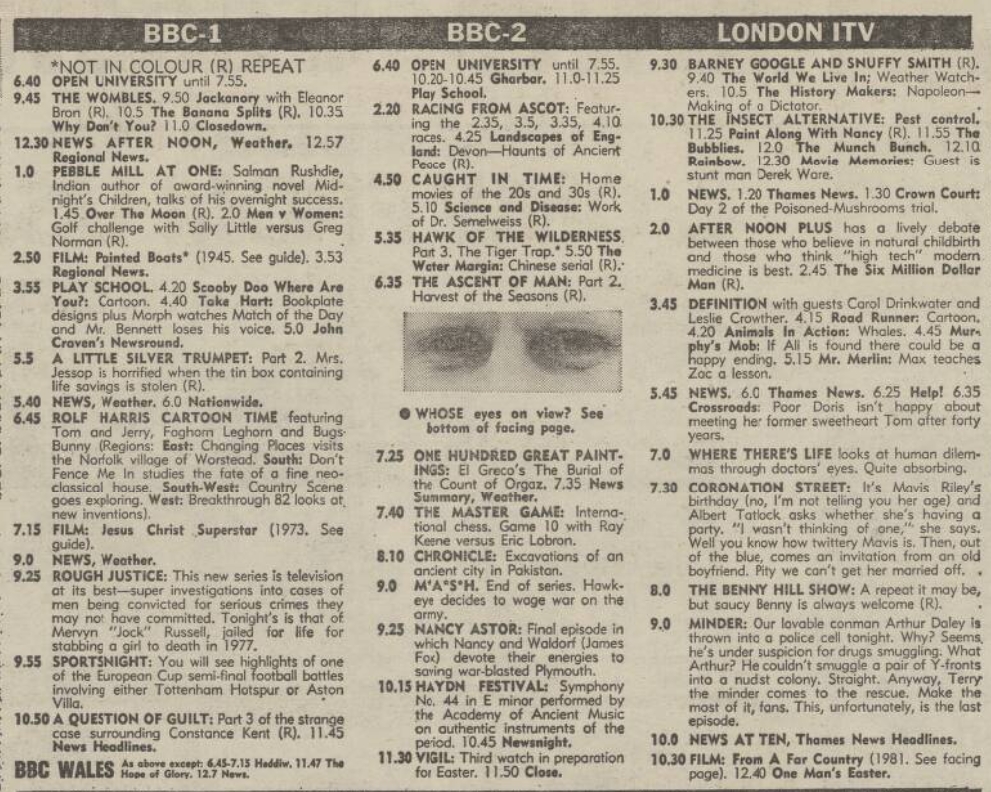
ITV’s a happier hunting ground – there’s the always reliable Coronation Street (Derek Wilton making his first appearance since April 1979) followed by a repeat of The Benny Hill Show. I’m not sure whether I’ll attempt to track down exactly which one it is, as you’d no doubt get the gist from any of his shows at this point ….

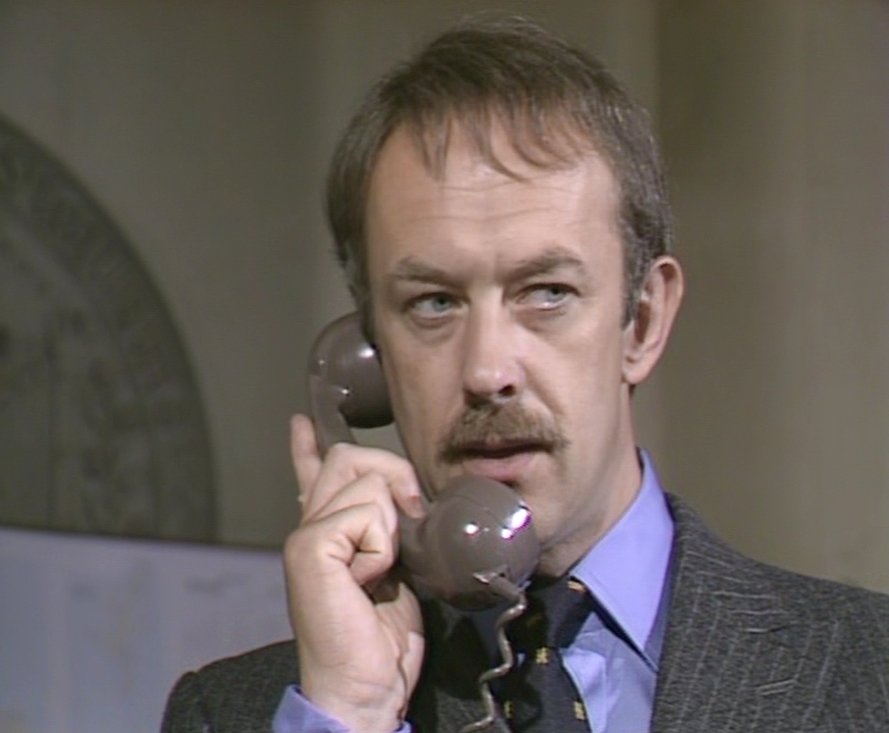
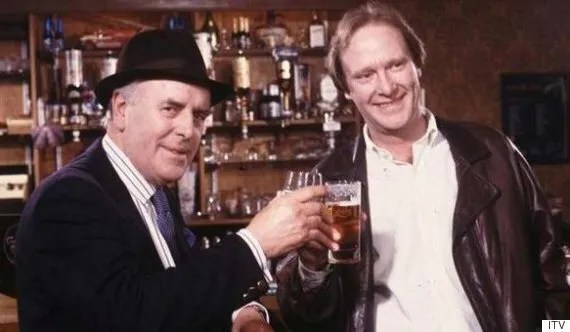
Undoubted highlight of the evening is In – the final episode of Minder‘s third series. There’s a grimmer tone to this one – Arthur’s behind bars and desperate whilst Terry, still on the outside, attempts to clear his friend’s name.

This was one of Leon Griffiths’ last scripts for the series. Several writers (Tony Hoare especially) very effectively developed and broadened Griffiths’ original concept, but there’s always something satisfying about watching something written by Minder‘s creator.

Featuring a typically strong supporting cast (Brian Cox, Frederick Jaeger, Diane Langton, Russell Hunter) it’s the sort of episode that makes me want to go back and rewatch the whole series in order.

Back to April 1981 (6th April 1981)

BBC1 is my first stop for Star Trek and The Lights of Zetar. It’s a series three episode, which is the cue for disappointment for some (although I’ve never found the later episodes to be that bad). And since this is the only one co-written by Shari (Lamb Chop) Lewis, it’s worth a look for that reason alone. According to Genome, it was previously broadcast in 1971 and 1973, so Zetar fans have had quite a wait to see it again.

Today’s Coronation Street is slightly ahead of my current rewatch, but I think I’ll dip in to see what’s going on (possible romance for Fred, according to the Daily Mirror blurb).

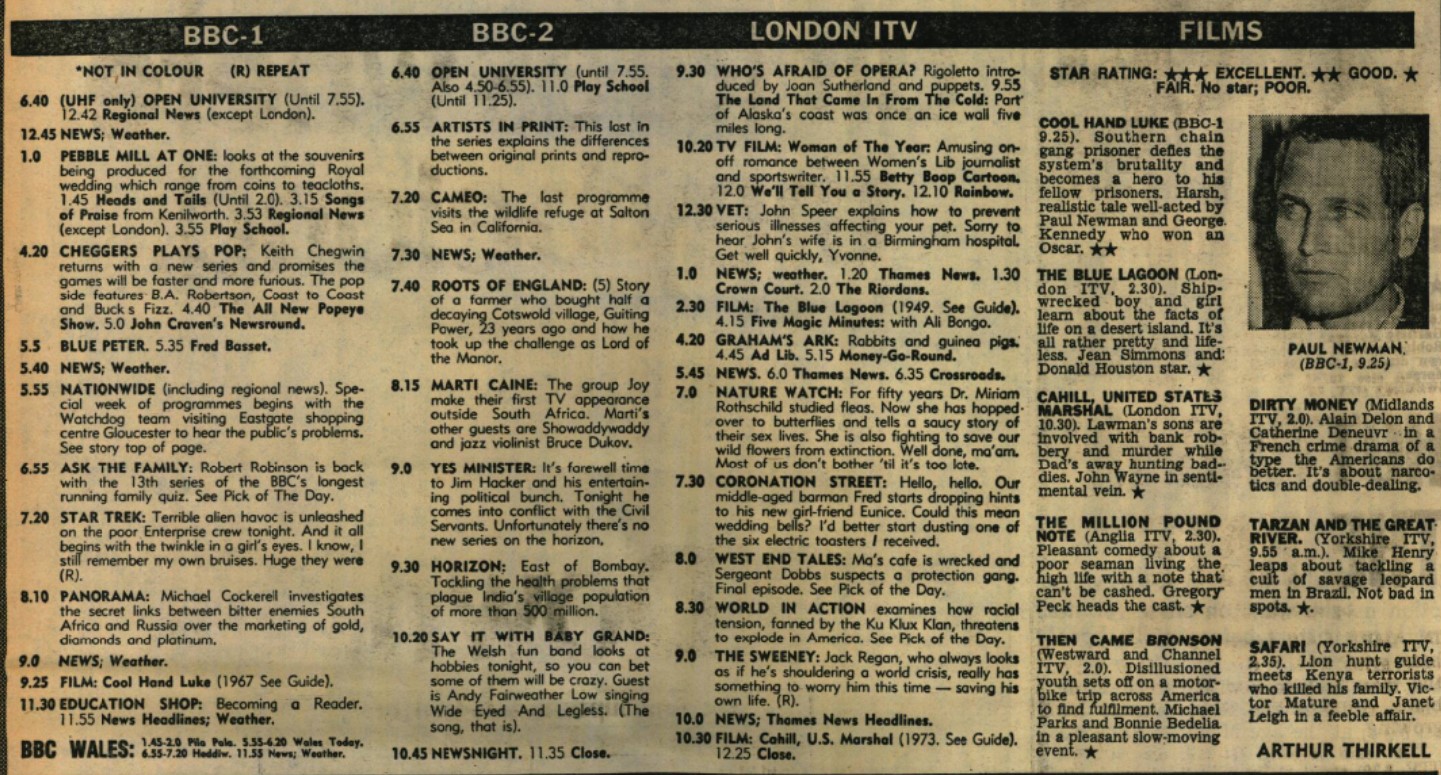
Undoubted highlight of the day is Yes Minister on BBC2 at 9.00 pm. The final episode of series two, A Question of Loyalty is as sharp today (if not more) than it’s ever been.

If there’s time, I might catch the repeat of The Sweeney over on ITV. Ranald Graham’s Nightmare is the episode getting another airing today.

Back to April 1980 (5th April 1980)

I’ll be sticking with BBC1 today. First there’s Wonder Woman, with the series three episode The Starships are Coming. An everyday tale of alien invasion (or is it?). By this point the show was beginning to run out of steam, but this is a decent one – very silly of course, but that’s the appeal of WW.

A sharp change of pace next, for All Creatures Great & Small. Big Steps and Little ‘Uns is a key episode – the final episode of series three (which at the time seemed to spell the end of the series) it ends on a sombre note as James and Siegfried, with WW2 looming, both face the prospect of leaving the security of the Dales for an unknown future. This is obviously the cue for a series of emotional farewells which the regulars play pitch-perfectly.

I’ll round off the evening with a double dose of Dallas, which sees Jock stands trial. My Dallas rewatch has somewhat run aground during the last year, so possibly dipping in here might reignite my enthusiasm to pick it up again.

Back to April 1979 (4th April 1979)

During the next seven days I’ll be sampling April’s schedules between 1979 and 1985. As before, I’m only going to choose programmes that I can actually source from my archive, so anything which looks intriguing but I don’t have will have to be sadly passed over. Let’s dive in ….

BBC1 offers a repeat of Happy Ever After which is followed by a repeat of Accident (no doubt the high preponderance of repeats was irritating certain viewers).

Accident has reached episode two, Take Your Partners. It’s an interesting series, which focuses on the ramifications of the same event (a multi vehicle accident) from different perspectives. This gives it a similar feel to Villains (LWT, 1972). There’s no shortage of good actors across the series’ eight episodes and this was one of three directed by the always reliable Douglas Camfield.

Over on ITV, there’s chicken issues in Coronation Street (a short-lived but nevertheless amusing plotline which sees an initially reluctant Hilda transformed into a doting fowl lover). Later I’ll be crossing over to BBC2 for the start of a new series – Q8. By this point, Spike Milligan’s idiosyncratic sketch show defies any sort of description – but, if you’re in the right mood, there’s usually some nuggets of gold still to be found.